
Why Bamboo Fabric Is Better for Sweat

Table of Contents
- Why Bamboo Fabric Is Better for Sweat
- How Bamboo Fabric Handles Moisture and Sweat Absorption
- Bamboo vs Organic Cotton for Sweaty Days
- Odor Resistance and Bacterial Growth
- Bamboo Fabric Pros and Cons
- Breathability, Cooling, and Temperature Regulation
- How to Care for Bamboo Clothing to Maintain Performance
- Frequently Asked Questions
Last Updated: October 20, 2026
Why Bamboo Fabric Is Better for Sweat
Bamboo fabric has earned its reputation as a solution for people who sweat through their clothes.
At Ecogoldencomfort, we've spent decades crafting garments that keep you comfortable when your body heats up. The difference between bamboo and conventional fabrics comes down to fiber structure, moisture management, and how the fabric behaves against your skin over time.
Bamboo fabric handles sweat differently than cotton or synthetic blends. It absorbs moisture quickly, releases it efficiently, and resists the odor that typically develops when sweat sits on fabric.
Below, we'll walk you through exactly how bamboo accomplishes this, how it stacks up against organic cotton, and what you need to know about its real limitations.
How Bamboo Fabric Handles Moisture and Sweat Absorption
Moisture-Wicking Properties
Bamboo fabric absorbs moisture through its fiber structure. The material contains micro-gaps that pull sweat away from your skin and distribute it across the fabric's surface.
The key difference is that bamboo doesn't just move sweat away from your body, it actually holds the moisture within the fiber itself. This keeps sweat from pooling on your skin, which is what creates that uncomfortable clammy feeling.
Cotton absorbs moisture too, but it holds onto water longer. Bamboo releases moisture more readily, which brings us to the next critical property.
Quick-Drying and Evaporation
Once bamboo absorbs sweat, it releases it faster than cotton. The fiber structure allows moisture to evaporate more efficiently, so the fabric dries quicker during and after activity. This matters if you're exercising, working in a warm environment, or simply moving between different temperatures throughout your day.
Quick-drying means you're not sitting in a damp garment for hours. Your body maintains a more stable temperature, and the fabric doesn't retain odor-causing moisture.
The ideal outcome is what bamboo delivers: moisture moves away from your skin, gets absorbed into the fiber, and then evaporates. This cycle keeps you comfortable without the heavy, clingy feeling of damp fabric.
Bamboo vs Organic Cotton for Sweaty Days
Most articles stop at bamboo versus cotton. That comparison is useful, but it answers only half the question, because the fabric you reach for on a sweaty day is usually one of four: bamboo, cotton, polyester, or merino wool. Each manages sweat through a different mechanism, and the right choice depends on your activity, climate, and how the garment is constructed.
The four fabrics, by sweat mechanism
- Bamboo (viscose/rayon or lyocell): Highly absorbent and breathable, with a smooth, cool hand feel. It takes up moisture readily and releases it at a moderate pace. Best for everyday wear, light activity, and warm, humid conditions where comfort and odor control matter more than maximum drying speed.
- Cotton: Absorbent and comfortable but holds moisture longer, so it stays damp against the skin and gives odor-causing bacteria more time to multiply. Best for low-sweat days, cooler climates, and people who prioritize durability and easy care.
- Polyester (technical performance knits): Hydrophobic, so it moves liquid sweat to the surface rather than absorbing it, and dries very fast. Excellent for high-intensity exercise and repeat wash cycles, but it can feel clingy and can harbor odor if not washed promptly.
- Merino wool: Absorbs a meaningful amount of moisture without feeling wet, regulates temperature across a wide range, and resists odor naturally. Excellent for variable conditions and multi-day wear, but it costs more and some people find it less smooth against the skin.
Side-by-side by sweat need
| Sweat need | Bamboo | Cotton | Polyester | Merino wool |
|---|---|---|---|---|
| Absorbs liquid sweat | High | High | Low (moves it instead) | Moderate to high |
| Drying speed | Moderate | Slow | Fast | Moderate |
| Odor resistance | Good | Low | Low unless treated | High |
| Breathability and cooling | High | Moderate | Varies by knit | Moderate to high |
| Feel against skin | Very soft | Soft | Can cling | Soft, sometimes ticklish |
| Best use case | Everyday wear, light activity, humid days | Low-sweat days, cooler weather | Intense training, gym | Variable conditions, travel, multi-day wear |
What this means in practice
For a commute, a warm office, or a casual weekend, bamboo's combination of absorption, breathability, and odor resistance is hard to beat, and it feels better against the skin than most synthetics. For a hard training session where you will soak the garment, a technical polyester knit will usually dry faster, and merino is the stronger pick for multi-day trips where washing is limited. Cotton remains a reasonable choice when sweat is light and durability and easy care matter most.
This is why Ecogoldencomfort blends bamboo with organic cotton: the blend keeps bamboo's moisture-wicking and softness while adding the durability and structure cotton provides. The right fabric is the one matched to your sweat pattern, not the one with the loudest marketing claim.
Odor Resistance and Bacterial Growth
Sweat itself is nearly odorless. The smell comes from bacteria on your skin and in the fabric breaking down the compounds in sweat. So when a fabric is described as odor-resistant, the real question is whether it slows bacterial growth, how it does so, and whether that effect lasts.
Two different claims, often blurred together
It helps to separate two things that marketing copy tends to merge:
- Odor control means the fabric reduces the smell that develops when sweat sits in the garment. This can come from the fiber's moisture behavior (a drier fabric gives bacteria less to work with), from the fiber's natural chemistry, or from a finish applied during manufacturing.
- Antimicrobial performance means the fabric actively inhibits microbial growth. This is a stronger claim, and in finished textiles it usually depends on a treatment rather than on the raw fiber alone.
Bamboo's odor advantage is best understood as a combination: it absorbs and releases moisture efficiently, so the fabric spends less time damp, and dampness is what bacteria need to multiply. That moisture management is the reliable, wash-after-wash part of the story.
Does the natural antimicrobial effect survive processing?
This is where honest sourcing matters. Most bamboo clothing is made from bamboo viscose/rayon or lyocell, in which the raw bamboo is broken down and regenerated into fiber. That processing changes the material substantially, so claims that finished bamboo fabric retains the plant's original antimicrobial compounds should be treated with caution. Mechanically processed bamboo, which keeps more of the plant structure, is a different case, but it is far less common in everyday apparel.
A practical rule: treat odor resistance as a performance outcome to be verified, not a guaranteed property of the word "bamboo" on the label. Look for how the garment is constructed and whether the brand explains its odor approach.
What holds up after washing
- Moisture management tends to persist because it comes from fiber and knit structure, not a coating.
- Applied antimicrobial finishes can diminish with repeated washing, depending on the treatment and care routine.
- Odor in any fabric builds fastest when a damp garment sits in a gym bag or hamper, so prompt washing matters more than the fiber alone.
Our Eco Germ Gard herbal bamboo technology is designed to support the fabric's natural freshness, pairing bamboo's moisture behavior with an herbal approach to odor control. Combined with quick drying, it helps garments stay fresher between washes.
Bamboo Fabric Pros and Cons
When Bamboo Excels
Bamboo fabric is the better choice when moisture management matters most. If you're exercising, working in a warm environment, or simply moving through your day and generating body heat, bamboo keeps you more comfortable than cotton or synthetics.
The fabric is also genuinely soft. Bamboo fibers are naturally smooth, which means the material feels luxurious against your skin without any scratchy feeling.
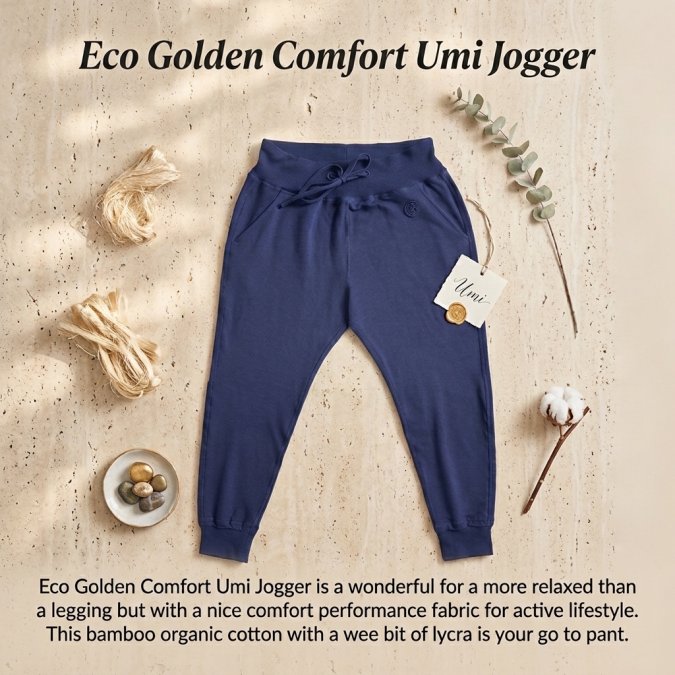
Umi Jogger | Eco Golden Comfort →
Bamboo is also an eco-conscious choice. If you care about environmental impact, bamboo is a more sustainable option than conventional cotton, though organic cotton is also a responsible choice.
The Umi Jogger and Riko Sport Pant from Ecogoldencomfort showcase these strengths. Both are crafted from bamboo and organic cotton blends that deliver the moisture-wicking benefits of bamboo while maintaining the durability cotton provides.

Realistic Limitations
Bamboo is not perfect for every situation. The fabric can wrinkle more easily than cotton, which matters if you care about a crisp appearance.
Cost is another consideration. Bamboo garments typically cost more than basic cotton clothing. However, bamboo clothing lasts longer and gets softer with each wash, which justifies the investment for many people.
Bamboo is also not ideal for cold weather. The fabric is breathable and lightweight, which is perfect for warm conditions but less suitable if you need insulation. In cooler climates, you'd want heavier cotton or wool blends.
For some activities, synthetic performance fabrics outperform bamboo. If you're doing intense athletic training and need maximum sweat management, technical synthetic fabrics designed specifically for that purpose may edge out bamboo.
Breathability, Cooling, and Temperature Regulation
Breathability is one of bamboo's defining characteristics. The fabric allows air to flow through it, which helps regulate your body temperature. When you're warm, air circulation cools you down.
This temperature regulation works because bamboo fibers are hollow and porous. Air moves through the fabric easily, and moisture evaporates efficiently. The result is that you stay cooler in warm weather and don't overheat even when you're active.
Cotton is also breathable, but bamboo typically delivers better cooling performance. The fiber structure of bamboo is more open, which means more air can pass through. This is why bamboo is often the preferred choice for summer clothing and warm-climate living.
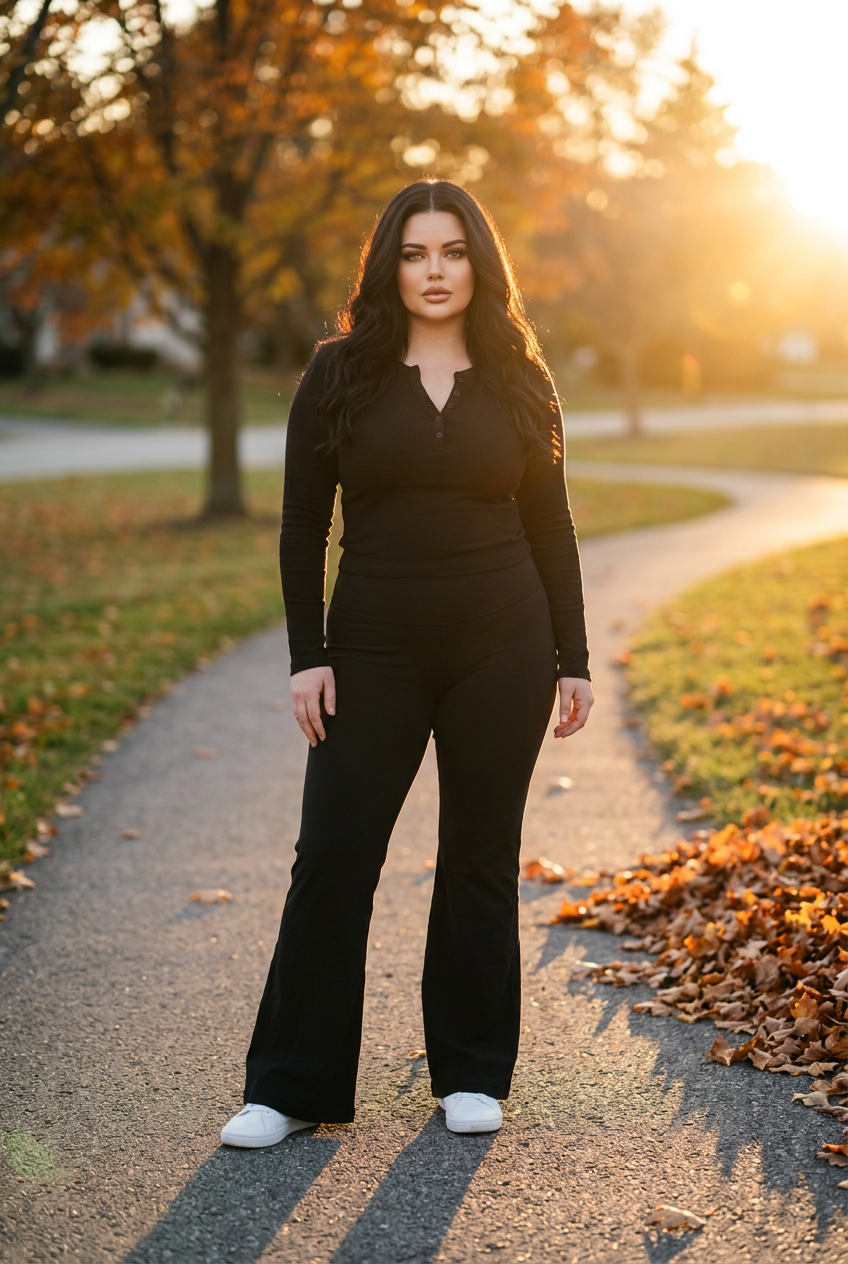
The Clare Flare from Ecogoldencomfort demonstrates this principle. The bamboo and organic cotton blend provides excellent breathability while the fabric's natural properties keep you cool and comfortable.

How to Care for Bamboo Clothing to Maintain Performance
Bamboo clothing lasts longer and maintains its properties when you care for it properly.
Wash bamboo garments in cool water with a gentle detergent.
Air-dry bamboo clothing when possible. Machine drying generates heat that can stress the fibers. Hanging your garment to dry preserves its softness and shape.
Bamboo actually improves with washing. Bamboo gets softer with each wash. This means your favorite garment becomes more comfortable the more you wear it.
Store bamboo clothing in a cool, dry place. Proper storage keeps your garments in excellent condition for years.
Sweat management is about more than staying dry. It's about comfort, confidence, and choosing garments that work with your body instead of against it.
The bamboo and organic cotton blends at Ecogoldencomfort are designed with this philosophy in mind.
Frequently Asked Questions
Does bamboo fabric actually wick sweat better than cotton?
Yes. Bamboo fabric has a fiber structure with micro-gaps that absorb and release moisture more efficiently than standard cotton. The fabric can absorb moisture quickly and disperse it across a wider surface area, allowing it to dry faster. This means sweat doesn't cling to your skin as long, reducing that clammy feeling. Organic cotton is breathable but absorbs moisture more slowly and takes longer to dry, making bamboo a better choice for active days or hot weather.
What makes bamboo fabric pros and cons worth considering for sweat management?
The main advantage is superior moisture-wicking and quick-drying compared to cotton, plus natural antimicrobial properties that resist odor-causing bacteria. Bamboo also feels softer against skin and offers excellent breathability. The trade-off is that bamboo requires gentler care, lower heat washing and drying help preserve the fabric's longevity. For women with sensitive skin or those seeking all-day freshness during activity, the benefits outweigh the care requirements.
How does bamboo fabric moisture wicking compare to synthetic materials?
Bamboo outperforms synthetics in comfort and breathability while remaining natural and hypoallergenic. Synthetic fabrics like polyester do wick sweat, but they trap heat and can feel plastic-like against skin. Bamboo blends combine moisture-wicking with the softness of natural fiber, making them ideal for sensitive skin. Many active women prefer bamboo blends because they stay fresh without the chemical feel of pure synthetics.
Can I really tell the difference in how bamboo handles sweat compared to regular cotton?
Most people notice it immediately. Bamboo fabric feels less clingy when wet, dries noticeably faster, and doesn't hold odor the way cotton can after sweating. You'll feel less damp throughout the day, and the fabric maintains its softness even after multiple washes. For remote workers, active women, and anyone spending long hours in the same clothing, the difference in comfort and freshness is tangible, not just a marketing claim.