
How to Find a Comfortable Pant Rise That Fits

The moment you sit down, bend to pick up a bag, or settle into the car, you know whether your pants truly fit. A comfortable pant rise stays with you through those ordinary movements. It does not press into your middle, pull at the back, or make you adjust your waistband before the day has even begun. For women who value clothing that supports real life, the rise is one of the most meaningful details in a pair of pants.
Why Pant Rise Matters More Than You May Think
Pant rise is the measurement from the center crotch seam up to the top of the waistband. It affects where pants sit on your body, how much coverage they offer, and how freely you can move. While it may sound like a small technical detail, the right rise can make the difference between pants you reach for often and pants that remain folded in the back of the drawer.
A rise that is too short for your body can feel restrictive when sitting. It may slide down in the back, create pressure at the abdomen, or leave you tugging at the waistband throughout the day. A rise that is too long can bunch through the front or feel as though the waistband is sitting somewhere it does not belong.
The goal is not to follow a trend. It is to find the placement that lets your body move naturally and lets you feel comfortably covered, whether you are taking a walk, enjoying lunch with friends, traveling, or relaxing at home.
What Makes a Comfortable Pant Rise?
A comfortable pant rise is personal, but it usually comes down to three things: placement, proportion, and flexibility. The waistband should rest securely without pinching. The crotch area should have enough room for walking and sitting without sagging or pulling. And the fabric should respond gently as your body changes position.
For many women, especially as bodies naturally change over time, a mid-rise or high-rise pant offers the most dependable everyday ease. These rises tend to provide a sense of coverage and support around the lower abdomen without demanding that you hold yourself in a particular way. A thoughtfully designed waistband can feel reassuring rather than confining.
That said, high-rise does not automatically mean comfortable. If the waistband is stiff, narrow, or cut too tightly, it can still dig in. Likewise, a lower rise may feel perfectly pleasant on someone with a shorter torso or a preference for a less-covered waist. Your comfort is the measure that matters.
Mid-Rise: Balanced and Familiar
Mid-rise pants typically sit between the hips and the natural waist. They are often a practical choice for everyday wear because they provide coverage without coming too high on the torso. A good mid-rise can pair easily with tucked-in or untucked tops and feel natural through errands, light activity, and time spent sitting.
For women who dislike the feeling of a waistband directly across the stomach, a mid-rise may offer a more relaxed fit. The trade-off is that a mid-rise needs enough back coverage to stay in place when you bend or sit.
High-Rise: Coverage With a Gentle Hold
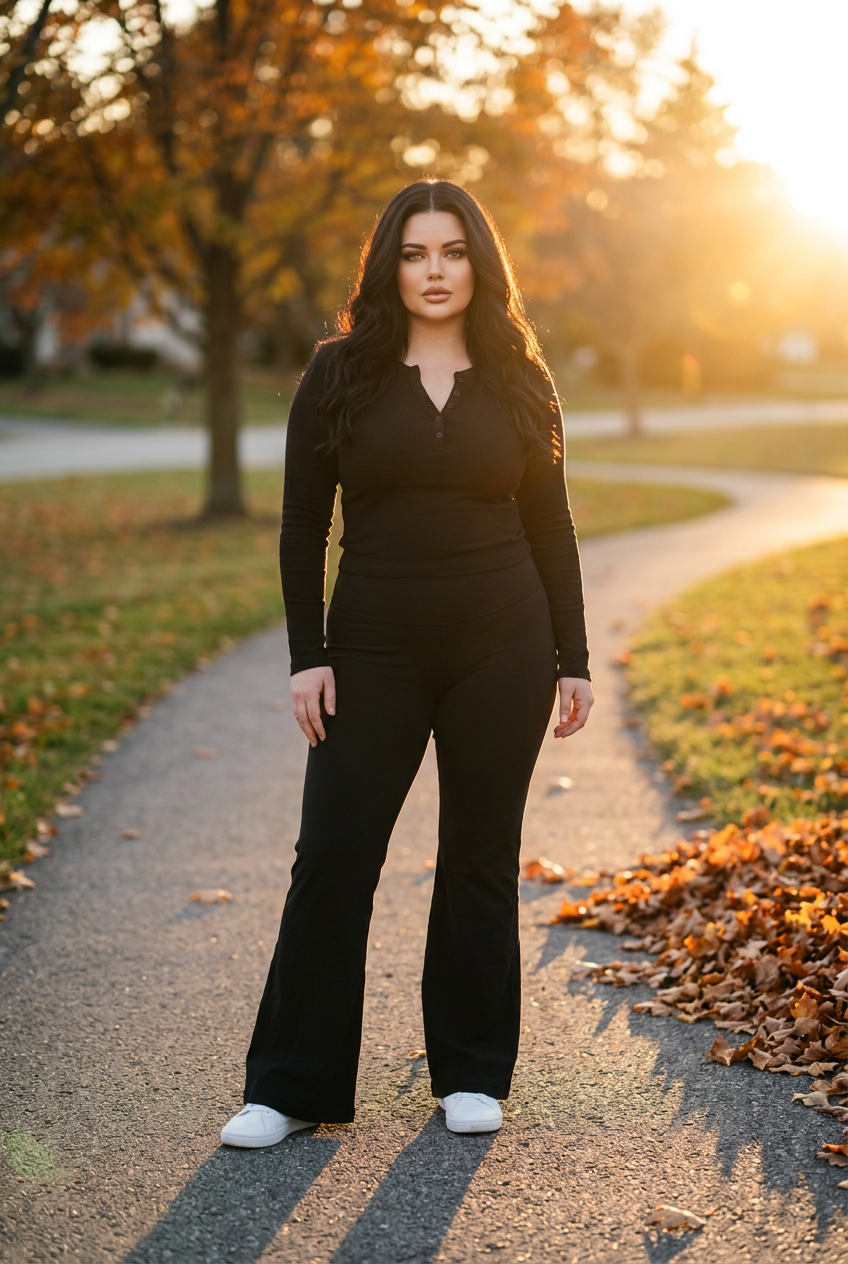
High-rise pants sit at or near the natural waist. They can create a smooth, lengthened look through the leg while offering more coverage at the middle. When made with soft, flexible fabric and a comfortable waistband, this rise can be especially welcome for travel days, walks, and long afternoons when you want to feel put together without feeling restricted.
The key is a high rise that follows the body rather than trying to reshape it. Pants should never ask you to tolerate discomfort in the name of looking polished.
Low-Rise: A Matter of Preference
Low-rise pants sit closer to the hips. Some women enjoy their easy, casual feel, particularly if they have a shorter torso or simply prefer less fabric at the waist. But for many, low-rise styles can shift during movement and offer less coverage in the back.
There is no wrong preference. Still, if you regularly find yourself pulling up your pants, a slightly higher rise may give you the steadiness you have been missing.
Check the Rise While You Move, Not Just While You Stand
A fitting-room mirror can be helpful, but standing still tells only part of the story. The best way to judge pant rise is to move as you would on an ordinary day. Sit in a chair. Take a few longer steps. Bend gently. Lift your knee as if stepping into the car. Notice whether the waistband stays in place and whether the fabric feels easy across the front and back.
Pay attention to the back rise, too. This measurement is usually longer than the front rise, and it helps provide coverage when you sit or bend. A well-designed back rise keeps you comfortable without excess fabric bunching beneath a tunic or sweater.
If pants feel fine for five minutes but you are thinking about the waistband after twenty, they are not the right fit. True comfort is quiet. It lets you turn your attention toward the people, places, and small pleasures of your day.
Fabric and Waistband Make the Difference
Rise and fabric work together. Even a well-proportioned rise can feel uncomfortable in a rigid material that does not give with movement. Soft, breathable plant-based fabrics such as bamboo blends and cotton can help pants feel lighter and kinder against the skin, especially during warmer days or when you are seated for long stretches.
A little stretch can be valuable, but more stretch is not always better. Pants that are overly elastic may lose their shape or require frequent pulling up. Look for fabric with enough recovery to return to its shape after sitting and walking, paired with a waistband that feels secure without feeling tight.
Details matter here. A wide waistband often distributes pressure more gently than a thin elastic band. A smooth interior can reduce irritation. A pull-on style may offer welcome simplicity, while pants with a structured waistband and closure can provide a more tailored appearance. The better option depends on how you want to wear the pants and what makes you feel most like yourself.
Choose Rise for Your Everyday Life
The pants you wear for a neighborhood walk may not be the same ones you choose for a dinner out, but both should respect your need for ease. Consider the routines that fill your week. If you spend time gardening, caring for grandchildren, traveling, or stretching at a morning class, prioritize a rise that stays comfortable through bending and changing positions.
If you prefer a polished silhouette for lunch dates, appointments, or casual gatherings, a high or mid-rise flare can offer a graceful line without sacrificing movement. The Clare Flare sustainable bamboo flare pant, for example, is designed around the idea that softness, flexibility, and a flattering shape can belong in the same garment.
For more active days, sport pants with a flexible waistband and breathable feel may be the pair you wear most often. The right fit should support your plans, not make you revise them.
Let Fit Be More Important Than the Number on the Tag
Sizing can vary widely between brands, fabrics, and styles. A size that fits beautifully in one pant may feel entirely different in another. Rather than focusing on the number, use your waist and hip measurements as a starting point, then consider your preferred rise and the amount of ease you enjoy.
If you are between sizes, think about where you most want room. Some women prefer more ease through the waist, while others need additional space through the hips or thighs. A gentle, adjustable, or elasticized waistband can make this decision less stressful, particularly when your comfort needs change from day to day.
It is also worth giving new pants a little time at home, moving through your normal routine before deciding whether they are right for you. Clothing should earn its place in your wardrobe by feeling dependable, not merely by looking good under bright fitting-room lights.
A well-chosen rise is a small form of daily care. When your pants sit where they should, move as you move, and feel soft against your skin, getting dressed becomes simpler. You can step into the day feeling comfortable, covered, and fully at ease in your own body.