
Which Waistbands Suit Arthritis? A Gentle Guide

When getting dressed asks more of your hands, hips, or lower back than it once did, a waistband can make all the difference. If you are wondering which waistbands suit arthritis, look for designs that are easy to grasp, gentle against the body, and secure without feeling restrictive. The right pair of pants should support your day, not begin it with a struggle.
Arthritis affects everyone differently. For some women, the challenge is sore fingers that make buttons and small fasteners frustrating. For others, stiffness in the hips, knees, or back makes bending, balancing, and pulling on fitted clothing uncomfortable. A thoughtful waistband cannot solve every concern, but it can remove one needless hurdle from your routine.
The best waistband is easy to wear and easy to forget
For many women with arthritis, a wide, soft elastic waistband is the most comfortable place to start. It stretches enough to pull on without requiring buttons, zippers, or hooks, then rests smoothly at the waist rather than pressing into it. A wider band spreads gentle support across a larger area, which often feels kinder than a thin strip of elastic that can roll, pinch, or dig in.
The feeling matters as much as the function. Choose elastic that returns to shape without being overly tight. A waistband should stay in place when you walk, sit, and reach for the top shelf, yet it should not leave deep marks or make you feel eager to change clothes by midafternoon.
Pull-on pants are especially useful on days when hand stiffness is more noticeable. With no tiny closure to pinch or align, you can dress with fewer small, repetitive movements. This simple design can preserve energy for the garden, a walk with a friend, or the errands that make up a full and satisfying day.
Why width makes a difference
A waistband that is around two inches wide or more is often a good choice because it is less likely to twist. The fabric-covered elastic should lie flat and move with you. A high-quality wide waistband may feel lightly supportive, while a narrow, exposed elastic edge can create pressure in one small area.
That said, wider is not automatically better for every body. If you have a short torso or prefer a lower rise, an extra-wide band may feel like it reaches too high. The best fit is one that rests where your body naturally feels comfortable, whether that is at the natural waist or just below it.
Which waistbands suit arthritis in the hands?
When arthritis affects the hands, simplicity is a form of care. The most practical waistbands usually have no closures at all: just a smooth pull-on design with enough stretch to guide over the hips comfortably. Look for pants with a forgiving rise and fabric that has a little natural give, so you do not have to tug hard at the waistband.
A gentle elastic band is often easier to grip than a thin, slippery edge. Some women find it helpful to choose pants with a slightly structured waistband that holds its shape instead of collapsing in the hands. This gives you more fabric to hold when dressing, particularly in the morning when joints may feel stiff.
Drawstrings can be useful for adjusting the fit, but they are not the easiest option for everyone. Tying a small bow may be difficult with painful fingers, and dangling cords can become another detail to manage. If you like the flexibility of a drawstring, choose one that is secondary to a comfortable elastic waistband, not the only thing holding the pants in place.
Buttons, snaps, hooks, and traditional zippers are not necessarily off-limits. On a good day, you may have no trouble with them. But for everyday bottoms, choosing a closure-free waistband can make your wardrobe more dependable. Comfort is not about limiting your style. It is about keeping your clothing easy to live in.
Look for softness where the waistband touches skin
A practical waistband should never feel scratchy or stiff. Soft, breathable fabrics such as bamboo-derived viscose blends and cotton can make a meaningful difference, especially if your skin is sensitive or you spend long stretches sitting, traveling, or relaxing at home.
The fabric inside the waistband deserves attention, too. Covered elastic usually feels more pleasant than exposed elastic, and smooth seams reduce the chance of rubbing. If you tend to feel warm, breathable plant-based fabrics can help you stay more comfortable through changing temperatures and active moments.
Avoid assuming that firm compression equals better support. Some women appreciate gentle, contained feeling around the middle, but very tight waistbands can be uncomfortable after meals, while sitting, or during a flare. If you have swelling, digestive sensitivity, recent surgery, or a health condition that affects circulation, ask your healthcare professional what level of compression is appropriate for you.
Choose a rise that works with your movement
Waistband comfort is closely tied to rise, meaning where the top of the pants sits on your body. Mid-rise and high-rise pull-on pants are often easier to manage than low-rise styles because they offer more fabric to hold and are less likely to slide down when you bend or sit.
A mid-rise fit may be ideal if you dislike pressure at the natural waist. It can feel relaxed and familiar, with enough coverage for everyday movement. A high-rise waistband can feel secure and polished, particularly when paired with a longer top, but it should still stretch freely when you sit down.
Try a simple sit-and-stand test when you first put on a new pair of pants. Sit in a chair for several minutes, stand up, take a few steps, and bend gently if that is comfortable for you. Notice whether the waistband stays put without pinching, folding, or requiring constant adjustment. The right fit should let you move naturally rather than remind you it is there.
Fabric and fit work together
A flexible waistband is only as helpful as the pants attached to it. If the hips or thighs are too tight, pulling the pants into place may still take effort. A relaxed leg, a soft drape, and modest stretch through the fabric can make dressing easier while creating a clean, put-together silhouette.
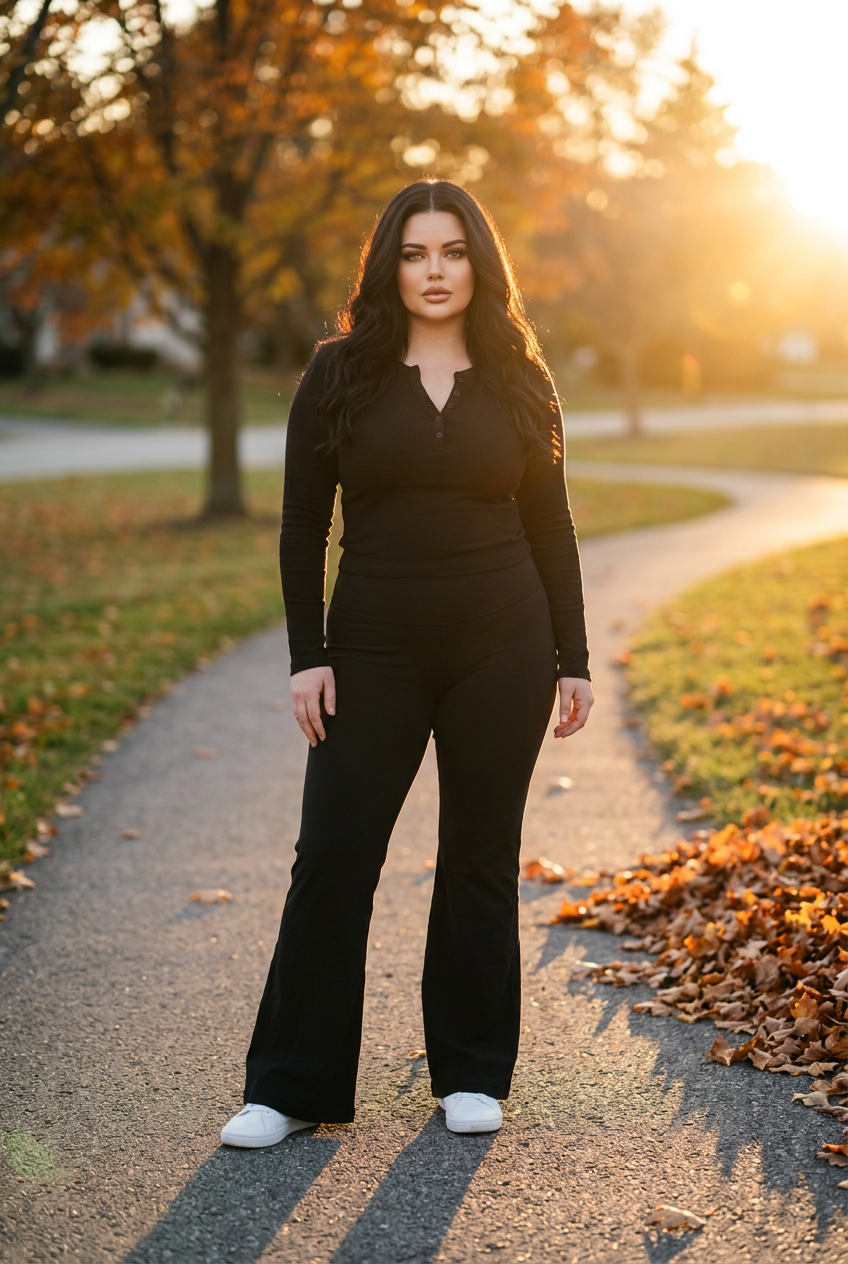
This is why many women appreciate comfortable sport pants, straight-leg styles, and gentle flare pants. They offer room to move without looking overly casual or shapeless. A flare can balance the body beautifully, while a tapered sport pant may feel especially easy for walking, travel, and lighter activity.
At Eco Golden Comfort, our approach to bottoms begins with this everyday reality: comfort should look considered, feel natural, and continue working long after you leave the house. Thoughtful bamboo and cotton-based fabrics, flexible silhouettes, and soft pull-on waistbands are designed to honor real movement and real routines.
A few signs a waistband may not be serving you
A waistband may be too restrictive if it rolls down when you sit, leaves pronounced marks, presses into the abdomen, or makes you hold your breath to fasten it. It may also be a poor match if you need to pull forcefully with sore hands or repeatedly adjust it through the day.
On the other hand, a waistband that is too loose can create its own frustration. Pants that slip may make you feel unsteady or force you to keep tugging them up, which is tiring for hands and shoulders. Aim for gentle security rather than tight control.
Sizing up is sometimes the answer, but not always. If the waist fits after sizing up while the legs become overly loose, look for a different cut or a waistband with better stretch and recovery. A good garment should fit your body as it is now, not ask your body to accommodate the garment.
Let comfort be part of your daily independence
The best waistband for arthritis is usually the one you can put on with confidence, wear for hours, and remove without effort at the end of the day. For most women, that means a smooth, wide, covered elastic waistband in a breathable pull-on pant, paired with a rise and fit that feel natural to their body.
You deserve clothing that meets you where you are - on energetic days, slower mornings, and every ordinary moment in between. Choosing softness, ease, and dependable movement is not settling for less. It is a thoughtful way to make room for more of the life you enjoy.