
Bamboo vs Organic Cotton Clothing: A Complete Comparison

Table of Contents
- Bamboo vs Organic Cotton: Quick Comparison Table
- How Bamboo and Organic Cotton Are Made
- Bamboo vs Cotton Moisture Wicking and Breathability
- Benefits of Bamboo Fiber Clothing
- Durability and Longevity: Which Lasts Longer
- How to Care for Bamboo Clothing
- Environmental Impact and Sustainability
- Which Fabric Should You Choose
- Frequently Asked Questions
Last Updated: September 25, 2026
Bamboo vs Organic Cotton: Quick Comparison Table
When choosing in the bamboo vs organic cotton debate, the decision comes down to your priorities: breathability, durability, environmental impact, and how the fabric feels against your skin. Both are plant-based materials that outperform synthetic fibers in comfort and sustainability, but they're processed differently and offer distinct advantages depending on your lifestyle.
| Feature | Bamboo | Organic Cotton |
|---|---|---|
| Moisture-wicking | Excellent | Good |
| Breathability | High | High |
| Softness | Very soft, silky | Soft, textured |
| Durability | Good (5-7 years) | Excellent (7-10 years) |
| Water consumption | Moderate to high | High |
| Processing chemicals | Chemical solvents (viscose) or mechanical | Minimal, pesticide-free |
| Hypoallergenic | Yes | Yes |
| Cost | Moderate | Moderate to higher |
| Best for | Sensitive skin, hot climates | Longevity, durability |
Ecogoldencomfort specializes in bamboo and organic cotton blends that combine the strengths of both fibers, offering women a sophisticated wardrobe foundation that prioritizes comfort without compromise.
How Bamboo and Organic Cotton Are Made
The journey from plant to finished garment reveals why these two fabrics feel and perform so differently. Understanding the manufacturing process helps explain their environmental footprint and durability characteristics.
Bamboo fabric production typically follows one of two paths. The viscose process, the most common method, dissolves bamboo pulp using chemical solvents, which are then recovered and recycled in closed-loop systems. This chemical processing creates the signature silky softness that makes bamboo clothing so luxurious against the skin. The mechanical processing method exists but remains rare due to cost and complexity; it avoids harsh solvents but produces a coarser fiber.
Organic cotton requires no chemical dissolution. The cotton plant is grown without synthetic pesticides or fertilizers, then harvested and ginned to separate fibers from seeds. The fibers are spun directly into yarn without the chemical transformation bamboo requires. This simpler processing chain means fewer chemicals enter the production stream, though organic cotton cultivation still demands substantial water resources.
The key difference: bamboo becomes soft through chemical intervention, while organic cotton's texture comes from the natural fiber structure. Neither approach is inherently superior, they're simply different pathways to different tactile results.
Bamboo vs Cotton Moisture Wicking and Breathability
Both fabrics excel at moisture-wicking, but bamboo pulls ahead in humid conditions. Bamboo's hollow fiber structure allows it to absorb moisture rapidly and release it into the air, keeping skin dry even during warm weather or physical activity. This property makes bamboo particularly valuable for women living in hot climates or those who work from home and move frequently throughout the day.
Organic cotton also wicks moisture effectively, but it absorbs rather than releases as quickly. Cotton holds moisture slightly longer, which can feel heavier in high-humidity environments. However, this same property means organic cotton maintains warmth better in cool conditions, a trade-off worth considering if you live in a temperate climate.
Breathability describes how air flows through the fabric. Both bamboo and organic cotton rank high here. Bamboo's breathability comes from its porous fiber structure, while organic cotton's comes from its looser weave potential. For all-day comfort, particularly in office environments or loungewear, both deliver. The difference emerges in active wear: bamboo pulls sweat away faster, making it the better choice for gym sessions or outdoor activity.
The American Society for Testing and Materials publishes breathability standards that both fabrics easily exceed, confirming their suitability for everyday wear across seasons.
Benefits of Bamboo Fiber Clothing
Bamboo clothing delivers a constellation of benefits that explain its rising popularity among women prioritizing wellness and comfort. The fiber's natural properties create advantages that synthetic alternatives simply cannot match.
Hypoallergenic qualities stand out immediately. Bamboo fabric is naturally gentle on sensitive skin, making it an excellent choice for women with dermatitis, eczema, or contact sensitivities. The smooth fiber structure minimizes irritation that rougher fabrics can cause. Unlike organic cotton, which still requires careful dye selection to remain hypoallergenic, bamboo's inherent gentleness means fewer women experience reactions.
Thermoregulation is another standout feature. Bamboo maintains optimal skin temperature across seasons, cooling in summer and providing insulating warmth in winter. This adaptive quality makes bamboo clothing versatile across climates, reducing the need for layering or seasonal wardrobe swaps.
Natural antimicrobial properties mean bamboo resists odor-causing bacteria better than most plant fibers. This is particularly valuable for loungewear and everyday pants worn multiple times between washes. Women report needing to launder bamboo garments less frequently than cotton equivalents, extending the time between washes without sacrificing freshness.
Softness that improves with washing creates a luxury experience. Bamboo becomes progressively softer with each wash cycle, unlike synthetic fabrics that degrade or cotton that can stiffen. This longevity of tactile comfort justifies the initial investment for women seeking garments that improve over time.
The OEKO-TEX certification standards validate bamboo fabric safety and hypoallergenic properties, confirming that certified bamboo clothing meets strict limits for harmful substances.
Durability and Longevity: Which Lasts Longer
Organic cotton wins the durability race. A well-made organic cotton garment typically lasts 7-10 years of regular wear, with tensile strength that actually improves slightly after proper laundering. The cellulose fibers in cotton become more tightly bonded with moisture exposure, creating garments that withstand repeated wear and washing without pilling or fiber degradation.
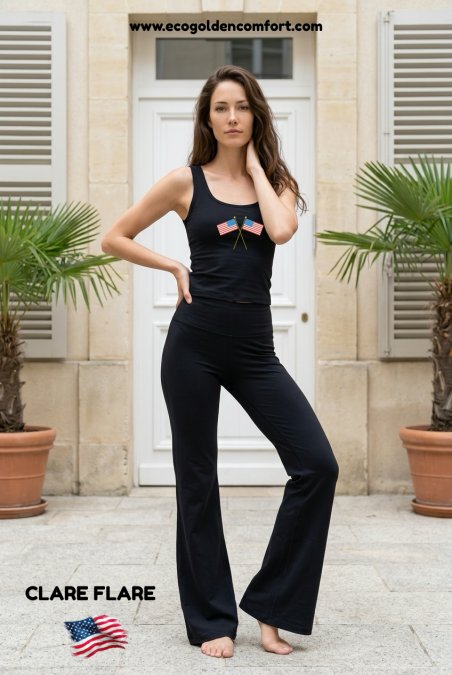
Clare Flare | Sustainable Bamboo Flare →
Bamboo clothing lasts 5-7 years under normal conditions, which is still respectable but shorter than cotton. The hollow fiber structure that makes bamboo so breathable and soft also makes it slightly more prone to fiber breakage with aggressive laundering or excessive heat. This doesn't mean bamboo falls apart, it means the garment's lifespan is moderately shorter.
However, the practical difference narrows when you consider care. Bamboo requires gentler laundering: cool water, mild detergent, and air drying preserve integrity better than the machine-wash convenience that organic cotton tolerates. Women who follow proper care protocols for bamboo clothing report longevity closer to 7 years, closing the gap.
Pilling and fabric integrity matter here. Organic cotton resists pilling better due to its fiber structure. Bamboo can pill under friction, particularly in high-stress areas like waistbands or inner thighs. This aesthetic degradation doesn't affect function but does affect perceived longevity.
For women seeking garments that last through a decade of regular wear, organic cotton is the safer choice. For women prioritizing comfort and willing to practice careful laundering, bamboo offers excellent durability within its 5-7 year window.
How to Care for Bamboo Clothing
Proper care extends bamboo garment life and preserves the softness that makes these pieces special. The benefits of bamboo fiber clothing depend partly on maintenance practices that honor the fabric's delicate structure.
Laundering fundamentals start with temperature. Use cool water (60-70°F) rather than hot, as heat accelerates fiber breakdown. Warm water is acceptable for lightly soiled garments but should be avoided for frequent washing. Cold water alone cleans effectively when paired with appropriate detergent.
Detergent selection matters significantly. Choose mild, plant-based detergents without enzymes or bleach. Enzyme-based detergents break down cellulose fibers, which is exactly what you're trying to avoid. Avoid fabric softeners, which coat the fiber and reduce breathability over time. Bamboo's natural softness needs no chemical enhancement.
Washing frequency should be minimal. Bamboo's antimicrobial properties mean garments stay fresh longer than cotton equivalents. Spot-clean visible stains and air out between wears rather than laundering after every wear. This practice alone extends garment life by 1-2 years.
Drying should always be air-based.
Environmental Impact and Sustainability
Both bamboo and organic cotton carry environmental tradeoffs. Neither is perfectly sustainable, but both outperform synthetic alternatives dramatically.
Which Fabric Should You Choose
The answer depends on your specific priorities and lifestyle. Neither fabric is universally superior; they excel in different contexts.
Choose bamboo if:
- You have sensitive skin prone to irritation or conditions like eczema
- You live in a hot, humid climate and prioritize moisture-wicking
- You prefer luxurious softness and don't mind gentle laundering
- You value antimicrobial properties and fresher-feeling garments between washes
- You're willing to practice careful care in exchange for premium comfort
- You work from home and move frequently throughout the day
Choose organic cotton if:
- You need maximum durability and expect 7-10 years of regular wear
- You prefer low-maintenance laundering and can tolerate machine washing
- You live in a temperate or cool climate where moisture absorption is less critical
- You want proven longevity backed by decades of wear history
- You prioritize environmental impact reduction through pesticide elimination
- You need garments that withstand active wear and frequent washing
Frequently Asked Questions
What is better, organic cotton or bamboo clothing?
Neither is universally better, it depends on your priorities. Bamboo offers superior softness and moisture-wicking, making it ideal for sensitive skin and hot climates. Organic cotton excels in durability and requires simpler care. Many people prefer blended fabrics that combine both fibers' strengths. For example, Ecogoldencomfort's bamboo-organic cotton blends like the Riko Sport Pant ($50) deliver breathability, softness, and lasting quality in one garment.
Is bamboo fabric more sustainable than organic cotton?
Sustainability depends on processing methods. Bamboo viscose uses chemical solvents that require proper management, though closed-loop production systems minimize waste. Organic cotton avoids synthetic pesticides but requires significant water. Bamboo grows faster and needs fewer inputs, giving it a lower carbon footprint overall. Look for certifications like GOTS or OEKO-TEX to verify genuine sustainability claims rather than greenwashing.
Does bamboo clothing require special care compared to organic cotton?
Bamboo needs slightly gentler handling. Wash in cool water with mild detergent, avoid high heat drying, and skip bleach and fabric softeners. Organic cotton tolerates warmer water and standard detergents better. Both benefit from air-drying to preserve softness and extend life. The good news: bamboo actually gets softer with every wash when cared for properly, rewarding your attention to detail.
Which fabric is better for sensitive skin?
Bamboo typically wins for sensitive skin. Its smooth fiber structure creates less friction, and the fabric naturally resists bacteria and odor-causing microbes, reducing irritation risk. Organic cotton is hypoallergenic and safe, but bamboo's silky texture and antimicrobial properties make it the preferred choice for conditions like eczema or dermatitis. Always check that your bamboo garment is free from harsh dyes and chemicals, certifications matter.