
How to Wash Bamboo Fabric Pants: Care Guide 2026

Table of Contents
- What You'll Need Before You Wash Bamboo Fabric Pants
- Step-by-Step: How to Wash Bamboo Fabric Pants
- The Best Detergent for Bamboo Fabric (and What to Avoid)
- How to Dry Bamboo Pants Without Shrinkage
- How to Prevent Clothing Pilling on Bamboo Blends
- Stain Treatment and Odor Management for Bamboo Pants
- Travel Care, Repair, and Mending for Longer Wear
- Common Mistakes That Damage Bamboo Fabric Pants
- Frequently Asked Questions
Last Updated: September 14, 2026
What You'll Need Before You Wash Bamboo Fabric Pants
Learning how to wash bamboo fabric pants starts with one thing: bamboo viscose is delicate and behaves nothing like cotton denim. It loses strength when wet, so every choice, water temperature, spin speed, decides whether your pants keep their drape or turn into a shrunken, pilled mess.
At Ecogoldencomfort, we've spent decades manufacturing bamboo and organic cotton blends, and many common care mistakes are avoidable. Proper care extends garment longevity while lowering your wardrobe's carbon footprint, keeping clothes in rotation longer is one of the most effective sustainable habits there is.
Before you load the machine, gather these basics:
- A mesh laundry bag for extra protection
- Mild, enzyme-free detergent
- Cold water access on your machine
- A drying rack or clothesline
- A clean towel for blotting stains
Step-by-Step: How to Wash Bamboo Fabric Pants
The safest method for how to wash bamboo fabric pants is a cold, gentle machine wash with mild detergent, followed by air drying, about 30 minutes of active time plus drying. Follow these four steps.
Step 1: Turn the Pants Inside Out and Check Pockets
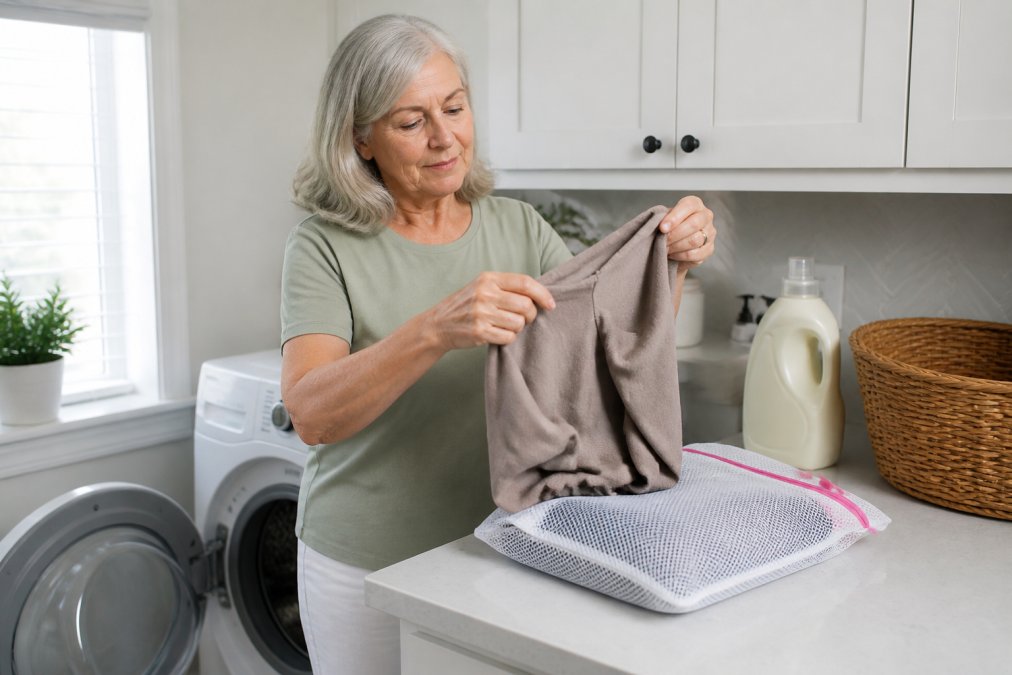
Turning garments inside out protects the outer surface from drum friction, where pilling begins. Empty pockets, close zippers, and shake out debris. This habit does more for longevity than any detergent upgrade. [Time: 2 minutes]
Step 2: Choose the Gentle Cycle and Cold Water
Set your machine to the delicate or gentle cycle with cold water. High spin speeds stress wet bamboo fibers and encourage shrinkage, so choose the lowest spin setting. If your machine has a hand-wash mode, use it. [Time: 1 minute to set]
Step 3: Measure a Mild, Enzyme-Free Detergent
Use half the detergent you would for a cotton load. Excess detergent leaves residue trapped in the fibers, dulling the fabric and irritating sensitive skin. Place pants in the mesh laundry bag before adding them to the drum. [Time: 2 minutes]
Step 4: Skip Fabric Softener and Chlorine Bleach
Fabric softener coats bamboo fibers and reduces breathability, while chlorine bleach breaks down the cellulose structure outright. Both shorten garment life. Wash similar colors together to limit bleeding. [Time: 25 minutes wash cycle]
The Best Detergent for Bamboo Fabric (and What to Avoid)
The best detergent for bamboo fabric is a mild, enzyme-free, pH-neutral formula, ideally labeled for delicates or wool. Enzymes in standard detergents break down cellulose, exactly what bamboo viscose is made of, digesting the fiber surface over time and causing thinning, pilling, and a rough hand feel.
What to avoid:
- Detergents with cellulase or protease enzymes
- Chlorine bleach and oxygen bleaches on colored bamboo
- Fabric softener and dryer sheets
- Pods dosed for full-size loads
Don't assume "gentle" on the bottle means safe, check the ingredient list. If it lists enzymes, save it for towels and cotton.
How to Dry Bamboo Pants Without Shrinkage
The short answer: air dry, always. Lay bamboo pants flat on a towel or hang them in the shade, and skip the dryer entirely. Heat is the biggest cause of shrinkage in bamboo blends, and tumble drying sets in wrinkles and static cling.
But how you air dry decides whether the pants keep their shape or stretch out at the waist and knees.
Flat dry vs. hang dry, pick based on the garment:
- Flat dry (lay on a clean towel or mesh drying rack, reshape by hand) is safest for heavier bamboo blends, wide-leg styles, and anything with lots of spandex. Gravity pulls wet, weak bamboo fibers downward, so hanging a heavy pair by the waistband can stretch the rise and leave clip bumps.
- Hang dry works well for lighter joggers and tapered cuts. Use a padded hanger or drape the pants over a drying bar at the knee rather than clipping the waistband. If you must clip, clip at the ankle cuffs.
Three drying details that prevent most shrinkage and distortion:
- Match your spin speed to your drying plan. A high-spin cycle leaves bamboo pants nearly dry but stresses fibers and sets in creases. A low-spin cycle leaves them wetter, fine if you're flat drying, just expect a longer dry time.
- Reshape while damp, not after. Smooth the waistband, straighten side seams, and gently tug hems back to length while the fabric is still damp. Once bamboo dries distorted, re-wetting is the only reliable fix.
- Dry in shade, never in direct sun. UV light fades dyes faster on bamboo viscose than on cotton, and the effect is cumulative, a few sunny afternoons won't show, but a season will (pubmed.ncbi.nlm.nih.gov).
If you must use a machine: choose tumble dry low for the shortest cycle available, and pull the pants out while still slightly damp. Finish them flat or on a hanger. Never use a timed high-heat cycle, and never leave bamboo pants in a hot dryer after the cycle ends, residual heat keeps shrinking the fiber.
Never wring bamboo pants by hand. Twisting wet bamboo fibers breaks them and is a leading cause of the pilling and thinning that shows up weeks later. Instead, lay the pants on a clean towel, roll it up with the pants inside, and press down firmly, the towel wicks out most of the water without stressing the fabric.
How to Prevent Clothing Pilling on Bamboo Blends
Preventing clothing pilling on bamboo blends comes down to reducing friction and protecting the fiber surface. Pilling happens when short fibers work loose and tangle into balls, and bamboo blends are more prone to it than cotton because the fibers are finer.
Practical habits that work:
- Always wash inside out, in a mesh laundry bag
- Separate bamboo from rough fabrics like denim and canvas
- Wash smaller loads so garments aren't rubbing together
- Skip the dryer, which tumbles fibers against each other for 40+ minutes
If pills do appear, remove them with a fabric shaver or a fine-tooth comb rather than pulling them off by hand, which pulls more fibers loose. For a deeper look at fiber care across garments, the Textile care guidance from the American Cleaning Institute is a useful reference.
Stain Treatment and Odor Management for Bamboo Pants
Treat stains immediately, and treat them cold. Blot liquid stains with a clean cloth, then flush the area with cold water from the inside of the fabric. Hot water sets protein stains and can shrink the surrounding area (cleaninginstitute.org).
For odor management, bamboo's breathability helps, but it isn't self-cleaning. Turn pants inside out and air them between wears. If odor lingers after a wash, detergent residue is likely trapping bacteria, run a second rinse cycle with no detergent. Never mask odor with fabric sprays, which add more residue.
For stain treatment, work in this order:
- Blot, don't rub
- Flush with cold water
- Apply a small amount of mild detergent directly
- Let sit 10 minutes
- Wash on the gentle cycle
Travel Care, Repair, and Mending for Longer Wear
Bamboo pants pack small, resist wrinkles, and breathe on long flights, but they're also the garment most likely to need a mid-trip wash, and hotel laundry services are rough on delicate fibers. Here's how to handle both.
Washing Bamboo Pants in a Hotel Sink
A sink wash takes about 10 minutes of active time and dries overnight if you do it right.
- Plug the sink and fill it with cool water, not hot, even if the tap runs hot fast. Add a drop or two of mild hand soap or travel detergent; more leaves residue that traps odor.
- Submerge the pants and gently knead them for about a minute. Do not scrub, wring, or rub fabric against fabric, that is how pills start.
- Drain and refill with cool water to rinse. Repeat until the water runs clear and no suds remain. Two rinses is typical.
- Press the water out, don't wring. Lay the pants on a clean bath towel, roll the towel tightly with the pants inside, and press down with your palms or kneel on it.
- Hang to dry on the shower rod, a chair back, or a travel clothesline. If the room has no airflow, drape the pants over the towel bar and aim a hair dryer on cool at them for a few minutes.
Travel packing tips that reduce the need to wash at all:
- Roll rather than fold to reduce creases and save suitcase space.
- Pack bamboo pants in a mesh bag so they can air out in the hotel room between wears.
- Air pants overnight after each wear, bamboo's moisture-wicking properties mean a single evening of hanging often resets them for another day.
- Bring a small mesh laundry bag and a travel-size bottle of mild, enzyme-free detergent. Hotel bar soap is alkaline and can leave bamboo feeling stiff.
Repair and Mending: The Step Most Care Guides Skip
A loose seam or small snag fixed early keeps a garment in rotation for years. Bamboo viscose is smooth and fine, so it snags easily and runs if a pulled thread is left alone.
What to keep in a basic mending kit:
- Matching thread in the garment's color (polyester thread outlasts cotton thread on stretchy bamboo blends)
- A fine hand-sewing needle
- Small scissors or snips
- A few spare buttons if the style has them
Fixing the three problems bamboo pants actually get:
- A pulled thread or snag. Do not cut it. Use a blunt needle or the eye end of a sewing needle to work the loop back to the inside of the fabric. If it will not go back, thread it onto a needle and tack it down on the inside with two small stitches.
- A loose seam. Turn the pants inside out and backstitch along the existing seam line, catching both fabric edges. Match the original seam allowance so the repair doesn't pucker.
- Failing waistband elastic. This is the repair that saves the garment. Open a small section of the inner waistband seam with a seam ripper, pull out the old elastic, thread new elastic through with a safety pin, overlap the ends by about an inch, and stitch them together. Close the opening with a slip stitch. A waistband repair costs a few dollars in elastic and adds years of wear.
When to stop repairing: if the fabric around a repair is thinning or widely pilled, the fiber has lost too much structure to hold a stitch. Repurpose the pants as cleaning rags or donate them rather than patching again.
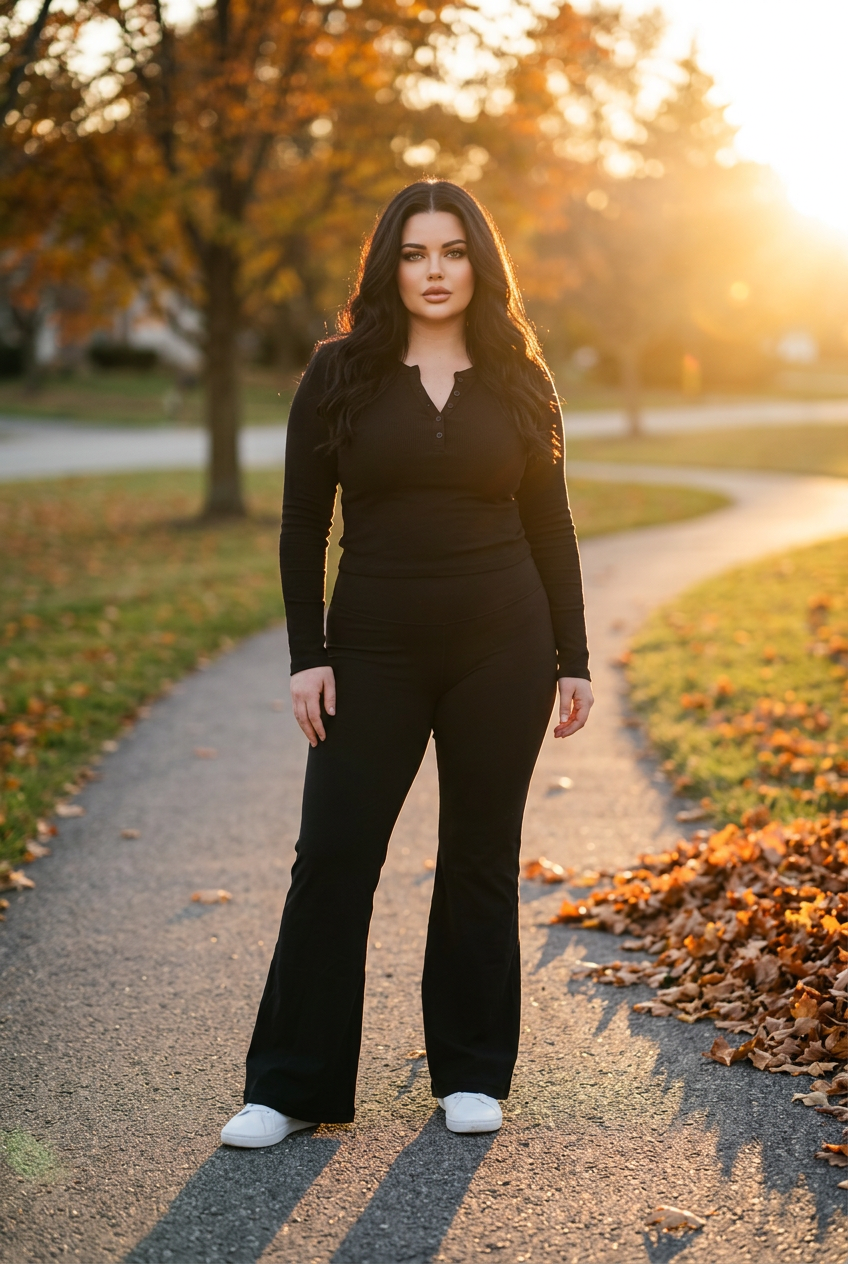
Our Riko Sport Pant and Clare Flare are built from bamboo, organic cotton, and spandex blends that hold up well to this kind of routine care, and to a sink wash on the road.


Common Mistakes That Damage Bamboo Fabric Pants
Most damage to bamboo pants traces back to a short list of habits. Here's what to stop doing, and what to do instead.
| Mistake | Why It Damages Bamboo | Fix |
|---|---|---|
| Hot water wash | Causes shrinkage and weakens wet fibers | Cold water only |
| Enzyme detergent | Breaks down cellulose fibers over time | Mild, enzyme-free formula |
| Fabric softener | Coats fibers, kills breathability | Skip it entirely |
| Tumble dry high | Shrinks and sets wrinkles | Air dry or tumble dry low |
| Overloading the drum | Friction causes pilling | Small, similar-fabric loads |
| Chlorine bleach | Destroys fiber structure | Use color-safe alternatives |
Get these six right and your bamboo pants will outlast most of what's in your closet.
Caring for bamboo fabric pants takes a few extra minutes per wash, but the payoff is a garment that stays soft, breathable, and wearable for years instead of months. At Ecogoldencomfort, we build our pants from plant-based bamboo and organic cotton blends with that longevity in mind, from the Umi Jogger to our full collection of everyday comfort wear. Every pair ships in eco-friendly packaging and is designed to move with your body through real daily life. Shop the collection and give your wardrobe the care it deserves.

Frequently Asked Questions
Does bamboo fabric shrink after washing?
Bamboo blends can shrink when exposed to heat, which is why cold water and low heat matter so much. Wash bamboo pants in cold water on a gentle cycle, then air dry or use the lowest tumble setting. High dryer temperatures are the main cause of shrinkage in bamboo and organic cotton blends, so keeping heat out of the process protects both the fit and the soft hand feel of the fabric.
Can bamboo clothing be dried in the dryer?
Yes, but only on the lowest heat setting, and air drying is better for longevity. If you must use a dryer, choose tumble dry low and remove the pants while they are still slightly damp, then hang them to finish. High heat weakens bamboo fibers over time, which leads to shrinkage, pilling, and a rougher texture. A mesh bag or drying rack keeps the shape intact without the heat risk.
Should I use fabric softener on bamboo pants?
Skip it. Fabric softener coats bamboo and organic cotton fibers with a waxy residue that reduces breathability and moisture-wicking performance, which defeats the reason you bought the pants. It also traps odors and can cause static cling. A mild, enzyme-free detergent cleans bamboo well on its own, and the fabric stays naturally soft without any added softener or dryer sheets.
How do I remove stains from bamboo fabric without harsh chemicals?
Treat stains promptly with cool water and a small amount of mild detergent, working it in gently with your fingertips. Avoid chlorine bleach, which breaks down bamboo fibers and can yellow the fabric. For oil-based marks, a drop of dish soap on the spot before washing usually lifts it. Rinse thoroughly so no detergent residue stays behind, then wash on a gentle cycle and air dry.