
How to Choose Pants for Active Older Women

A favorite pair of pants should not make you plan your day around them. They should feel easy during a morning walk, sit comfortably through lunch with friends, and still look put together when an errand turns into an afternoon out. The best pants for active older women are not defined by a number on the tag or a passing trend. They are made for real movement, changing temperatures, and the confidence that comes from feeling at home in your clothes.
For many women, the search becomes more thoughtful over time. You may want a waistband that stays in place without pressing in, fabric that does not feel stuffy, and a shape that offers polish without restriction. Those are not small preferences. They are the details that make clothing feel supportive of the life you want to lead.
What Active Really Looks Like
Being active does not have to mean training for a race or spending every day at the gym. It can mean gardening before breakfast, walking the dog, traveling to see family, meeting a friend for coffee, volunteering, stretching at home, or simply moving through a full day with energy and purpose.
That variety is exactly why one-dimensional clothing often falls short. A stiff pair of pants may look neat but feel uncomfortable after an hour of sitting. Thin leggings can be easy to move in but may not provide the coverage or refined appearance you want for everyday plans. The most useful pants meet in the middle: soft enough for movement, substantial enough for confidence, and versatile enough to wear beyond the house.
The right choice also depends on your personal routine. If you spend time outdoors, breathability and easy layering may matter most. If your days include driving, appointments, and social plans, a smooth waistband and a flattering drape can make a larger difference. There is no single “right” pant, only the pair that serves your body and your day well.
The Details That Make Pants Feel Better
Start with a waistband that respects your body
A comfortable waistband should support without squeezing. This is especially valuable on days when you are seated for long stretches, enjoying a meal out, or simply feeling a little more sensitive to pressure around the middle.
Look for wide elastic waistbands or thoughtfully designed pull-on styles that lie flat rather than roll or dig in. A drawstring can offer helpful adjustability, but it should be soft and unobtrusive, not bulky beneath a top. The goal is security without constant readjustment.
A waistband that feels gentle can also make getting dressed simpler. When clothing is easy to put on and take off, it preserves energy for the things that matter more than a struggle with buttons, zippers, or rigid denim.
Choose fabric for your climate and your comfort
Fabric changes the entire experience of wearing pants. Natural, plant-based materials such as bamboo and cotton are often appreciated for their soft hand feel and breathability. They can help you feel more comfortable through warm afternoons, indoor heating, and the natural shifts in temperature that happen over a busy day.
Bamboo-blend fabrics can offer a particularly smooth, fluid feel with enough stretch for walking, bending, and sitting. Cotton brings familiarity and everyday durability. When either is blended with a small amount of stretch fiber, the result can be a pant that moves with you while keeping its shape.
There is a trade-off worth considering. Very lightweight fabric may feel lovely in summer but offer less structure or warmth in cooler weather. A heavier knit may provide more coverage and a smoother line, though it can feel too warm in high heat. If you want one pair for frequent wear, a midweight, breathable fabric is often the most flexible choice.
Look for movement without a sporty costume feel
Stretch is useful, but more stretch is not always better. Pants with too much synthetic stretch can feel slick, clingy, or overly athletic for daily wear. A balanced fabric with gentle recovery allows you to take a longer stride, sit cross-legged, or reach for a high shelf without losing the relaxed, polished look you prefer.
Pay attention to how the fabric drapes through the hip and thigh. Pants should skim rather than grip. A little room in these areas helps prevent pulling and gives the garment a more graceful line in motion. Thoughtful construction at the rise and inseam matters, too, because comfort is often won or lost in the places you notice only after several hours of wear.
Let the silhouette work with your wardrobe
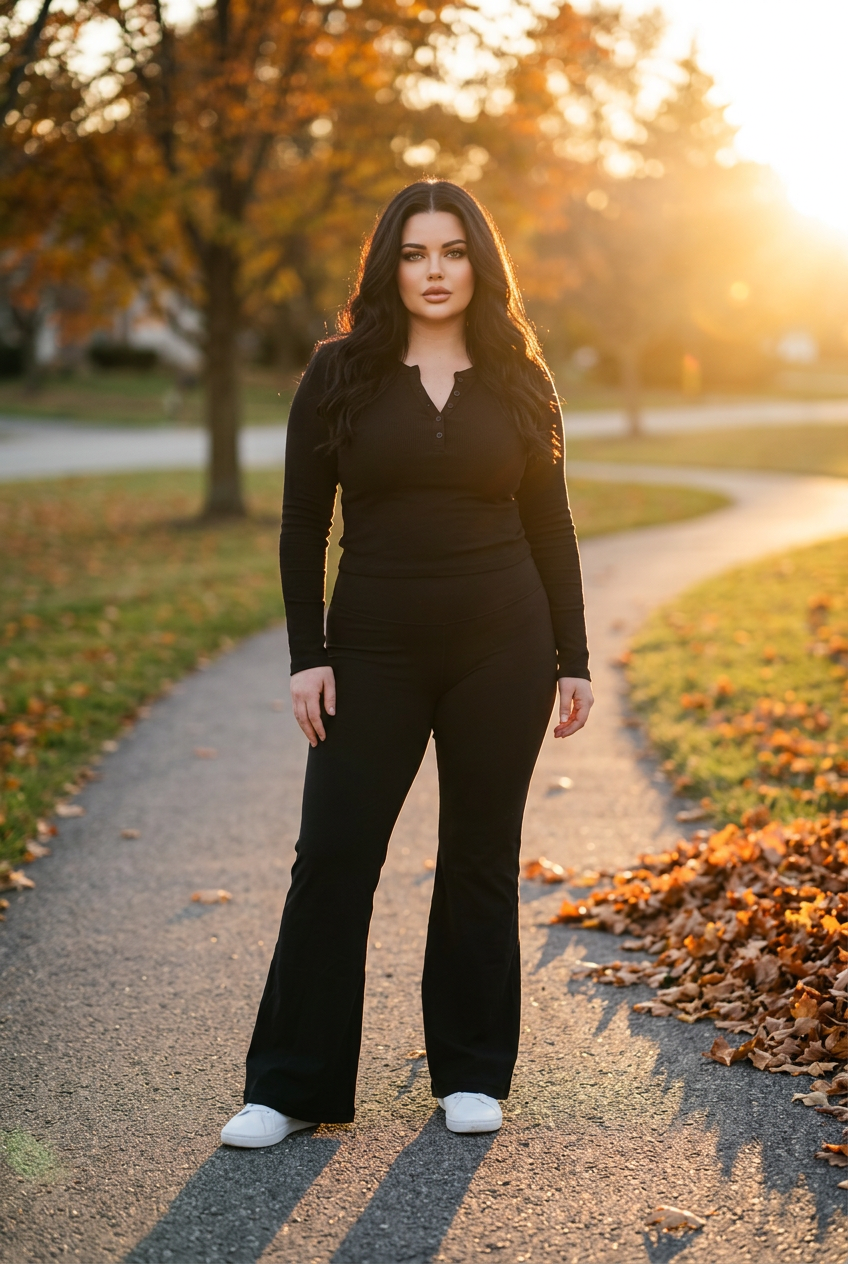
A straight leg is dependable and easy to style with sneakers, loafers, or ankle boots. A gently tapered leg can feel neat and practical, particularly if you prefer a little less fabric around the ankle. A subtle flare creates balance and movement, giving a soft, lengthened look without feeling theatrical.
The best silhouette is the one that makes you want to reach for the pants again. If you enjoy longer tops or tunics, a slim straight or tapered shape may feel balanced. If you prefer shorter sweaters, fitted tees, or a simple tucked-in blouse, a flare or relaxed straight leg can create an easy proportion. There is room for personal style at every age, and comfort does not require disappearing into shapeless clothing.
A Better Fit Check at Home
Trying on pants is not just about standing in front of a mirror. Give them a small test that resembles your actual day. Walk across the room, sit in a chair for several minutes, bend to pick something up, and lift one knee as if stepping onto a curb. Notice whether the waistband stays comfortable and whether the fabric pulls at the thighs, knees, or seat.
Then consider the view from all angles. Do the pants stay opaque when you bend? Do pockets lie flat rather than add bulk? Does the hem work with the shoes you wear most often? A full-length pant that drags on the ground will not feel practical, while a cropped length can be ideal for warm weather and walking but may leave you chilly in winter.
Size is only useful if it gives you ease. If you are between sizes, think about fabric recovery and the fit you enjoy. A structured woven fabric may feel better with a little extra room, while a soft stretch knit may be comfortable in your usual size. Measurements and garment details are helpful guides, but your own comfort is the deciding factor.
Build a Small Rotation You Will Actually Wear
Rather than filling a closet with pants that each work for one narrow occasion, consider a small rotation with distinct purposes. A dark, polished pair can carry you through appointments, dinners, and travel days. A softer everyday pant can support walks, light exercise, and time at home. A lighter neutral pair gives you an easy option for spring and summer.
Color matters because it affects how often a garment gets worn. Black, deep navy, charcoal, and earthy neutrals tend to pair easily with the tops already in your closet. They can also feel less precious, which is helpful when you want to live fully in your clothes rather than save them for a special occasion.
At Eco Golden Comfort, styles such as the Clare Flare and Riko Sport Pants are designed around this kind of daily versatility: nature-based comfort, flexible movement, and silhouettes that feel composed without feeling restrictive. A well-made pair is not meant to ask for special treatment from you. It is meant to become a trusted part of your routine.
Care Is Part of Lasting Comfort
A pant can feel beautiful on the first wear and still disappoint if it loses softness, shape, or color quickly. Following the care label, washing in cool water when appropriate, and avoiding unnecessary high heat can help plant-based fabrics maintain their feel over time. Turning darker garments inside out before washing may also help preserve their finish.
Durability is not only about thick fabric. It comes from resilient seams, a waistband that returns to shape, and material that continues to feel pleasant against the skin. Choosing fewer, better pieces can be a practical expression of care for both your wardrobe and the resources behind it.
The right pants make room for your life. They let you walk farther, linger longer, and say yes to plans without wondering when you can change clothes. That kind of comfort is not an indulgence. It is a quiet, everyday way to honor the body that carries you through it all.