
Is 100% Bamboo Fabric Available? The Truth Explained

Table of Contents
- What Is Bamboo Fabric and How It's Made
- Can You Actually Buy 100% Bamboo Fabric?
- Bamboo Fabric vs. Organic Cotton: Key Differences
- Bamboo Fabric Pros and Cons: What You Need to Know
- Bamboo Fabric Care Instructions for Longevity
- How to Verify Bamboo Fabric Content on Labels
- Conclusion: Finding the Right Bamboo Blend for Your Needs
- Frequently Asked Questions
Last Updated: October 5, 2026
What Is Bamboo Fabric and How It's Made
Bamboo fabric is a textile made from the cellulose fibers of bamboo plants, processed into yarn and woven into cloth. The confusion starts here: when people say "bamboo fabric," they're usually referring to regenerated cellulose derived from bamboo, not a direct fiber like cotton or wool. At Ecogoldencomfort, we've spent decades understanding this distinction because it fundamentally changes how the fabric performs and how sustainable it actually is.
The bamboo plant itself grows rapidly without pesticides or fertilizers, making it an incredibly renewable resource. But the journey from plant to wearable textile requires processing. This is where the story gets interesting, and where most people get misled about what "100% bamboo fabric" actually means.
There are two primary processing methods used to convert bamboo into fabric: mechanical processing and chemical processing. The method chosen determines the fabric's properties, environmental impact, and how it should be labeled.
Bamboo Rayon vs. Bamboo Viscose: Understanding the Terminology
You'll see both "bamboo rayon" and "bamboo viscose" on labels, and they're essentially the same thing. Viscose is the technical name for the regenerated cellulose fiber; rayon is the common name for any regenerated cellulose fabric. Bamboo viscose and bamboo rayon are interchangeable terms describing fabric made through the viscose process, where bamboo pulp is dissolved in chemicals and reformed into fibers.
The viscose process has been used for over a century and remains the dominant method for converting bamboo into wearable fabric. It creates that silky softness people associate with bamboo textiles. The process involves breaking down bamboo into pulp, dissolving it in sodium hydroxide and carbon disulfide, and then regenerating the cellulose into fibers through a spinning process.
When you see "100% bamboo viscose" on a label, it means the entire fabric is made from regenerated cellulose sourced from bamboo. No cotton blended in, no synthetic fibers added. But this doesn't mean the fabric is purely "bamboo" in the way someone might imagine, it's been chemically transformed into cellulose, which is the same base material used in other regenerated fabrics like lyocell or modal.
Mechanical vs. Chemical Processing Methods
The mechanical processing method sounds like the more natural option, and in some ways it is. This approach uses physical processes to break down bamboo fibers without heavy chemical involvement. However, mechanical processing is extremely difficult to scale and produces fabric that's coarser and less consistent than chemically processed alternatives. Very few commercial bamboo fabrics are made this way because the process is labor-intensive and yields limited quantities.
Chemical processing, specifically the viscose method, dominates the industry because it's efficient, produces consistent results, and creates that luxurious softness consumers expect. The trade-off is chemical use and wastewater generation, though modern facilities have improved significantly in capturing and treating these byproducts.
| Processing Method | Softness | Scalability | Chemical Use | Commercial Availability |
|---|---|---|---|---|
| Mechanical | Moderate | Low | Minimal | Very Limited |
| Chemical (Viscose) | High | High | Moderate | Widely Available |
The reality is that most "bamboo fabric" available today, including the blends we craft at Ecogoldencomfort, uses the viscose process. It's the only method that can meet global demand while maintaining the softness and breathability that make bamboo fabric appealing.
Can You Actually Buy 100% Bamboo Fabric?
Yes, you can buy fabric labeled as 100% bamboo viscose. It exists and is available from many manufacturers. But here's what matters more than the label: understanding what you're actually getting.
A fabric marked "100% bamboo viscose" contains no other fibers, no cotton, no synthetics. However, the "bamboo" part refers to the source plant, not the final fiber composition. After processing, it's regenerated cellulose, chemically identical to cellulose from other sources.
The more practical question isn't whether 100% bamboo fabric exists. It's whether 100% bamboo fabric is what you actually want to wear. Many people assume that 100% of anything natural is automatically better. That assumption breaks down with fabric.
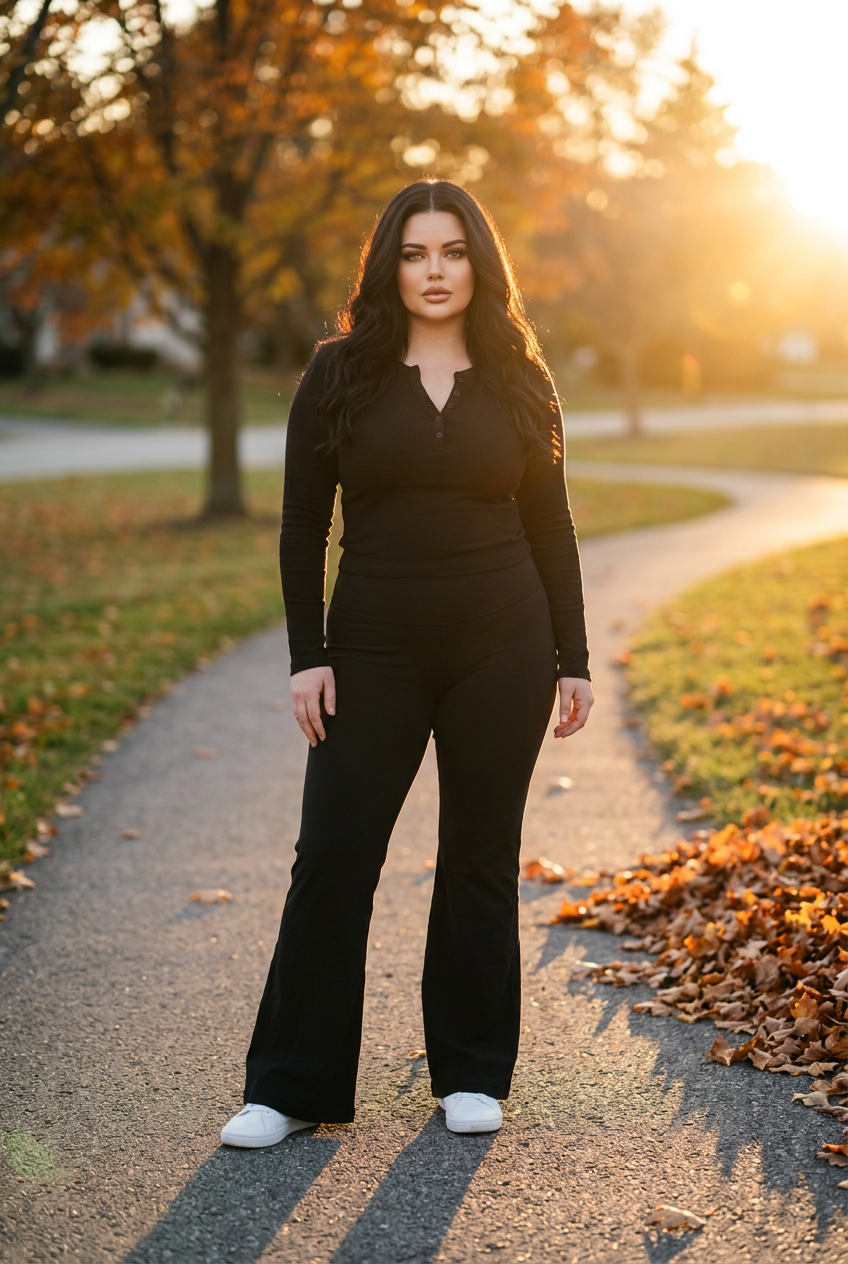
At Ecogoldencomfort, we deliberately blend bamboo with organic cotton. Our Clare Flare combines bamboo viscose with organic cotton to deliver both the silky softness of bamboo and the proven breathability and durability of cotton.

The reason pure 100% bamboo fabric isn't always the best choice comes down to durability and performance. Bamboo viscose alone can pill more easily with friction and may lose shape faster than a cotton blend.
Bamboo Fabric vs. Organic Cotton: Key Differences
Bamboo fabric and organic cotton are both plant-based, but they behave differently on your skin and in your wardrobe. Understanding these differences helps you choose the right blend for your needs.
Bamboo viscose has a silkier hand feel, that smooth, almost slippery sensation against skin. It drapes beautifully and has natural moisture-wicking properties that keep you cool. Organic cotton is slightly less silky but offers superior durability and shape retention over time.
Breathability favors cotton slightly in hot, humid conditions because of how its fiber structure moves air. Bamboo excels at moisture absorption, it can absorb up to 3 times its weight in water, which makes it excellent for sweat management during activity.
The environmental story is more nuanced than "bamboo is better." Bamboo grows faster and requires no pesticides, which is genuinely advantageous. But the viscose process uses chemicals that must be managed responsibly.
Durability and longevity tell a clear story: organic cotton wins. It resists pilling, holds its shape through repeated washing, and improves with age. Bamboo viscose, while soft, is more susceptible to pilling and may lose elasticity faster.
Bamboo Fabric Pros and Cons: What You Need to Know
Pros of bamboo fabric:
Clare Flare | Sustainable Bamboo Flare | EGC →
- Exceptionally soft and silky against skin
- Natural moisture-wicking and temperature regulation
- Hypoallergenic and gentle for sensitive skin
- Bamboo as a plant resource is highly renewable
- Drapes beautifully with an elegant aesthetic
- Naturally antimicrobial properties reduce odor
Cons of bamboo fabric:
- More prone to pilling than cotton blends
- Can lose shape or elasticity with frequent washing
- Pure bamboo viscose is less durable long-term
- Chemical processing requires responsible manufacturing
- May shrink slightly if not cared for properly
- Typically costs more than conventional fabrics
The cons aren't reasons to avoid bamboo, they're reasons to understand what you're buying. Pilling happens to many fabrics with friction; it doesn't mean the garment is failing. Shape loss is manageable with proper care. The cost premium reflects both the material quality and responsible manufacturing practices.
Bamboo Fabric Care Instructions for Longevity
How you care for bamboo fabric determines whether it stays soft and beautiful or deteriorates quickly. Bamboo viscose is more delicate than cotton, which means your washing and drying approach matters significantly.
Wash bamboo fabric in cool water (60-80°F) using a gentle cycle or hand washing. Hot water accelerates fiber breakdown and color fading. Use mild detergent, avoid bleach and optical brighteners, which damage the fibers.
Dry bamboo fabric by air drying whenever possible. Machine drying creates friction that causes pilling and weakens fibers over time. Lay flat or hang on a line in indirect sunlight.
Iron on low heat if needed, using a pressing motion rather than dragging the iron across the fabric. High heat damages bamboo fibers and can create shine marks.
These care practices extend the life of your garments significantly. Bamboo fabric that's properly cared for becomes softer with each wash, not less durable.
How to Verify Bamboo Fabric Content on Labels
Reading a fabric label correctly protects you from greenwashing and ensures you're getting what you're paying for. The fiber content section is your primary source of truth.
Look for the percentage breakdown of all fibers. A label reading "70% bamboo viscose, 30% organic cotton" tells you exactly what you're getting. The percentages must total 100%, and they're listed in descending order by weight.
Verify that the term used is either "bamboo viscose," "bamboo rayon," or "regenerated bamboo cellulose." These are accurate technical terms. Avoid labels using only "bamboo fiber" without the processing method specified, as this can be misleading about what the fabric actually is.
Check for certifications. Look for OEKO-TEX, GOTS (Global Organic Textile Standard), or FSC (Forest Stewardship Council) labels. These certifications indicate the fabric has been tested for harmful substances and the manufacturing process meets environmental standards. They're not required, but they're strong signals of responsible production.
The country of manufacture matters less than the certifications and fiber content, but it's worth noting. Reputable brands are transparent about where their garments are made and why they chose those manufacturers.
Conclusion: Finding the Right Bamboo Blend for Your Needs
Is there a 100% bamboo fabric available? Yes. Should you buy it? That depends on what matters most to you.
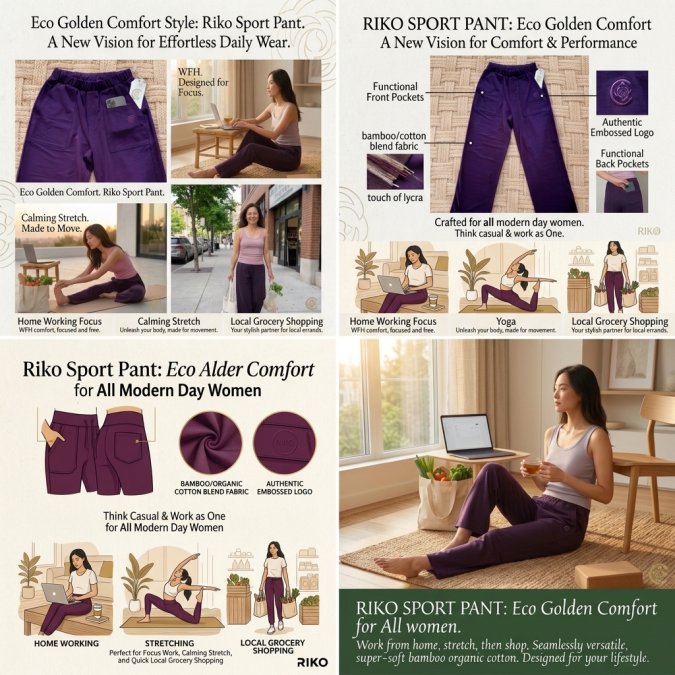
Pure bamboo viscose delivers unmatched softness and moisture-wicking. But a thoughtfully designed blend, like the bamboo and organic cotton combinations we craft at Ecogoldencomfort, delivers softness plus durability, comfort plus longevity. Our Clare Flare and Riko Sport Pant combine these fibers specifically because we've learned that the blend outperforms either fiber alone in real-world wear.

The Clare Flare features our signature bamboo-cotton blend with a cuttable hem that lets you customize your perfect fit. The Riko Sport Pant adds spandex to that same blend for stretch and recovery, with built-in UV protection and real pockets designed for actual movement.
When you're choosing between 100% bamboo and a blend, ask yourself what matters most: maximum softness in the moment, or durability and comfort that lasts for years. Ask whether the garment will move with your body through real activities, not just look good on a hanger.
Frequently Asked Questions
What is the downside of bamboo fabric?
While bamboo fabric offers softness and breathability, the main drawbacks depend on production method. Chemical processing (viscose) generates wastewater that requires proper treatment, though modern facilities minimize this. Pure 100% bamboo fabric is rare, most commercial options are blends with organic cotton or synthetic fibers for durability. Additionally, bamboo fabric can shrink 5-10% if not washed correctly, and lower-quality versions may pill with frequent wear. The fabric also requires gentler care than synthetic alternatives.
Is bamboo clothing actually 100% bamboo?
True 100% bamboo fabric exists but is uncommon in retail clothing. Most bamboo garments sold are blends combining bamboo viscose or rayon with organic cotton, spandex, or other fibers. These blends improve durability and reduce shrinkage while maintaining bamboo's softness and breathability. When shopping, check the fiber content label carefully, it should list percentages of each material. A bamboo blend like 70% bamboo and 30% organic cotton offers the best balance of comfort, sustainability, and longevity for everyday wear.
How is bamboo turned into fabric?
Bamboo becomes fabric through either mechanical or chemical processing. Chemical processing (viscose) dissolves bamboo pulp in sodium hydroxide and carbon disulfide, creating a viscous solution that's extruded into fibers. These fibers are then spun, woven, or knitted into fabric. While chemical processing generates more wastewater, modern mills treat and recycle most effluent, making it significantly less harmful than earlier industrial methods.
What does 100% bamboo fabric mean on a clothing label?
A 100% bamboo label means the fabric is entirely made from bamboo-derived fibers (bamboo rayon, viscose, or lyocell) with no other plant or synthetic fibers mixed in. However, this doesn't mean the garment contains zero synthetic materials, elastic waistbands, thread, or trim may still be polyester or nylon. For sensitive skin or eco-conscious shoppers, 100% bamboo fabric offers pure natural fiber against your skin, though blends with organic cotton often perform better for durability and reduced shrinkage. Always verify the label specifies the entire garment or just the main fabric panel.
Finding the right fabric blend means understanding not just what's in it, but why those fibers work together. When you wear bamboo blended with organic cotton, you're wearing the result of decades of manufacturing expertise combined with a genuine commitment to your comfort and our planet's health. Shop the Clare Flare or Riko Sport Pant and experience the difference that thoughtful fiber selection makes.