
Is Bamboo Fabric Actually Sustainable? The Truth

Table of Contents
- Is Bamboo Fabric Actually Sustainable? What the Research Shows
- How Bamboo Becomes Fabric: The Viscose and Lyocell Process
- Bamboo Viscose vs. Organic Cotton: Environmental Impact Compared
- Bamboo Fiber Clothing Benefits and Real-World Performance
- The Greenwashing Problem: How to Spot Truly Sustainable Bamboo
- Certifications and Standards That Actually Matter
- Making Your Choice: Bamboo Fabric in Your Wardrobe
- Frequently Asked Questions
Last Updated: October 2, 2026
Is Bamboo Fabric Actually Sustainable? What the Research Shows
Is bamboo fabric actually sustainable? The answer depends entirely on how it's manufactured, which chemicals are used, and what you're comparing it against. It's not the straightforward eco-win that marketing suggests.
Bamboo grows rapidly without pesticides and regenerates after harvesting. But the plant and the fabric are two entirely different things, what happens in the processing facility matters far more than what happens in the field.
The journey from bamboo plant to wearable fabric involves significant chemical processing. Understanding this gap between raw material and finished product is essential for anyone concerned about sustainable clothing.
How Bamboo Becomes Fabric: The Viscose and Lyocell Process
Bamboo fabric production uses two primary methods: viscose and lyocell. Both start with bamboo pulp but diverge dramatically in environmental footprint and chemical intensity.
Viscose production dissolves bamboo pulp using sodium hydroxide and carbon disulfide, then forces the paste through spinnerets to create fibers.
Viscose production consumes 7-29 gallons of water per pound of fabric. The chemical solvents, particularly carbon disulfide, are toxic to workers and ecosystems.
Lyocell production uses a closed-loop system that recycles up to 99% of solvents, dramatically reducing chemical discharge and pollution.
Open-Loop vs. Closed-Loop Manufacturing: The Sustainability Divide
Open-loop viscose facilities discharge chemical waste into ecosystems. Closed-loop lyocell facilities recycle chemicals, dramatically reducing water pollution, soil contamination, and worker safety risks.
Open-loop viscose generates "black liquor", a toxic byproduct often discharged with minimal treatment. Closed-loop systems eliminate this discharge by recovering solvents for reuse.
The manufacturing method determines whether you're buying genuinely sustainable fabric or greenwashed marketing. Lyocell is objectively more sustainable than open-loop viscose. The challenge is that product labels rarely specify the production method.
Bamboo Viscose vs. Organic Cotton: Environmental Impact Compared
This comparison reveals why the bamboo-versus-cotton debate is more complex than either side admits.
| Aspect | Bamboo Viscose | Organic Cotton |
|---|---|---|
| Water Usage | High (chemical processing) | Very High (irrigation) |
| Pesticide Requirement | None (bamboo grows pesticide-free) | None (organic certification prohibits pesticides) |
| Chemical Processing | Significant (sodium hydroxide, carbon disulfide) | Minimal (natural fiber, light processing) |
| Manufacturing Waste | High (open-loop facilities) | Low |
| Carbon Footprint | Moderate (rapid regrowth offsets some impact) | Moderate (less processing, more irrigation) |
| Biodegradability | Yes (regenerated cellulose) | Yes (natural fiber) |
| Certifications Available | OEKO-TEX, FSC (lyocell only) | GOTS, Fair Trade |
Organic cotton avoids pesticides and requires less chemical processing, but demands consistent irrigation. Bamboo grows without irrigation or pesticides, but its transformation into fabric demands heavy chemical intervention.
Neither is objectively "more sustainable." Bamboo viscose carries higher manufacturing risk; organic cotton carries higher agricultural risk. Responsibly manufactured lyocell can outperform organic cotton, while irresponsibly manufactured viscose is worse.
Bamboo Fiber Clothing Benefits and Real-World Performance
Bamboo fiber creates soft, breathable garments that wick moisture and maintain softness through washing. For people with sensitive skin, these characteristics deliver genuine comfort benefits.
Viscose-based bamboo weakens when wet and requires gentle washing. Lyocell handles regular laundering better. Bamboo blends combining bamboo with organic cotton offer better durability while retaining softness.
Ecogoldencomfort's bamboo-organic cotton blended pants combine bamboo's silky softness with organic cotton's durability, delivering superior breathability to standard cotton alone, particularly valuable for warm climates or all-day wear.

Bamboo fabric naturally maintains cooler skin contact and doesn't cling when damp, enhancing comfort in warm weather or for those who sleep hot.
The Greenwashing Problem: How to Spot Truly Sustainable Bamboo
Greenwashing in bamboo textiles is rampant. Brands market bamboo as inherently sustainable because the plant grows without pesticides, ignoring the chemical-intensive manufacturing process.
Common greenwashing tactics include emphasizing bamboo's rapid growth while omitting manufacturing details, using vague terms like "eco-friendly" without specifying viscose vs. lyocell, displaying leaf logos, and claiming "biodegradable" without explaining that all cellulose fabrics biodegrade.
Demand specific information: Is this viscose or lyocell? Does the facility use a closed-loop system? What certifications does the fabric carry? Confident brands answer directly; greenwashing brands deflect.
Extending Garment Life: The Most Overlooked Sustainability Action
While certification matters, the single most impactful sustainability decision you make is how long you wear the garment. A bamboo viscose shirt worn for five years has half the environmental impact per wear of an identical shirt worn for two years, regardless of manufacturing method.
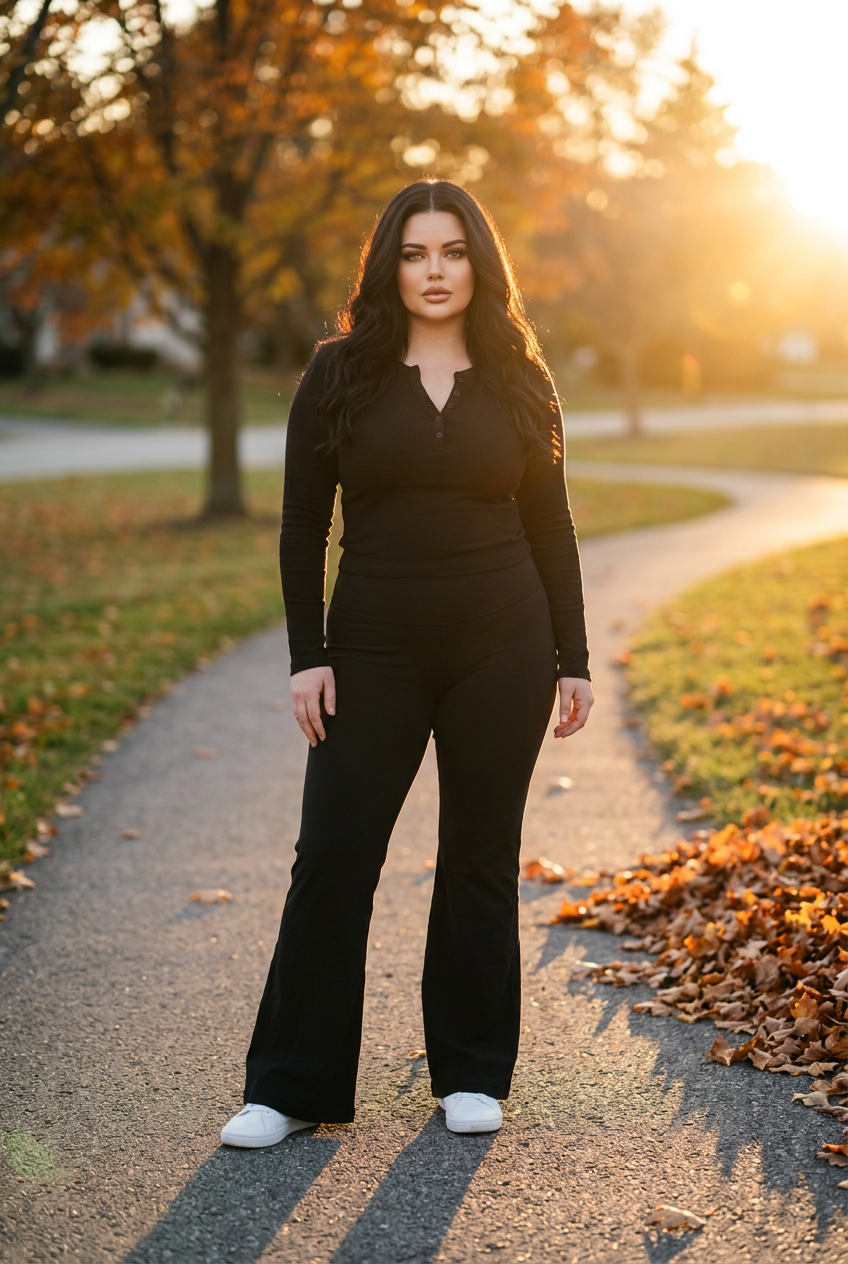
Clare Flare | Sustainable Bamboo Flare | EGC →
Bamboo viscose garments require specific care to maximize lifespan:
- Wash in cold water using a gentle cycle. Viscose fibers weaken when exposed to hot water and mechanical agitation.
- Use mild detergent and avoid bleach, which degrades the cellulose structure.
- Lay flat to dry rather than machine drying. Heat accelerates fiber breakdown.
- Minimize washing frequency. Spot-clean visible stains and air out garments between wears when possible.
- Store in a cool, dry place. Moisture and heat promote mildew and fiber degradation.
Lyocell-based bamboo fabrics and bamboo-organic cotton blends are more durable and can tolerate standard washing cycles, but the same care principles extend their lifespan further.
End-of-Life Disposal: What Actually Happens to Bamboo Fabric
Bamboo fabric is fully biodegradable, it will decompose in landfills, compost systems, and natural environments.
Landfill disposal: Bamboo fabric will eventually decompose in a landfill, but the anaerobic environment slows the process significantly.
Home composting: Bamboo fabric can be composted in a standard home compost bin or pile.
Industrial composting: Commercial composting facilities operate at higher temperatures and with more controlled conditions than home systems.
Donation and secondhand markets: The most sustainable option is extending the garment's life through donation, resale, or gifting.
Certifications and Standards That Actually Matter
Third-party certifications provide the most reliable signal of genuinely sustainable manufacturing. Not all certifications carry equal weight.
OEKO-TEX Standard 100 certifies that finished textiles are free from harmful chemicals.
FSC Certification (Forest Stewardship Council) applies to the bamboo source and ensures the plant was harvested responsibly.
GOTS (Global Organic Textile Standard) is the gold standard for organic fiber textiles.
Cradle to Cradle Certification evaluates the entire product lifecycle, including end-of-life disposal.
Making Your Choice: Bamboo Fabric in Your Wardrobe
The decision between bamboo, organic cotton, or blended fabrics depends on your specific priorities and use case.
Choose bamboo viscose if you prioritize softness and breathability above all else, and you're willing to accept higher manufacturing risk.
Choose bamboo lyocell if sustainability matters more than price. Lyocell production is genuinely more responsible, with recycled solvents and lower waste.
Choose bamboo-organic cotton blends if you want the softness and breathability of bamboo with the durability and lower processing intensity of organic cotton. Blended fabrics offer practical balance, they feel noticeably better than pure cotton while maintaining better longevity than pure bamboo viscose. Ecogoldencomfort's bamboo-organic cotton blended pants, like the Clare Flare and Riko Sport Pant, exemplify this approach. The blend delivers the breathability and natural softness you'd expect from quality bamboo while the organic cotton reinforcement ensures the garment maintains its shape and comfort through regular wear and washing.

Choose organic cotton if minimizing chemical processing is your highest priority.
The sustainability question around bamboo fabric ultimately comes down to transparency and specificity. Bamboo as a crop is genuinely sustainable.
Frequently Asked Questions
What is the downside of bamboo fabric?
Bamboo fabric's main environmental concern is its processing. Most bamboo becomes viscose rayon through open-loop manufacturing, which releases chemical solvents like sodium hydroxide and carbon disulfide into waterways. This process also consumes significant water and energy. Additionally, bamboo monoculture plantations can contribute to soil erosion and biodiversity loss. Closed-loop processing exists but costs more, making it less common. Consumers often mistake bamboo for an automatically sustainable choice when the manufacturing method determines its true environmental footprint.
Is bamboo fabric healthier than cotton?
Bamboo fabric offers specific benefits for sensitive skin. Its smooth fiber structure causes less friction, reducing irritation for those with conditions like eczema. Bamboo is naturally hypoallergenic and antimicrobial, resisting odor without chemical treatments. Organic cotton provides similar benefits without the chemical processing concerns. The real advantage of bamboo comes from its breathability and moisture-wicking properties, it absorbs and releases moisture faster than most cotton. For skin health, what matters most is whether the bamboo was processed through closed-loop methods and finished without harsh dyes or chemical coatings.
What is the difference between bamboo viscose and bamboo lyocell?
Both start as bamboo but diverge in processing. Viscose (also called rayon) uses open-loop or closed-loop chemical solvents to break down bamboo cellulose. Open-loop viscose releases up to 99% of solvents into waterways; closed-loop recovers 99% but requires more infrastructure. Lyocell uses non-toxic N-methylmorpholine oxide (NMMO) solvent in a closed-loop system, making it significantly more environmentally friendly. Lyocell fabric is also stronger and more durable. The trade-off: lyocell costs more to produce, so it's less common and more expensive. For consumers prioritizing sustainability, lyocell is the superior choice, though closed-loop viscose is acceptable if certifications verify solvent recovery.
How can I tell if bamboo fabric is actually sustainable?
Look for third-party certifications: OEKO-TEX Standard 100 verifies the fabric is free of harmful chemicals; GOTS (Global Organic Textile Standard) ensures organic farming and safe processing; FSC or PEFC certifications confirm responsible forestry. Ask brands directly about their manufacturing method, closed-loop or open-loop viscose, or lyocell. Transparent brands disclose their chemical recovery rates and water usage. Avoid vague claims like 'eco-friendly' or 'natural' without supporting certifications. Brands using Eco Germ Gard herbal bamboo technology and blending with organic cotton demonstrate commitment to both fabric performance and environmental responsibility. Durability matters too, garments that last years reduce waste compared to fast-fashion alternatives.