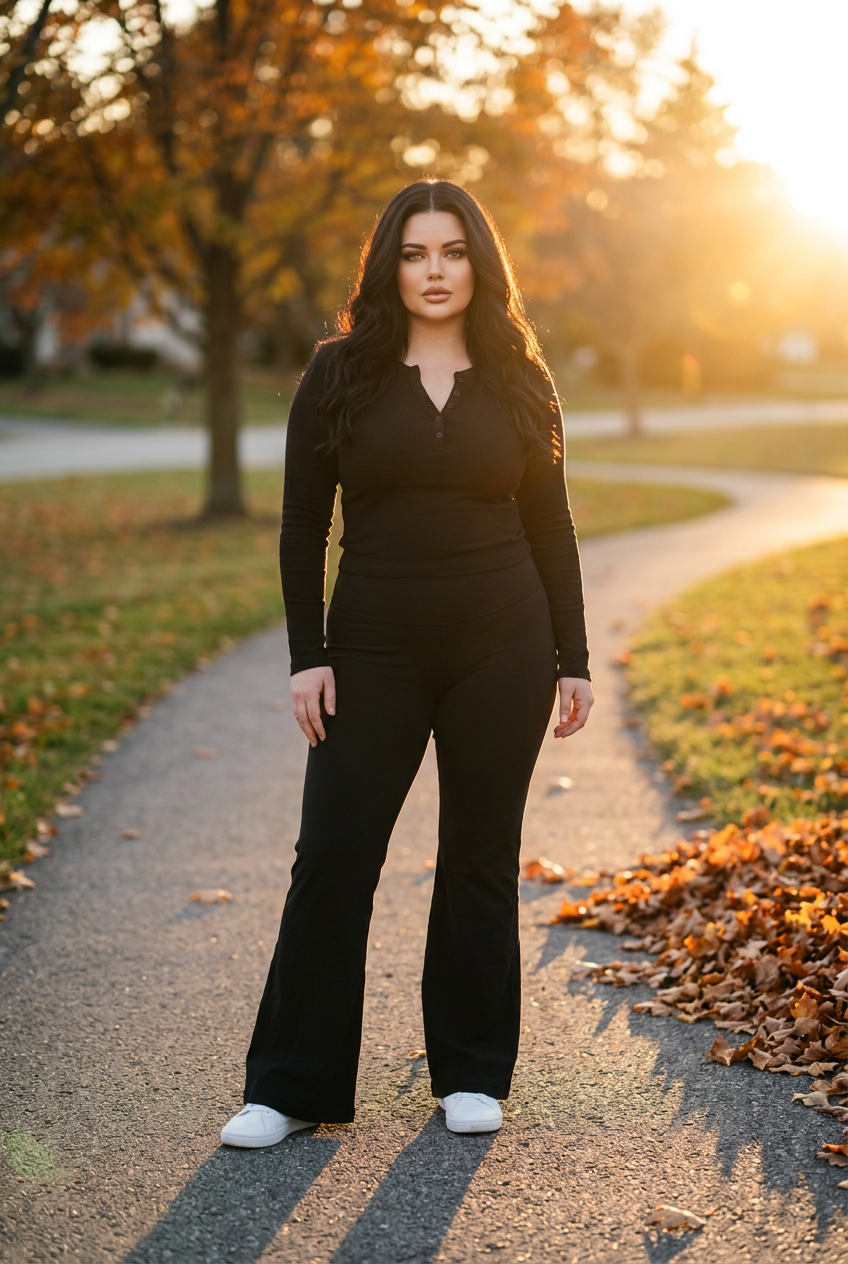

Bamboo Fabric Downsides: What You Need to Know

Table of Contents
- The Chemical Processing Reality Behind Bamboo Fabric
- Durability and Pilling: Why Bamboo Fabric Wears Faster Than Expected
- Bamboo Viscose vs Organic Cotton: Understanding the Material Differences
- Maintenance Challenges: How to Care for Bamboo Clothing
- Environmental Impact and Greenwashing Concerns
- Labeling Transparency and What Consumers Actually Get
- Is Bamboo Fabric Right for You? A Balanced Perspective
- Frequently Asked Questions
Last Updated: October 4, 2026
The Chemical Processing Reality Behind Bamboo Fabric
Bamboo fabric downsides start with how the material is actually made. Unlike organic cotton, which requires minimal processing after harvest, bamboo goes through intensive chemical treatment to transform it into wearable cloth. The most common method uses sodium hydroxide and carbon disulfide to break down the plant's cellulose structure into a viscous liquid that can be spun into fibers.
This process creates a real tension: bamboo grows fast and requires fewer pesticides than cotton, but the chemicals used in manufacturing can pose environmental and health concerns if not properly managed. The closed-loop systems that capture and recycle these chemicals work well in facilities with modern equipment, but not all manufacturers use them. This is where greenwashing becomes a legitimate concern for conscious consumers.
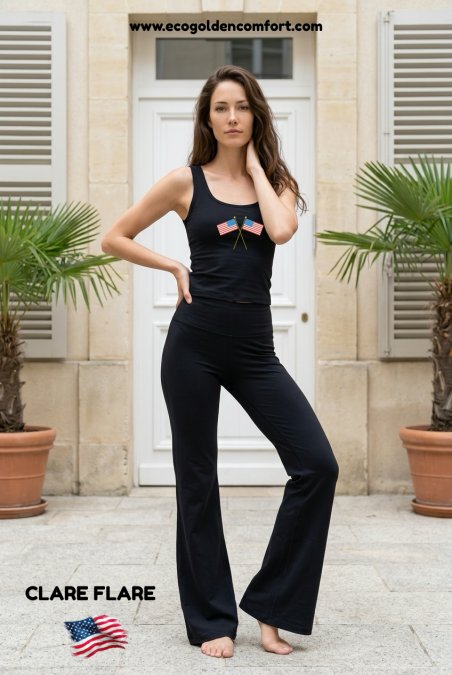
At Ecogoldencomfort, we source our bamboo from suppliers using closed-loop processing to minimize chemical waste. But understanding what happens in the production facility matters when you're evaluating any bamboo fabric downsides. The chemicals themselves aren't inherently dangerous in finished fabric, but the manufacturing process requires strict environmental controls that not every producer maintains.
The takeaway: bamboo fabric downsides related to processing are real, but they're preventable through responsible sourcing. When you buy from brands transparent about their supply chain, you're reducing exposure to poorly managed chemical discharge.
Durability and Pilling: Why Bamboo Fabric Wears Faster Than Expected
Here's what most marketing won't tell you: bamboo viscose fabric pills more easily than many people expect. The fibers are naturally smooth and slippery, which gives bamboo its signature softness. But that same characteristic makes the fibers more prone to breaking and balling up on the surface when friction occurs.
Pilling happens when shorter fibers work their way to the fabric surface and tangle together. Bamboo fabric downsides include this tendency, especially in high-friction areas like the inner thighs of pants or underarms of shirts. The fabric doesn't necessarily fall apart, but it develops a fuzzy, worn appearance faster than durable synthetics or tightly woven cotton blends.
Tensile strength is the technical term for how much stress a fabric can handle before tearing. Bamboo viscose has lower tensile strength than many alternatives, meaning it's more vulnerable to wear from repeated movement and washing. This doesn't mean bamboo pants won't last, but they require more careful handling than you might expect from a premium garment.
The durability issue compounds with moisture. When bamboo fabric gets wet, its fibers weaken temporarily. Aggressive washing or wringing can damage the material more easily than it would damage organic cotton. This is why proper care becomes critical for extending the life of bamboo clothing.
| Fabric Type | Pilling Tendency | Tensile Strength | Best Care Practice |
|---|---|---|---|
| Bamboo viscose | High | Lower | Gentle wash, air dry |
| Organic cotton | Low | Higher | Standard wash acceptable |
| Bamboo-cotton blend | Moderate | Moderate | Gentle wash, machine dry okay |
Bamboo Viscose vs Organic Cotton: Understanding the Material Differences
The comparison between bamboo viscose and organic cotton reveals why each fabric has distinct downsides. Organic cotton is a natural fiber that comes from the plant already in fiber form. It requires ginning to separate fibers from seeds, but no chemical transformation.
This fundamental difference creates performance gaps. Organic cotton breathes through its fiber structure and maintains moisture-wicking naturally. Bamboo viscose breathes differently, it absorbs moisture quickly but doesn't wick it away as efficiently. For someone working in humid conditions or exercising, organic cotton often outperforms bamboo in terms of actual sweat management.
The softness comparison favors bamboo initially. Fresh bamboo fabric feels silkier and smoother against skin. But organic cotton softens significantly with washing and wear, eventually matching or exceeding bamboo's comfort level. After 20 washes, many people find organic cotton more pleasant against their skin because it maintains its structure better while bamboo may start showing signs of wear.
Environmental impact differs too. Organic cotton avoids synthetic pesticides but requires substantial water, roughly 700 gallons per pound of fiber. Bamboo grows faster and needs less water, but the viscose process creates chemical waste that must be managed. Neither is perfect; both have trade-offs.
Bamboo fabric downsides in this comparison center on durability and long-term performance. This is why blended fabrics like those in Ecogoldencomfort's Clare Flare and Riko Sport Pant combine both materials, the blend captures bamboo's initial softness while organic cotton provides durability and moisture management.

Maintenance Challenges: How to Care for Bamboo Clothing
Bamboo fabric requires different care than standard clothing, and skipping these steps accelerates the downsides you'll experience. The primary challenge is that bamboo fibers weaken when wet, making aggressive washing risky.
Cold water is essential. Hot water softens the fibers further and can cause shrinkage. Delicate cycle washing protects the fabric from excessive agitation that causes pilling and fiber breakage. Many people wash bamboo on regular cycles and wonder why their pants degrade quickly, the care method is the culprit.
Drying matters equally. Machine drying creates friction that encourages pilling. Air drying preserves fiber integrity and extends garment life significantly. If you must use a dryer, use the lowest heat setting and remove the item promptly to minimize wrinkles and friction damage.
Pre-washing new bamboo garments is important but often overlooked. Bamboo fabric can release excess dye in the first few washes, which means dye bleeding onto other clothes is a real risk. Washing new bamboo items separately in cold water for the first 2-3 washes prevents this problem.
Storage also impacts durability. Bamboo fabric downsides include susceptibility to mildew if stored in damp environments. Keep bamboo clothing in a cool, dry closet. Avoid plastic storage containers that trap moisture; use breathable fabric bags instead.
The irony is that proper care of bamboo clothing requires more attention than many synthetic alternatives. But when you follow these steps, the fabric maintains its softness and appearance much longer than careless washing would allow.
Environmental Impact and Greenwashing Concerns
The environmental story around bamboo fabric is more complicated than marketing suggests. Bamboo grows rapidly without requiring pesticides, making it an attractive sustainable crop. But the viscose manufacturing process creates significant environmental challenges that don't appear on product labels.
Clare Flare | Sustainable Bamboo Flare | EGC →
Chemical discharge from viscose production affects waterways and ecosystems if facilities lack proper treatment systems. Sodium hydroxide and carbon disulfide are toxic in high concentrations. Closed-loop systems capture and recycle these chemicals, minimizing environmental release, but they're expensive to install and maintain. Many manufacturers in lower-cost regions skip this investment.
According to the Sustainable Apparel Coalition's environmental impact research, viscose production ranks among the most chemically intensive textile manufacturing processes. This doesn't mean bamboo fabric is inherently unsustainable, it means the manufacturing location and method matter enormously.
Greenwashing happens when brands emphasize bamboo's fast growth and low pesticide use while downplaying the chemical-intensive viscose process. A truly sustainable bamboo product requires transparency about manufacturing practices, not just the raw material source. Brands that specify closed-loop systems, chemical recycling rates, and facility certifications are more trustworthy than those that simply claim "eco-friendly bamboo."
The biodegradability claim deserves scrutiny too. Yes, bamboo fabric biodegrades faster than synthetic materials. But the dyes and chemical treatments applied during manufacturing may persist in the environment. Bamboo fabric downsides include this gap between the material's natural biodegradability and the actual end-of-life impact of the finished garment with all its treatments applied.
Labeling Transparency and What Consumers Actually Get
Here's where bamboo fabric downsides become a consumer protection issue: labeling standards don't require manufacturers to distinguish between different types of bamboo fabric. A garment labeled simply "bamboo" could be viscose (chemically processed), lyocell (less chemical-intensive), or even bamboo linen (a different process entirely). Each has different environmental and durability profiles, but the label tells you none of this.
The Federal Trade Commission allows the term "bamboo fabric" for viscose made from bamboo, even though viscose is technically a semi-synthetic fiber, not a natural one. This regulatory gap creates consumer confusion. You might buy what you think is a natural fiber and actually receive a chemically processed semi-synthetic material.
Lyocell is a cleaner alternative to viscose, it uses non-toxic solvents and recovers 99% of chemicals in closed-loop systems. But lyocell costs more to produce, so fewer brands use it. When you see a garment labeled "bamboo lyocell" or "Tencel" (a brand name for lyocell), you're getting a more sustainable option. Standard "bamboo fabric" usually means viscose.
Transparency about fiber blends matters too. Ecogoldencomfort's products specify their bamboo-organic cotton blends on product pages, telling you exactly what you're getting. Brands that list only "bamboo" without mentioning the percentage or blending partner are hiding information that affects durability and performance.
Look for certifications like OEKO-TEX or GOTS (Global Organic Textile Standard) on bamboo products. These indicate third-party verification of chemical management and environmental practices. A certification doesn't guarantee perfection, but it shows the manufacturer submitted to independent scrutiny.
Is Bamboo Fabric Right for You? A Balanced Perspective
Bamboo fabric downsides are real, but they don't disqualify bamboo as a material choice. The question is whether the downsides matter for your specific needs and values.
If you prioritize initial softness and breathability for everyday wear, bamboo works well. The fabric feels luxurious against skin and regulates temperature effectively in mild conditions.
If durability is your primary concern, blended fabrics perform better than pure bamboo. Ecogoldencomfort's approach of combining bamboo with organic cotton addresses the main durability weakness while preserving the softness benefit. The blend costs more than pure bamboo but lasts significantly longer.
If you have sensitive skin, bamboo's hypoallergenic properties and lack of synthetic chemicals make it appealing. The fabric is gentler on reactive skin than many alternatives. Just verify that your chosen brand uses clean manufacturing practices and non-toxic dyes.
If environmental impact drives your purchasing decisions, investigate the specific manufacturer's practices rather than assuming bamboo is automatically sustainable. A brand using closed-loop viscose production may have lower environmental impact than one using open-loop processing, regardless of fiber source.
The honest assessment: bamboo fabric downsides exist, but they're manageable through informed choices. Understanding what you're buying, where it comes from, and how to care for it transforms bamboo from a risky purchase into a reasonable option for specific situations.
Choosing fabrics that work for your life means understanding both the benefits and the downsides of each material. Bamboo fabric offers real advantages in softness and breathability, but it requires more careful handling and transparent sourcing than some alternatives.
Frequently Asked Questions
Is bamboo fabric really just rayon?
Bamboo fabric is typically made through viscose or lyocell processing, which converts bamboo cellulose into fiber. While viscose bamboo is chemically processed similarly to rayon, the raw material is different. The distinction matters for sustainability claims, but both involve significant chemical processing. Lyocell uses a closed-loop system that recycles chemicals, making it more environmentally responsible than traditional viscose.
How does bamboo viscose vs organic cotton compare for durability?
Organic cotton has greater tensile strength and resists pilling better than bamboo viscose. Bamboo fabric fibers are shorter and weaker when wet, making them prone to tearing and pilling with regular washing. Organic cotton maintains its integrity through repeated laundering, while bamboo garments typically show wear faster. For long-term durability, organic cotton outperforms bamboo fabric in most applications.
What happens if you put bamboo clothing in the dryer?
High heat from machine dryers can damage bamboo fabric permanently. The fibers weaken when exposed to intense heat, leading to shrinkage, loss of softness, and accelerated pilling. Air-drying or low-heat tumble drying is essential for preserving bamboo garments. This maintenance requirement adds time and effort compared to many other fabrics, making bamboo less convenient for busy households.
What are the main environmental concerns with bamboo fabric production?
Bamboo viscose production releases toxic chemicals like sodium hydroxide and carbon disulfide into waterways unless facilities use closed-loop systems. Bamboo monoculture plantations reduce biodiversity and consume significant water resources. Additionally, much bamboo fabric is shipped globally, increasing carbon footprint. While bamboo grows quickly, the manufacturing process negates many sustainability benefits unless producers invest in advanced filtration and chemical recycling technology.