
Organic Cotton vs Bamboo for Pants

Table of Contents
- Organic Cotton vs Bamboo: Quick Comparison Table
- Breathability and Temperature Regulation
- Softness, Texture, and Skin Sensitivity
- Organic Cotton Durability for Pants
- Bamboo Fiber Clothing Benefits
- How to Care for Bamboo Clothing
- Environmental Impact and Sustainability
- Which Fabric Should You Choose?
- Frequently Asked Questions
Last Updated: September 28, 2026
Organic Cotton vs Bamboo: Quick Comparison Table
When choosing pants for everyday comfort, the fabric matters more than most people realize. At Ecogoldencomfort, we've spent decades crafting garments from organic cotton vs bamboo for pants because the right material transforms how you feel throughout your day. Both fibers deliver natural softness and breathability, but they differ in how they're processed, how they perform under stress, and their environmental footprint.
The choice between organic cotton vs bamboo isn't about which is universally "better", it's about matching the fabric to your lifestyle, skin sensitivity, and values. Below is a quick side-by-side comparison, followed by a detailed breakdown of where each excels.
| Feature | Organic Cotton | Bamboo | Winner |
|---|---|---|---|
| Softness | Soft, improves with washing | Exceptionally silky, luxurious feel | Bamboo |
| Breathability | Excellent moisture-wicking | Excellent moisture-wicking | Tie |
| Durability (pilling) | Highly resistant to pilling | Moderate pilling risk | Organic Cotton |
| Skin Sensitivity | Hypoallergenic, pesticide-free | Hypoallergenic, naturally antimicrobial | Tie |
| Shrinkage | Minimal (pre-shrunk) | Moderate (5-8%) | Organic Cotton |
| Environmental Impact | Lower water use than conventional; requires pesticides prevention | Highly renewable; processing uses chemicals | Organic Cotton |
| Temperature Regulation | Naturally thermoregulating | Excellent thermoregulation | Tie |
| Biodegradability | Fully biodegradable | Fully biodegradable | Tie |
Breathability and Temperature Regulation
Both organic cotton and bamboo excel at breathability, but they achieve it through different fiber properties. Organic cotton's breathability comes from its natural fiber structure, the hollow core of each strand allows air to circulate freely, pulling moisture away from skin. Bamboo delivers similar moisture-wicking performance but with a silkier hand-feel that many find more comfortable against the skin.
Temperature regulation is where both fabrics truly shine. Organic cotton naturally absorbs and releases moisture, keeping you cool in summer and warm in winter through its thermoregulating properties. Bamboo performs identically in this regard, making both suitable for year-round wear. If you work from home or spend long hours in the same outfit, either fabric will keep you comfortable without the clammy feeling synthetic blends often create.
The real difference emerges in how quickly each dries. Bamboo absorbs moisture slightly faster than organic cotton, which matters if you're in a humid climate or tend to perspire. Organic cotton takes marginally longer to dry but maintains its shape better throughout the process. For women with sensory sensitivities or skin conditions, both fabrics allow skin to breathe properly, a critical factor that synthetic blends simply cannot match.
Softness, Texture, and Skin Sensitivity
This is where bamboo's reputation for luxury truly earns its place. Bamboo fiber has a naturally smooth surface that feels silky against skin from the first wear. Organic cotton starts softer than conventional cotton but requires several washes to reach its full softness potential. After 10-15 washes, both fabrics feel nearly identical, but if immediate softness matters to you, bamboo wins outright.
For women with sensitive skin or conditions like eczema, both fabrics are genuinely hypoallergenic. Organic cotton eliminates the pesticide residues found in conventional cotton, removing a common irritant. Bamboo is naturally antimicrobial, which means it resists odor-causing bacteria without requiring chemical treatments. This makes bamboo particularly valuable if you have reactive skin or prefer minimal chemical processing against your body.
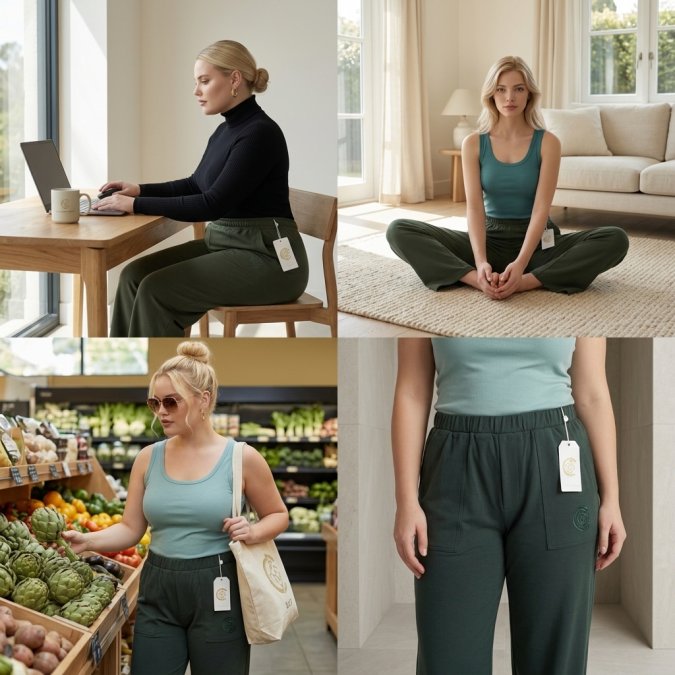
The texture difference is tactile and immediate. Bamboo has a buttery, almost silk-like feel that many describe as luxurious. Organic cotton feels more like traditional cotton, clean and breathable but with slightly more texture. Neither is uncomfortable; it's purely a preference question. If you've had reactions to synthetic fibers or dyed fabrics, both plant-based options are safer choices because they're processed with fewer chemical interventions than mass-market alternatives.
Organic Cotton Durability for Pants
Organic cotton pants hold their shape and resist pilling better than bamboo alternatives. The fiber's natural structure is stronger under stress, repeated friction from sitting, walking, and washing doesn't break down the fibers as quickly. This durability advantage is especially noticeable in high-friction areas like inner thighs and seat seams, where pilling commonly occurs with bamboo blends.
Shrinkage is another durability factor where organic cotton excels. Quality organic cotton pants are typically pre-shrunk, meaning they retain their fit through dozens of washes. Bamboo fabric shrinks 5-8% on average, which requires careful washing in cold water and air-drying to minimize size loss. If you prefer throwing pants in the machine without overthinking care instructions, organic cotton removes that variable.
The longevity equation matters when evaluating cost-per-wear. Organic cotton pants maintain their appearance and fit longer, which justifies a higher upfront investment. A pair of well-made organic cotton pants can last 2-3 years of regular wear without significant degradation. Bamboo pants, while still durable, may show pilling or shape loss sooner, especially in blended fabrics where the bamboo percentage is lower.
Tensile strength, the fiber's ability to withstand pulling and stretching, favors organic cotton. This means seams stay intact longer, and the overall garment structure holds up to repeated movement and washing. For active women or those who wear the same pants multiple times weekly, this durability difference translates to real value.
Clare Flare | Sustainable Bamboo Flare →
Bamboo Fiber Clothing Benefits
Bamboo's environmental credentials are its strongest selling point. The plant grows rapidly without requiring pesticides, fertilizers, or irrigation, it regenerates from its root system after harvesting. This makes bamboo one of the most renewable fibers on the planet. For eco-conscious consumers, choosing bamboo clothing directly supports sustainable agriculture that doesn't deplete soil or pollute water supplies.
The naturally antimicrobial properties of bamboo are a genuine functional benefit, not just marketing language. Bamboo fabric naturally inhibits odor-causing bacteria, meaning your pants stay fresher longer between washes. This reduces laundry frequency, which extends garment life and lowers your environmental impact through water and energy savings. Women who work from home or wear the same pants multiple days appreciate this feature because it means less frequent washing without compromising freshness.
Bamboo fiber also offers built-in UV protection and thermoregulation that rivals organic cotton. The fabric keeps you cool in summer and warm in winter, making it genuinely year-round appropriate. Combined with its silky softness and antimicrobial properties, bamboo delivers a luxury feel at a mid-range price point.
The Eco Germ Gard technology used in Ecogoldencomfort's bamboo blends enhances these natural properties further. This herbal treatment amplifies bamboo's antimicrobial benefits while keeping the fabric biodegradable and skin-safe. The result is pants that feel premium, perform functionally, and align with environmental values, a rare combination.
How to Care for Bamboo Clothing
Proper care extends the life of bamboo pants significantly. The key is understanding that bamboo fiber, while durable, is more sensitive to heat and agitation than organic cotton. Cold water washing is essential, hot water accelerates shrinkage and can damage the fiber's smooth surface, leading to pilling over time.
Turn your bamboo pants inside out before washing. This simple step protects the outer surface from friction against other garments and the washing machine drum.
Environmental Impact and Sustainability
The environmental story of organic cotton vs bamboo is more nuanced than marketing claims suggest. Organic cotton eliminates synthetic pesticides, which protects soil health and water quality. Growing organic cotton requires more land than conventional cotton because yields are lower without chemical inputs, but the trade-off is genuine environmental benefit, no synthetic pesticide runoff poisoning waterways and no soil degradation from chemical residue.
Which Fabric Should You Choose?
Choose organic cotton if durability and shape retention matter most. These pants hold their fit through dozens of washes, resist pilling in high-stress areas, and require minimal special care. Organic cotton is ideal for women who wear the same pants multiple times weekly or prefer straightforward washing without worrying about shrinkage. The upfront cost is justified by longevity, you'll wear these pants longer before they degrade.
Frequently Asked Questions
Is bamboo or organic cotton better for pants?
Both excel in different ways. Bamboo offers superior softness and moisture-wicking, making it ideal for active wear and sensitive skin. Organic cotton provides proven durability and breathability with a more structured feel. The best choice depends on your priorities: choose bamboo for luxurious softness and temperature regulation, organic cotton for long-lasting wear and classic comfort. Many prefer blends that combine both fabrics' strengths.
What are the main durability differences between bamboo and organic cotton?
Organic cotton has stronger tensile strength and resists pilling better with repeated washing, making it more durable over years of wear. Bamboo fabric, while becoming softer with washing, can show pilling earlier if not cared for properly. However, high-quality bamboo blends with reinforced fiber construction maintain their integrity. Both can last years when washed correctly; the difference is that organic cotton typically shows less visible wear.
How do bamboo and organic cotton compare for sensitive skin?
Bamboo is naturally hypoallergenic and antimicrobial, making it exceptionally gentle for reactive or sensitive skin. It requires fewer chemical treatments during manufacturing compared to conventional cotton. Organic cotton is also hypoallergenic and free from synthetic pesticides, but bamboo's natural properties give it an edge for skin prone to irritation. Both are superior to conventional cotton for sensitive skin concerns.
Is bamboo fabric more breathable than organic cotton?
Bamboo excels at moisture-wicking and thermoregulation, pulling sweat away from skin faster than organic cotton. Organic cotton offers steady, reliable breathability with excellent absorbency. Bamboo feels cooler to the touch and regulates temperature more actively, while organic cotton maintains consistent comfort. For hot climates or heavy activity, bamboo's breathability advantage is noticeable; for everyday wear, both perform admirably.
When you're ready to invest in pants that actually feel good and last, Ecogoldencomfort's bamboo and organic cotton blends deliver the softness and breathability you deserve. Shop the collection and experience the difference that plant-based, thoughtfully crafted fabrics make in your daily comfort.