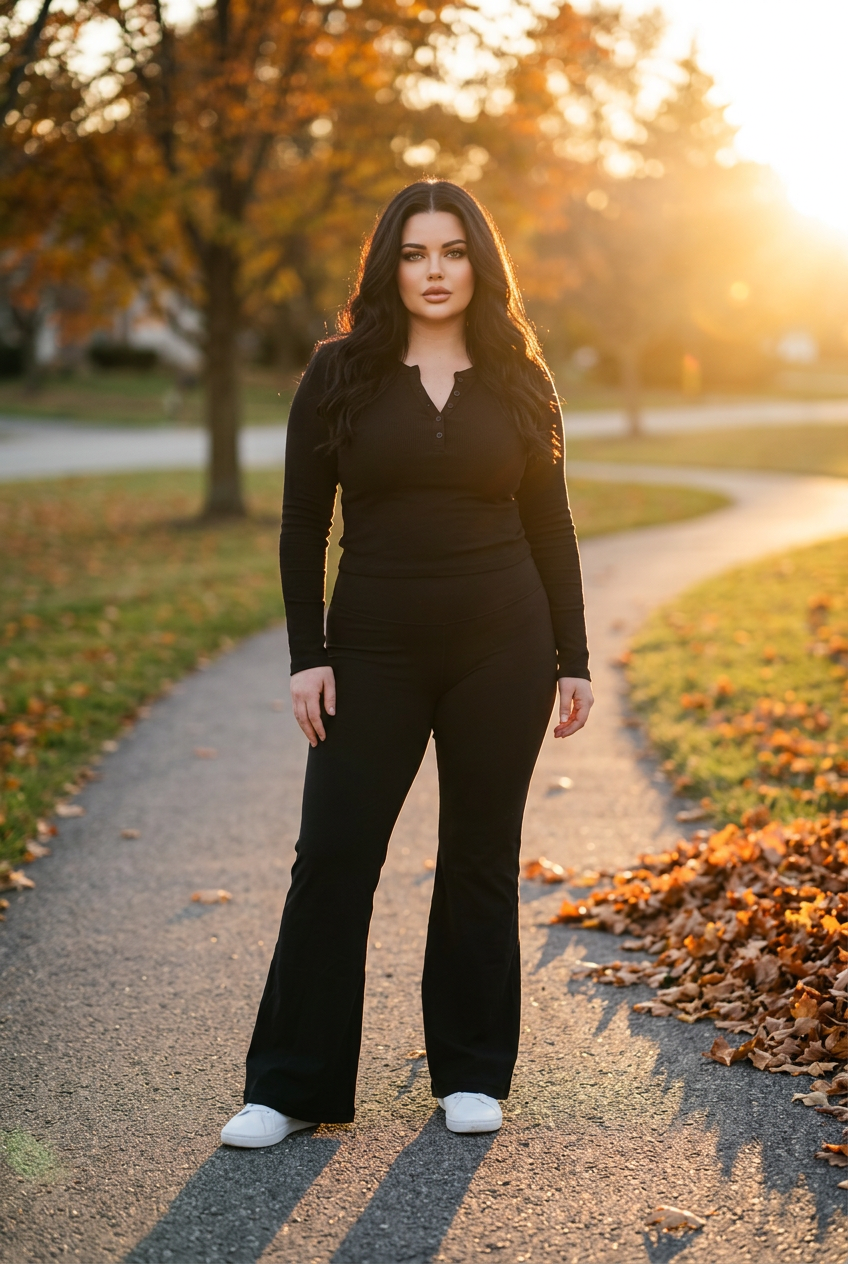

Why Bamboo Pants for Sensitive Skin Feel Better

A waistband that leaves you itching by lunch or fabric that feels scratchy after an hour can change the shape of an otherwise lovely day. For many women, bamboo pants for sensitive skin are appealing for a simple reason: they can feel softer, cooler, and less demanding against the body from morning coffee through an evening walk.
Comfort is not a small thing to outgrow or apologize for. It is part of feeling at ease in your own clothes, moving freely through your routines, and choosing pieces you will genuinely want to wear again tomorrow. Still, not every garment labeled bamboo will feel the same, and sensitive skin deserves a closer look than a fabric name alone.
Why bamboo can feel gentler on skin
Bamboo-derived fabric is widely loved for its smooth hand feel. Unlike some coarser natural fibers or stiff synthetic knits, a well-made bamboo blend often has a soft, fluid surface that glides rather than catches on the skin. That can be especially welcome when skin feels dry, thin, easily irritated, or simply more particular than it once was.
Many bamboo fabrics are made from bamboo viscose or rayon, created by processing bamboo pulp into soft fibers. This matters because “bamboo” describes the source material, not a single, identical finished fabric. The final feel depends on the manufacturing method, fabric weight, knit, dye, finishing treatments, and the other fibers blended alongside it.
A comfortable bamboo pant also tends to manage daily warmth well. Breathable fabric and a moisture-wicking feel can make a difference during warm weather, light exercise, travel, or those moments when your temperature seems to change without much notice. When fabric does not trap as much heat and dampness next to the skin, it may feel calmer and more comfortable over a long day.
That said, bamboo is not a medical treatment, and no fabric is a guaranteed answer for eczema, contact dermatitis, or an allergy. If you have a diagnosed skin condition or persistent irritation, your clinician can help identify likely triggers. Clothing is one thoughtful part of a wider comfort routine.
What to look for in bamboo pants for sensitive skin
The best pair is not necessarily the one with the highest bamboo percentage on the tag. A good choice brings together a soft fabric, gentle construction, and a fit that gives your body room to breathe.
Start with the fabric blend
A small amount of stretch fiber, such as spandex or elastane, helps pants recover their shape and move with you. For everyday bottoms, that stretch can prevent sagging at the knees and help the waistband stay comfortable. The trade-off is that a higher synthetic content may change the fabric’s feel and breathability, particularly if you are already sensitive to heat.
Look for a blend that feels substantial enough to drape smoothly without being heavy. Very thin fabric may cling, while overly dense fabric can feel warm or restrictive. The right weight depends on where and when you plan to wear the pants. A lighter knit can be lovely in summer or for lounging, while a more structured knit can offer confidence for errands, appointments, and casual gatherings.
Pay attention to seams and waistbands
For sensitive skin, construction can be just as meaningful as fiber content. Raised seams, tight elastic, rough labels, and bulky pockets may become noticeable after several hours of sitting, walking, or bending.
A wide, flexible waistband often distributes pressure more gently than a narrow band that presses into one spot. You should be able to sit comfortably without feeling the waistband roll, pinch, or ask for constant adjustment. Flat or carefully finished seams are another quiet detail worth appreciating, especially around the inner leg and waistband.
Choose color and finish with care
If your skin reacts easily, consider how garments are dyed and finished. Dark colors, bright shades, and special finishes are not automatically a problem, but some people do better with simpler options and freshly washed clothing. Washing new pants before the first wear can remove residual finishing agents from production and shipping.
There is no need to give up the colors you enjoy unless you have noticed a consistent reaction. The more useful approach is paying attention to your own experience. Your skin is allowed to have preferences.
Fit is part of skin comfort
A soft fabric cannot fully compensate for a fit that is too tight. Pants that pull across the hips, grip behind the knees, or dig in at the waist create friction throughout the day. For skin that is easily bothered, less rubbing and less pressure can be a real relief.
The most comfortable silhouette is personal. Some women prefer a straight or relaxed leg for easy movement and airflow. Others find that a gentle flare balances the body beautifully while giving the calves and ankles more room. A sport pant with a clean, easy fit may be the pair you reach for on busy days, while a polished flare can carry you from a morning errand to lunch with a friend without feeling overdressed.
When trying on pants at home, do more than stand in front of the mirror. Sit in your favorite chair, take a short walk, bend to pick something up, and notice whether the fabric stays comfortable at the waist and through the thighs. A flattering fit should not require you to hold your breath or tolerate discomfort for the sake of appearance.
Caring for soft bamboo fabric
The way you wash bamboo clothing influences how it feels against your skin. Gentle care helps preserve the soft finish, color, shape, and stretch that made you choose the garment in the first place.
Wash pants in cool water with a mild detergent, particularly if fragranced products tend to bother your skin. Avoid using more detergent than needed, as residue can linger in fabric and make sensitive skin unhappy. Fabric softener is usually unnecessary for bamboo blends and may leave a coating that changes the fabric’s natural feel.
Turn pants inside out before washing to reduce surface wear. A gentle cycle is often a wise choice, and air drying or low heat can help protect elastic fibers. High heat can be hard on stretch materials over time, causing waistbands and recovery to weaken sooner than they should.
If you are testing a new pair, wear it for a few hours on an ordinary day after washing. This gives you a more honest sense of how it performs with your movement, body temperature, and usual skincare products. A fabric that feels beautiful for five minutes should still feel good after a full afternoon.
A thoughtful choice for everyday dressing
Sensitive skin often asks for clothing with fewer compromises. You may want pants that are gentle enough for a quiet day at home, presentable enough for a lunch date, and flexible enough for stretching, errands, or caring for the people you love. That is not asking too much from your wardrobe. It is asking it to support your real life.
At Eco Golden Comfort, our approach to comfort begins with that respect for the body. Plant-based fabrics, practical stretch, and flattering shapes are considered together, because softness alone is not enough if a garment does not move well or hold up to regular wear. Pieces such as a bamboo flare pant or an easy sport pant can offer different silhouettes while keeping that feeling of everyday ease at the center.
The more you learn what your skin responds to well, the easier it becomes to choose with confidence. Begin with softness, breathable construction, and a forgiving fit, then let your own comfort be the final measure. The right pants should leave you free to think about your day, not about what you are wearing.