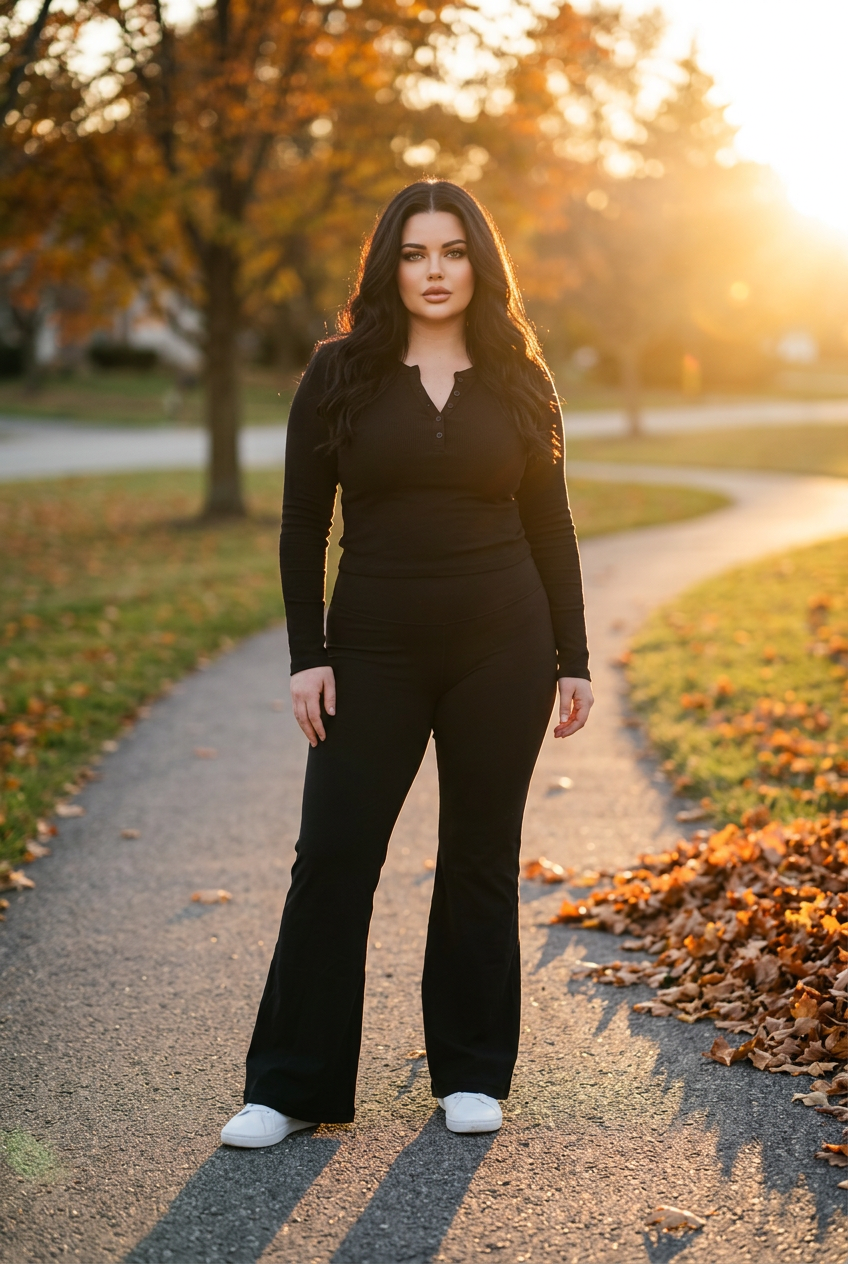

Breathable Pants for Hot Weather: 7 Best Picks

Table of Contents
- What Makes Breathable Pants for Hot Weather Actually Work
- Best Lightweight Fabrics for Summer Pants
-
7 Breathable Pants for Hot Weather Worth Buying in 2026
- 1. Ecogoldencomfort Bamboo-Blend Pants, Best Overall for Everyday Comfort
- 2. Quince 100% European Linen Wide Leg Pant, Best Budget Linen Pick
- 3. Outdoor Voices CloudKnit Wide Leg Pant, Best for Lounging and Low-Sweat Activity
- 4. Patagonia Utility Pant, Best Sustainable Blend for Active Days
- 5. Columbia All Seasons Pull On Pant, Best for Sun Protection and Travel
- 6. prAna Hideaways Pant, Best for Beachwear and Relaxed Days
- 7. Athleta Brooklyn Ankle Pant, Best for Travel and Professional Settings
- Moisture-Wicking Pants for Women: What to Look For
- How to Style Sustainable Pants for Summer
- Caring for Technical and Natural-Fiber Pants
- Which Breathable Pants Should You Choose?
- Frequently Asked Questions
Last Updated: September 1, 2026
Finding breathable pants for hot weather sounds simple until you're standing in a dressing room with a pile of "lightweight" options that still trap heat the moment you sit down. At Ecogoldencomfort, we've spent years working with natural and sustainable fabrics to understand exactly why some pants breathe and others don't. This guide gives you seven picks worth your time, plus a framework for choosing the right fabric for your body, your lifestyle, and your values.
Quick Picks:
- Best Overall: Ecogoldencomfort Bamboo-Blend Pants, natural softness, antibacterial performance, and eco-conscious manufacturing
- Best Linen Budget Pick: Quince 100% European Linen Wide Leg Pant, exceptional airflow at an accessible price
- Best for Sun Protection: Columbia All Seasons Pull On Pant, UPF 50 with quick-dry and stain-repellent technology
- Best for Travel: Athleta Brooklyn Ankle Pant, wrinkle-resistant, quick-drying, and polished enough for professional settings
What Makes Breathable Pants for Hot Weather Actually Work
Breathable pants allow air to circulate against the skin, pulling moisture away from the body and releasing heat through the fabric. Open-weave fabrics allow more airflow; tightly woven synthetics trap it. Natural fibers like linen and bamboo absorb moisture and release it through evaporation, while technical synthetics move moisture to the outer surface where it evaporates quickly.
Natural vs. Synthetic Fibers: The Real Difference in Heat
Natural fibers (linen, organic cotton, bamboo, lyocell) absorb moisture into the fiber itself before releasing it through evaporation, creating a cooling effect comfortable against sensitive skin without chemical treatments.
Synthetic fibers (polyester, nylon) don't absorb moisture. Instead, they wick it to the fabric's surface through capillary action, which works well for high-activity situations but many women find less pleasant for all-day wear, especially those with sensitive skin.
For everyday and professional use, natural fibers and sustainable blends typically offer more comfort across a full day.
Best Lightweight Fabrics for Summer Pants
The fabric is the decision. Everything else is styling.
Bamboo Blends: Softness, Breathability, and Antibacterial Properties
Bamboo fabric addresses multiple comfort problems at once. Its fiber structure creates natural softness while moisture management keeps you dry without synthetic wicking treatments. Bamboo also has inherent antibacterial properties, which matters during summer months when heat and humidity create conditions where odor develops faster. Bamboo grows quickly with minimal water and without pesticides, making it one of the more responsible raw materials in apparel.
Linen and Organic Cotton: Time-Tested Natural Airflow
Linen's hollow fiber structure allows exceptional airflow and gets softer with each wash. For casual settings, wrinkles are irrelevant. For professional settings, a linen-cotton blend or structured cut can reduce the rumple.
Organic cotton gauze is another option worth knowing. The open weave creates airflow similar to linen while delivering the softness many women prefer. According to the USDA's National Organic Program standards, certified organic cotton is grown without synthetic pesticides or fertilizers, which matters for women with sensitive skin.
Lyocell and Sustainable Synthetics: Eco-Friendly Performance
Lyocell (often marketed under the TENCEL brand) is a semi-synthetic fiber made from wood pulp in a closed-loop process that recycles the solvents used in production. The result is a fabric that feels silky, drapes well, manages moisture effectively, and has a significantly lower environmental footprint than conventional viscose or polyester. Blended with organic cotton or spandex, lyocell creates pants that breathe, stretch, and hold their shape through daily wear.
7 Breathable Pants for Hot Weather Worth Buying in 2026
These picks span natural fibers, sustainable blends, and technical synthetics to cover different needs, budgets, and body types.
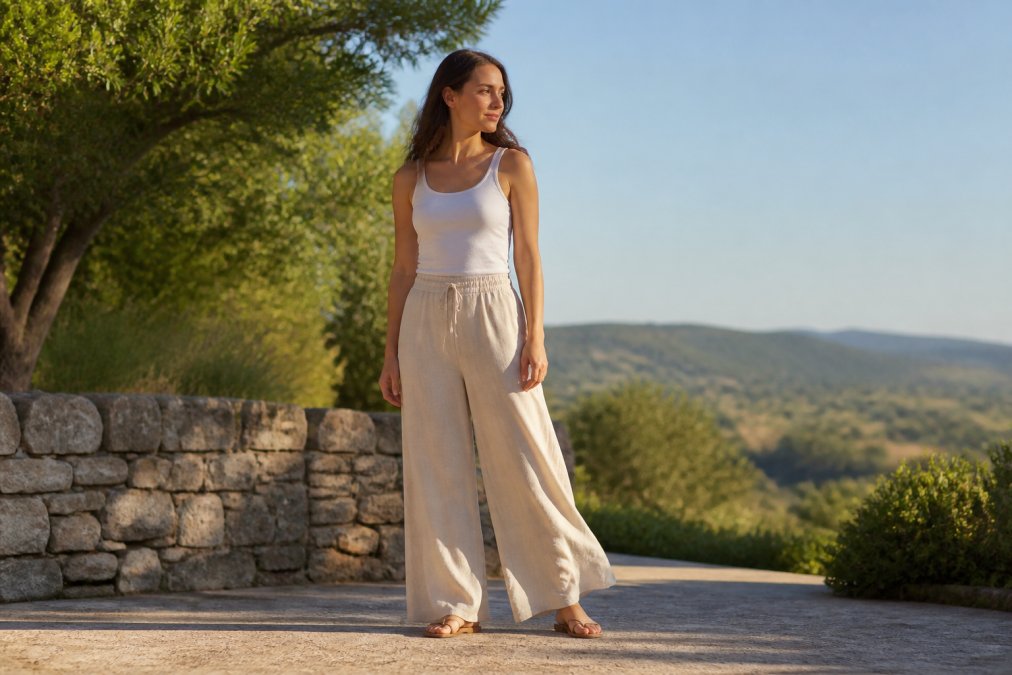
1. Ecogoldencomfort Bamboo-Blend Pants, Best Overall for Everyday Comfort
Ecogoldencomfort's bamboo-blend pants are crafted from plant-based bamboo blends with decades of manufacturing expertise, these pants move and hold up over time. The fabric's natural antibacterial properties mean you can wear them through a full day without odor buildup.
Best for: Women who want all-day comfort, sensitive skin, remote work, and a garment that holds up to regular washing without pilling.
Pros:
- Natural softness from plant-based bamboo blends
- Antibacterial properties for all-day freshness
- Designed to move with the body
- Eco-packaged with lower environmental footprint
Cons:
- Visit the website for current pricing and sizing details
2. Quince 100% European Linen Wide Leg Pant, Best Budget Linen Pick
At $39.90, the Quince linen pant is the most accessible entry point into quality linen. The 100% European linen construction delivers genuine breathability and the wide-leg silhouette adds airflow around the legs. These will crease, which is fine for casual wear and travel but requires steaming for a polished look.
Best for: Casual summer wear, travel, and anyone trying quality linen for the first time without a large investment.
Pros:
- Exceptional breathability for the price
- Versatile wide-leg silhouette
- Elastic waist for all-day comfort
Cons:
- Linen wrinkles easily, requires steaming for a polished look
3. Outdoor Voices CloudKnit Wide Leg Pant, Best for Lounging and Low-Sweat Activity
The CloudKnit fabric is genuinely soft, making these pants feel closer to high-quality loungewear than activewear. At $68, the high-rise wide-leg design works well for yoga, slow mornings, and low-sweat recreation.
Best for: Home, yoga, lounging, and casual warm-weather days where comfort is the priority.
Pros:
- Extremely soft fabric with good stretch
- Lightweight and breathable
- High-rise fit flatters a range of body types
Cons:
- Too casual for professional or semi-formal settings
4. Patagonia Utility Pant, Best Sustainable Blend for Active Days
The Patagonia Utility Pant uses 68% organic cotton, 30% TENCEL lyocell, and 2% spandex, a well-chosen combination that provides comfort, drape, moisture management, and light stretch for movement. Four spacious pockets make it genuinely functional.
Best for: Casual wear, daily tasks, and light outdoor activity where you need both comfort and practicality.
Pros:
- Thoughtfully blended sustainable fabrics
- Four functional pockets
- Comfortable for all-day wear with light stretch
Cons:
- Pricing not consistently listed across retail sites; check directly
5. Columbia All Seasons Pull On Pant, Best for Sun Protection and Travel
The Columbia All Seasons pant offers Omni-Shade UPF 50 sun protection, Omni-Shield moisture and stain repellency, comfort stretch, and both hand and zippered pockets at $60. According to the Skin Cancer Foundation's guidance on UV protective clothing, UPF 50 fabric blocks around 98% of UV radiation.
Best for: Hiking, travel, and outdoor activities where sun protection and quick-drying performance matter most.
Pros:
- UPF 50 sun protection
- Water and stain repellent
- Quick-drying and moisture-wicking
Cons:
- Polyester blend feels less natural than cotton or linen options
6. prAna Hideaways Pant, Best for Beachwear and Relaxed Days
100% organic cotton gauze with UPF 50+ protection and chlorine resistance makes the prAna Hideaways Pant ideal for beach and pool use. The open gauze weave creates maximum airflow, and the flowy mid-rise silhouette works beautifully as a beach cover-up.
Best for: Beach, pool, and relaxed warm-weather days where maximum airflow is the goal.
Pros:
- Extremely breathable organic cotton gauze
- UPF 50+ sun protection
- Chlorine resistant for pool use
Cons:
- May be too sheer for everyday wear; pricing varies by retailer
7. Athleta Brooklyn Ankle Pant, Best for Travel and Professional Settings
At $98, the Athleta Brooklyn Ankle Pant earns its position through versatility. Featherweight Stretch fabric delivers wrinkle resistance and quick-drying performance alongside UPF 50+ protection. The ankle length and polished silhouette make these the most professional-ready pants on this list.
Best for: Travel, commuting, and active everyday wear where a polished look and technical performance both matter.
Pros:
- Wrinkle-resistant and quick-drying for travel
- UPF 50+ protection
- Stylish enough for professional settings
Cons:
- Higher price point; synthetic feel won't suit women who prefer natural fibers
| Pant | Starting Price | Fabric | Best For | Sun Protection |
|---|---|---|---|---|
| Ecogoldencomfort Bamboo-Blend | Visit site | Bamboo blend | Everyday comfort, sensitive skin | Natural UV properties |
| Quince European Linen | $39.90 | 100% linen | Budget linen, casual wear | No UPF rating |
| Outdoor Voices CloudKnit | $68 | CloudKnit synthetic | Lounging, yoga | No UPF rating |
| Patagonia Utility Pant | Contact retailer | Organic cotton/lyocell/spandex | Active daily wear | No UPF rating |
| Columbia All Seasons | $60 | Polyester blend | Outdoor, travel | UPF 50 |
| prAna Hideaways | Contact retailer | 100% organic cotton gauze | Beach, poolside | UPF 50+ |
| Athleta Brooklyn Ankle | $98 | Featherweight Stretch synthetic | Travel, professional | UPF 50+ |
Moisture-Wicking Pants for Women: What to Look For
Moisture-wicking pants work best when the fabric construction matches the activity level. For low-activity and everyday wear, natural fibers that absorb and evaporate moisture are often more comfortable than technical synthetics. For higher-activity use, synthetic moisture-wicking fabrics move sweat to the surface faster.
The terms to know when shopping:
- Moisture-wicking: The fabric pulls sweat away from the skin to the outer surface for evaporation.
- Quick-dry: The fabric dries faster than standard cotton after getting wet.
- Breathability: Air can pass through the fabric, reducing heat buildup.
- Thermal regulation: The fabric helps maintain consistent skin temperature. Bamboo and lyocell are particularly noted for this quality.
- Anti-microbial: The fabric resists bacterial growth that causes odor. Bamboo has natural anti-microbial properties; synthetics often require chemical treatments.
For women prioritizing all-day comfort without irritation, bamboo blends and lyocell offer moisture management without chemical treatments.
How to Style Sustainable Pants for Summer
Sustainable pants for summer work best when the styling matches the fabric's natural character rather than fighting it.
Body Type Fit Guide: Finding the Right Silhouette
The right silhouette creates balance through proportions rather than size.
| Body Type | Recommended Silhouette | Fabric Suggestion | What to Avoid |
|---|---|---|---|
| Petite frame | Ankle-length, tapered | Lightweight bamboo | Oversized wide-leg that shortens the leg line |
| Fuller through the hip | Wide-leg or straight | Drapey lyocell or linen | Tight-fitting stretch fabric |
| Long-waisted | High-rise, wide-leg | Linen or bamboo blend | Low-rise cuts that add visual length to torso |
| Athletic build | Relaxed straight-leg | Organic cotton or bamboo | Stiff fabrics that don't move with the body |
From Home Office to Casual Outings: Versatile Summer Looks
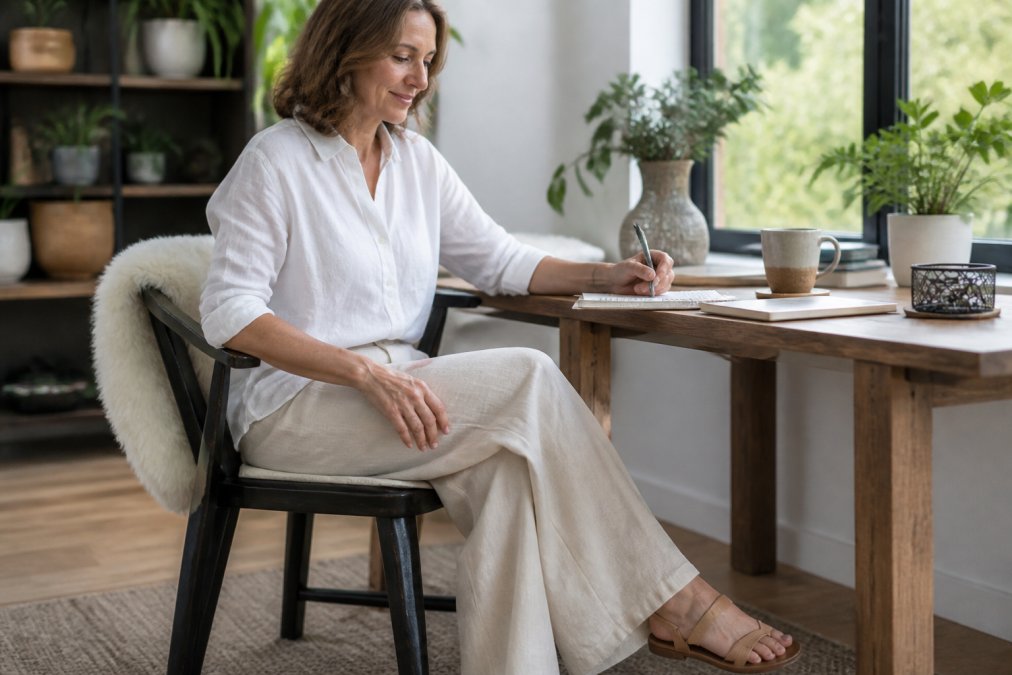
For remote workers, a bamboo-blend wide-leg pant with a tucked linen or organic cotton top creates a put-together look that reads professional on video calls and comfortable enough for a full day of movement. For casual outings, linen pants in neutral or earthy tones pair well with a simple knit top or lightweight button-down left open.
Caring for Technical and Natural-Fiber Pants
Most technical and natural-fiber pants last significantly longer when washed correctly.
For bamboo blends:
- Wash in cold water on a gentle cycle
- Avoid high heat in the dryer; air dry or tumble on low
- Skip fabric softener, which reduces breathability
For linen:
- Machine wash on gentle in cool water
- Linen softens with each wash
- Air dry; use a warm iron or steamer to remove wrinkles
For lyocell and TENCEL blends:
- Wash inside out in cold water to reduce pilling
- Gentle cycle only; lyocell weakens when agitated wet
- Air dry flat or hang
For synthetic moisture-wicking fabrics:
- Wash in cold water; hot water degrades the wicking treatment
- Avoid fabric softener, which clogs wicking fibers
- Air dry when possible
According to the Federal Trade Commission's textile care labeling requirements, all garments sold in the United States must carry a permanent care label. Following that label is the baseline; the tips above extend the life of technical and natural-fiber fabrics specifically.
Which Breathable Pants Should You Choose?
The right breathable pants depend on three things: your primary use case, your skin's sensitivity, and whether fabric feel or technical performance matters more to you.
- For everyday comfort and sensitive skin: Ecogoldencomfort bamboo-blend pants are designed with plant-based materials and construction built around real comfort.
- For budget-conscious linen: The Quince European Linen pant delivers genuine breathability and a flattering silhouette at the lowest price on this list.
- For outdoor and travel use: The Columbia All Seasons pant and Athleta Brooklyn Ankle Pant both offer UPF 50+ protection and quick-dry performance for women who spend time outdoors or travel frequently.
- For sustainable blends: The Patagonia Utility Pant's organic cotton and lyocell combination is a thoughtful middle ground for women who want sustainability and everyday versatility.
- For beach and relaxed days: The prAna Hideaways Pant's organic cotton gauze is the most breathable option on this list and the best choice for warm, humid conditions near water.
Breathable pants for hot weather aren't a single category. Linen, bamboo, lyocell, and technical synthetics each solve a different version of the same problem. Matching the fabric to your actual use case is more important than chasing a single "best" option. According to the Textile Exchange's fiber and materials benchmark, consumer demand for preferred fibers including organic cotton, recycled synthetics, and lyocell has grown consistently, reflecting a shift toward materials that perform well and carry a lower environmental footprint.
Finding pants that stay comfortable through a full hot-weather day is harder than it should be, particularly for women who need a garment that performs across multiple settings without irritating sensitive skin. Ecogoldencomfort's bamboo-blend pants are designed specifically for this challenge, using plant-based materials and decades of manufacturing expertise to create garments that move with the body, manage moisture naturally, and hold up through regular wear and washing. Shop Ecogoldencomfort and find breathable pants built for real comfort, not just the marketing description.
Frequently Asked Questions
Q: What is the best breathable fabric to wear in hot weather?
A: Linen, bamboo blends, and organic cotton gauze consistently top the list for hot-weather breathability. Linen allows exceptional airflow and wicks moisture naturally. Bamboo blends add antibacterial properties and a silky feel that resists odor through long days. Lyocell (TENCEL) is another strong option, managing moisture efficiently while staying soft against sensitive skin. For women who want comfort without synthetic fabrics, bamboo-organic cotton blends offer a combination of thermal regulation, softness, and durability.
Q: What kind of pants should you wear in hot, humid weather?
A: In humid conditions, the priority shifts from simple lightweight fabric to moisture-wicking and quick-dry performance. Wide-leg silhouettes in linen or bamboo blends allow airflow around the legs, reducing heat buildup. Avoid tight fits in non-stretch fabrics, which trap humidity against the skin. Pull-on styles with elastic or drawstring waistbands also help, since they avoid the bulk of waistband hardware that can feel restrictive and warm when temperatures climb.
Q: Are bamboo and organic cotton good for hot weather?
A: Yes. Bamboo fabric is naturally breathable, moisture-wicking, and antibacterial, making it one of the most effective plant-based materials for warm weather. Organic cotton, especially in gauze or lightweight weaves, allows strong airflow and feels gentle on sensitive skin. Together in a blend, they balance durability with softness. Unlike many synthetic quick-dry fabrics, bamboo and organic cotton breathable pants stay comfortable through extended wear without the plastic-like feel some women find irritating.
Q: What pants work best in 90-degree weather?
A: At 90°F, you need pants with maximum ventilation and sweat management. Wide-leg linen pants, bamboo-blend pull-ons, and organic cotton gauze styles all perform well. Look for UPF 50+ sun protection if you spend time outdoors, and prioritize fabrics that dry quickly after contact with sweat. Avoid dark colors that absorb heat and heavy denim or canvas. Lightweight, flowy silhouettes in natural or plant-based fibers are the most reliable choice for sustained comfort in extreme heat.
Q: How do I care for natural-fiber summer pants to make them last?
A: Most linen and bamboo-blend pants do best in cold or warm water on a gentle cycle. Avoid high-heat drying, which can shrink natural fibers and break down fabric structure over time. Lay linen flat or hang to dry to reduce wrinkles. Bamboo blends are generally machine-washable but benefit from air drying to preserve softness. Skip fabric softeners with bamboo, as they can coat the fibers and reduce their natural moisture-wicking ability. Always check the care label before washing.
This article was written using GrandRanker