
Long Lasting Sustainable Clothing Brands in 2026

Table of Contents
- What Makes Sustainable Clothing Brands Stand Out
- Best Sustainable Fabrics for Durability
- Top Sustainable Clothing Brands That Last
- How to Care for Sustainable Garments
- Durable Ethical Clothing Brands: What Separates Real Quality
- Cost-Per-Wear Analysis: Why Sustainable Clothing Saves Money
- Evaluating Supply Chain Transparency and Certifications
- Conclusion
- Frequently Asked Questions
Last Updated: September 4, 2026
Fast fashion has trained us to expect clothing to fall apart. But a growing number of shoppers are rejecting that cycle, searching instead for long lasting sustainable clothing brands that survive years of wear without losing shape, color, or comfort. The shift reflects a deeper realization: the most sustainable garment is the one you never have to replace. In this Ecogoldencomfort guide, we break down what separates genuinely durable ethical fashion from marketing hype, and how to build a wardrobe that truly lasts.
Sustainable brands often prioritize softness and eco-friendly fibers at the expense of structural integrity. The best options balance natural breathability with construction that holds up to weekly washing.
What Makes Sustainable Clothing Brands Stand Out
Durability combines natural materials with thoughtful construction, reinforced seams, and timeless design. Greenwashing makes this harder to evaluate, as many labels claim eco-credentials while cutting corners on quality.
Reliable durability markers include fabric weight, weave density, and stitching quality at stress points. Brands publishing detailed material specifications and repair guidance invest more in longevity than those making vague "eco-friendly" promises.
Best Sustainable Fabrics for Durability
Not all natural fibers perform equally under repeated wear. Organic cotton offers proven resilience, while hemp provides exceptional strength that increases with each wash.
Bamboo viscose, when processed correctly, delivers durability when blended with organic cotton and spandex, resisting pilling through dozens of wash cycles. Recycled polyester often sacrifices breathability and retains odors, making it less ideal for all-day wear.
Top Sustainable Clothing Brands That Last
Eco Golden Comfort: Bamboo and Organic Cotton Excellence
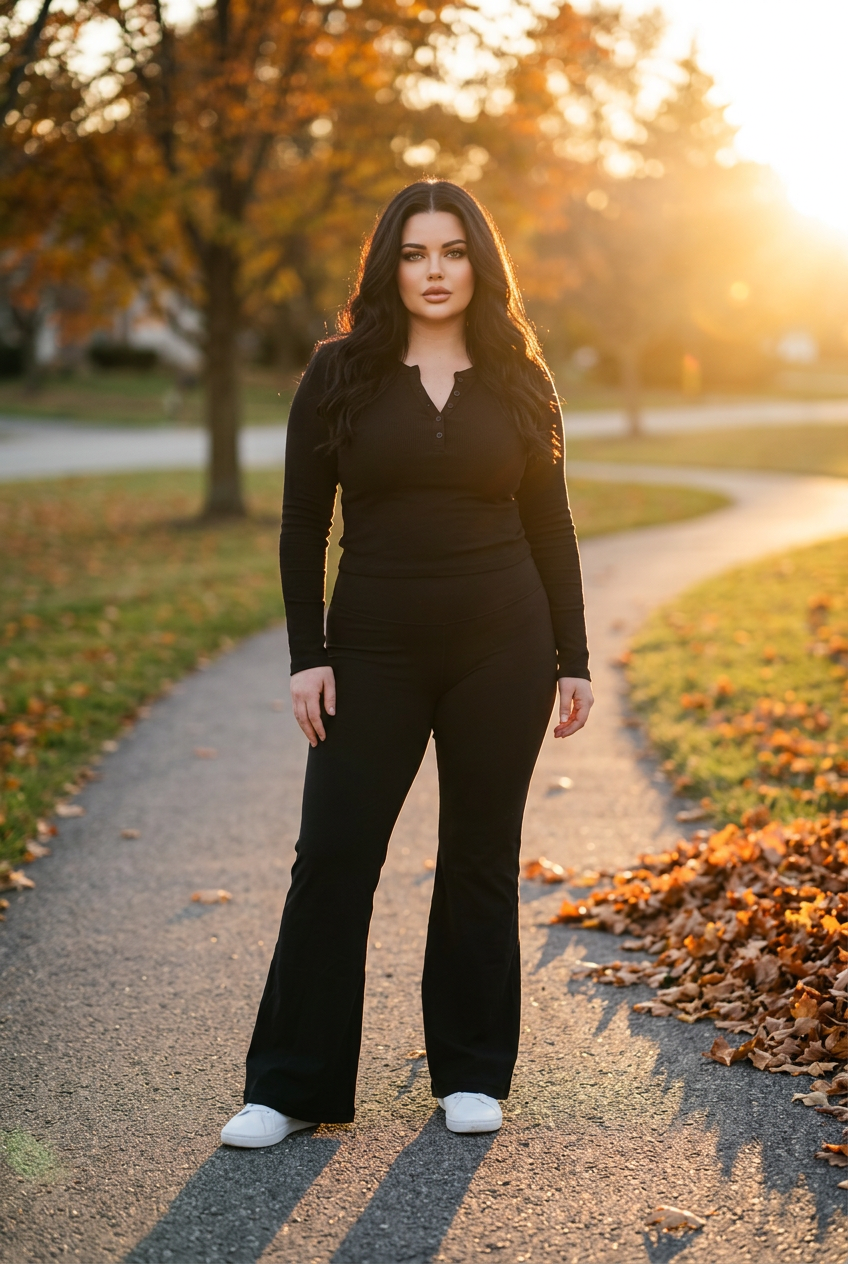
Ecogoldencomfort's Clare Flare pairs a bamboo organic cotton blend with a cuttable inseam and no elastic waistband, eliminating the most common failure point in women's pants.

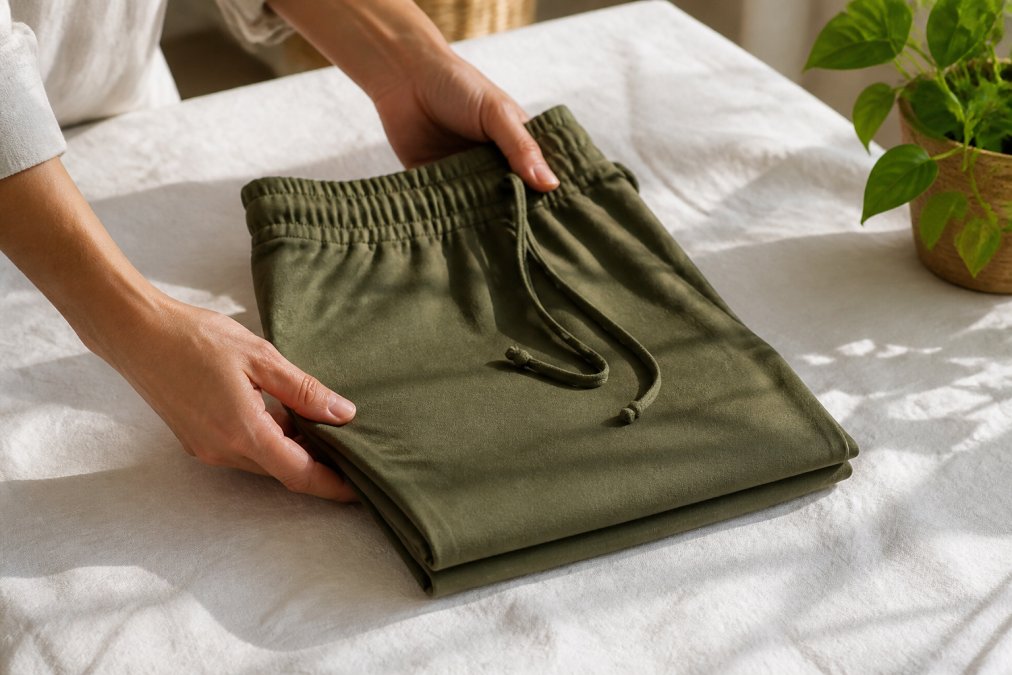
The Umi Jogger features Eco Germ Gard Herbal Bamboo technology, an antimicrobial treatment that reduces washing frequency and extends garment life.
The Riko Sport Pant offers front slant and rear pockets sized for a phone, with soft elastic waistband and drawcord. At $60, it softens with every wash rather than degrading.
| Garment | Price | Key Durability Feature | Best For |
|---|---|---|---|
| Clare Flare | $70 | No elastic waistband, cuttable hem | Yoga, errands, casual outings |
| Umi Jogger | $55 | Antimicrobial Eco Germ Gard treatment | Gym, lounging, home office |
| Riko Sport Pant | $60 | Reinforced pockets, drawcord fit | Studio, travel, everyday wear |
How to Care for Sustainable Garments
Proper care doubles garment lifespan. Cold water washing preserves bamboo's tensile strength, while air drying prevents fiber breakdown from dryer heat.
Turn bamboo cotton blends inside out before washing. Use gentle, plant-based detergent free from optical brighteners. Treat stains immediately and avoid bleach.
Repair and Mending: Extending Garment Life Beyond Washing
Repair is the most overlooked aspect of clothing longevity. A garment with a small hole can serve another 50 to 100 wears if mended promptly, dramatically extending cost-per-wear value.
Seam Repairs: Hand-stitch small tears using a backstitch parallel to the original seam. For larger damage, professional seam repair costs $15-$25 and adds years of life.
Pilling and Bobbling: Use a fabric shaver ($8-$15) or fine-tooth comb to remove pills without damaging fibers.
Elastic Replacement: Cut a side seam opening, thread new elastic through the casing, overlap ends by 1 inch, and stitch. This extends garment life 2-3 years for under $5.
Stain Removal: Use baking soda paste for set-in stains and cold water for protein-based stains. Oxygen-based removers work on natural fibers without chlorine bleach's harshness.
Many sustainable brands offer repair guides and replacement parts on their websites. Check whether the brand provides repair resources before assuming a garment is beyond saving.
Durable Ethical Clothing Brands: What Separates Real Quality
Examine waistband construction, does it use elastic or woven structure? Check whether seams use flatlock or reinforced stitching to prevent blowouts.
Fabric weight matters significantly. A 280 GSM bamboo cotton pant survives daily wear better than a 240 GSM version. Sustainable brands publish these specifications rather than hiding behind vague language.
Proper fit reduces seam stress. Ecogoldencomfort designs for real women's bodies, ensuring the waistband sits correctly without straining.
Cost-Per-Wear Analysis: Why Sustainable Clothing Saves Money
A $30 fast-fashion pant surviving 15 wears costs $2.00 per wear. A $70 sustainable pant lasting 150 washes costs $0.47 per wear, with lower environmental impact.
Divide purchase price by estimated wears. Most durable bamboo and organic cotton pieces deliver 100-200 wears before showing significant wear.
This economic argument aligns with the circular economy principle: extending a garment's usable life by just nine months reduces its carbon, waste, and water footprints by roughly 20 to 30 percent. Ellen MacArthur Foundation research on clothing longevity consistently highlights that keeping clothes in active use is the most impactful consumer behavior change available.
Evaluating Supply Chain Transparency and Certifications
Third-party certification defends against greenwashing, but the landscape is crowded with labels carrying minimal enforcement. Learning to read certifications critically separates informed shoppers from those fooled by marketing.
Key Certifications and What They Actually Verify
Global Organic Textile Standard (GOTS): The gold standard for organic cotton, verifying fiber grown without synthetic pesticides or GMOs and auditing facilities for safe conditions. If a brand claims organic cotton without GOTS certification, the claim is unverified.
Fair Trade Certified: Confirms fair wages and safe conditions throughout the supply chain via independent, unannounced audits. Less common in apparel than other industries, so its absence doesn't automatically signal unfair practices.
OEKO-TEX Standard 100: Tests finished garments for harmful chemicals. It's a safety standard, not a sustainability standard, and doesn't verify environmental impact or labor practices.
Cradle to Cradle Certified: Evaluates the entire product lifecycle, including material sourcing, manufacturing, and recyclability. One of the most comprehensive certifications, though the most expensive for brands.
A Step-by-Step Framework for Verifying Claims
Step 1: Check the Brand's Transparency Page Credible brands publish manufacturing facility names and locations, audit reports, material sourcing documentation, and water/chemical use data. If this information is absent or vague, move to the next step before buying.
Step 2: Cross-Reference Certifications If a brand claims GOTS certification, verify it using the GOTS directory. Enter the brand name or facility name to confirm the certification is current. The same applies to Fair Trade Certified (check Fair Trade Certified directory) and other labels. A brand that claims certification but doesn't appear in the official directory is either lying or using an expired credential.
Step 3: Use the Fashion Transparency Index The Fashion Transparency Index ranks major brands on how much they publicly disclose about their supply chains. Brands are scored on whether they name factories, publish audit results, and explain their environmental impact. While smaller sustainable brands may not appear in this index, the methodology provides a useful benchmark: if a brand publishes detailed supply chain information, it's more likely to be honest about its practices.
Step 4: Look for Specific Numbers, Not Vague Language Compare these two claims:
- "We use sustainable materials and ethical manufacturing."
- "Our bamboo viscose comes from a closed-loop production facility in Indonesia that recycles 99% of processing chemicals. Our manufacturing partners in Vietnam and India are GOTS-certified and audited quarterly by an independent third party."
The second claim is specific, verifiable, and credible. The first is marketing noise. Brands committed to transparency use numbers, facility names, and certification references. If a brand's sustainability page reads like a mission statement rather than a data sheet, it's likely greenwashing.
Step 5: Investigate Bamboo Processing Specifically Closed-loop viscose recycles chemicals, preventing water pollution. Open-loop viscose releases chemicals into waterways. Ask brands directly: "Is your bamboo viscose closed-loop?" Credible brands answer clearly; deflection suggests open-loop processing.
Tools for Deeper Verification
For readers willing to dig deeper, several databases and apps provide supply chain information:
- USDA BioPreferred program maintains a searchable database of products certified as biobased, useful for verifying plant-based material claims.
- Good On You rates fashion brands on labor practices, environmental impact, and animal welfare. The ratings are based on public information and brand transparency, making it a useful cross-check against brand claims.
- Textile Exchange publishes annual reports on organic fiber production, including which brands source certified organic materials.
These resources require a few minutes of research per brand, but they transform your ability to distinguish genuine sustainability from marketing hype. A $70 pair of pants from a brand with verifiable certifications and transparent supply chain practices is a better investment than a $50 pair from a brand making unsubstantiated claims.
Conclusion
Building a wardrobe of long lasting sustainable clothing brands requires shifting from impulse purchases to intentional investment. Evaluate fiber quality, construction methods, and certification before buying, then protect that investment with proper care routines. The cost-per-wear math makes the case clearly: durable natural fiber garments save money while reducing environmental impact.
Ecogoldencomfort embodies this philosophy through bamboo and organic cotton pants designed for real women's bodies, with antimicrobial treatments, functional pockets, and construction that softens rather than degrades with each wash. Our plant-based materials and eco-conscious packaging reflect a commitment to responsible fashion that prioritizes longevity over trends.
The challenge is resisting the lure of cheap, disposable clothing. The solution is choosing garments engineered to last. Explore the Clare Flare, Umi Jogger, and Riko Sport Pant collections and experience the difference that quality sustainable construction makes. Get started with Ecogoldencomfort and build a wardrobe that serves you for years.


Frequently Asked Questions
Does sustainable clothing actually last longer than fast fashion?
Yes. Sustainable clothing brands prioritize durable construction, quality natural fibers like organic cotton and bamboo, and timeless design over trends. Studies show ethical garments withstand 50-100+ wears before showing wear, while fast fashion often fails within 10-20 wears. Bamboo blends, for example, strengthen with washing and resist pilling when cared for properly, making them genuinely long-lasting investments.
What certifications should I look for in sustainable clothing brands?
Look for third-party certifications like Global Organic Textile Standard (GOTS) and OEKO-TEX for non-toxic dyes. These verify ethical manufacturing, labor rights, and chemical-free production. Transparent brands publish supply chain audits and material sourcing details. Avoid greenwashing by checking if certifications are from independent bodies, not self-created labels.
How do I calculate cost-per-wear to justify sustainable clothing prices?
Divide the garment's price by the number of times you'll wear it. A $70 pair of bamboo pants worn 200 times costs $0.35 per wear, while a $30 fast-fashion pair worn 20 times costs $1.50 per wear. Sustainable brands with durable fabrics, timeless cuts, and versatile colors typically deliver lower cost-per-wear over their lifespan, making them economical despite higher upfront prices.
What makes Eco Golden Comfort different from other sustainable clothing brands?
Eco Golden Comfort combines decades of manufacturing expertise with plant-based bamboo and organic cotton blends designed for real comfort and durability. Their Eco Germ Gard technology adds natural antimicrobial properties, while thoughtful design features like cuttable hems and functional pockets prioritize wearability. Garments like the Clare Flare ($70) and Riko Sport Pant ($60) are built to soften and strengthen with washing, not deteriorate.
This article was written using GrandRanker