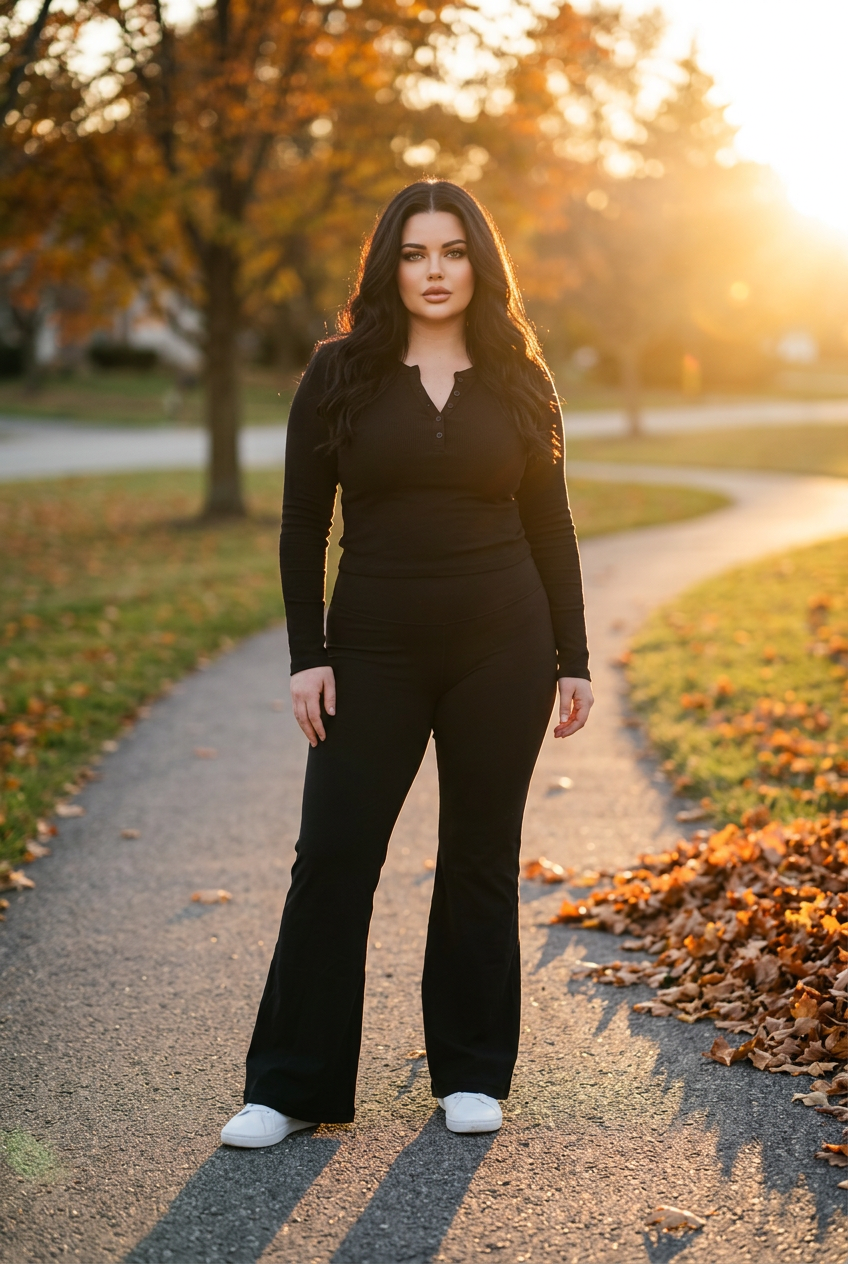

Plant Based Clothing for Women That Feels Good

A waistband that presses in by midmorning, fabric that traps warmth, pants that look presentable but make it harder to move comfortably - these are not small annoyances. They can change how freely you enjoy a walk, a lunch with friends, errands, or a quiet afternoon at home. Plant based clothing for women offers a more considered alternative: garments made with nature-derived fibers and designed to support the body through real, full days.
For many women, especially as comfort becomes less negotiable and quality matters more, the appeal is not simply the word “sustainable.” It is the feeling of soft fabric against the skin, breathable ease when the temperature shifts, and a fit that lets you sit, stretch, and move without constantly adjusting your clothes.
Why Plant Based Clothing for Women Feels Different
Plant-based clothing is made primarily from fibers that begin with plants. Cotton is the familiar example. Bamboo-derived fabrics are another popular choice for comfortwear, often valued for their smooth hand feel and drape. Other plant-origin materials include linen, hemp, and lyocell made from wood pulp.
The fiber alone does not determine whether a garment will feel wonderful. Fabric weight, knit or weave, finishing, elastic quality, and pattern design all matter. Still, plant-derived fabrics can offer qualities many women notice right away: softness, airflow, gentle flexibility, and a less plastic-like feel than many synthetic-heavy garments.
That difference can be especially welcome in bottoms. Pants and leggings spend all day in motion with you. A fabric that is breathable and flexible, paired with a waistband that stays comfortably in place, can make getting dressed feel simpler rather than like another compromise.
Comfort is not a luxury feature
There is a tendency to treat comfort as something reserved for lounging. But comfort belongs in the clothes you wear to meet a friend, travel, garden, attend an appointment, or relax at home. It can mean a fabric that does not cling. It can mean a flattering silhouette that does not require restrictive shaping. It can mean knowing your pants will still feel good after several hours in the car.
Thoughtful comfortwear respects the fact that bodies are not static. Some days call for more room through the waist or hip. Some days bring warmer weather, more walking, or a desire to look polished with very little effort. Clothing should meet those needs with grace.
Understanding the Fabrics Behind Your Clothes
It helps to look beyond broad marketing language and consider what a garment is actually made from. A plant-based material may be a strong starting point, but responsible choices also involve durability, care needs, and how the fabric was processed.
Bamboo-derived fabric
Bamboo fabric is often chosen for its exceptionally soft, smooth feel. It can be breathable and comfortable for everyday pants, sleepwear, and layers that sit close to the skin. Many bamboo textiles are made by processing bamboo cellulose into a regenerated fiber, which means the finished fabric is plant-derived but also manufactured.
That does not make it a poor choice. It simply means that transparency matters. Look for brands that speak clearly about their materials, make garments built for repeat wear, and focus on quality construction rather than treating “bamboo” as a vague promise. A well-made bamboo blend can offer the drape and flexibility that make a favorite pair of pants easy to reach for again and again.
Cotton
Cotton remains a dependable comfort fabric because it is familiar, breathable, and easy to care for. It works beautifully in casual bottoms and soft essentials, particularly when the fabric has enough structure to hold its shape. The trade-off is that 100% cotton may have less stretch and can take longer to dry than some blends.
Organic cotton is grown under standards that limit certain synthetic agricultural inputs. It may be meaningful to shoppers who want to support more considered growing practices, though it is still wise to consider the whole garment: how it is made, how long it will last, and whether it suits your life well enough to be worn often.
Blends can be practical, not a failure of values
A small amount of stretch fiber can help pants recover their shape, move with the body, and avoid sagging at the knees. For active, everyday clothing, that performance can be genuinely useful. The goal is not necessarily to find a garment made from one ingredient only. The better question is whether each material has a purpose and whether the finished piece is comfortable enough and durable enough to earn a lasting place in your wardrobe.
Choosing Plant-Based Pants You Will Actually Wear
The most responsible garment is often the one you use and love for years, not the one with the most impressive label. When shopping for plant-based bottoms, begin with your daily rhythm rather than an idealized version of your closet.
If you take walks, travel, or spend time moving between activities, look for gentle stretch and a waistband that feels secure without digging in. If you want pants that can move from home to lunch or a casual gathering, a clean leg line and fabric with a graceful drape can feel more polished than traditional sweatpants. Flare pants can bring balance and ease to an outfit, while sport-inspired pants may suit days when mobility is the priority.
Before choosing, consider these four practical details:
- Waistband comfort: A wide, flexible waistband can reduce pinching and rolling, especially during long periods of sitting or movement.
- Fabric weight: Lightweight fabric may feel cooler, while a slightly heavier knit can offer more coverage and structure.
- Ease through the hip and thigh: Enough room supports natural movement and helps fabric fall smoothly instead of pulling.
- Care instructions: Clothing that fits your laundry routine is more likely to be worn regularly and cared for well.
A More Thoughtful Way to Build a Wardrobe
Buying fewer, better-fitting pieces can be a calm and practical approach to sustainable dressing. A pair of soft, versatile pants in a color you enjoy can be styled with simple tees, cardigans, button-down shirts, or a favorite sweater. When the fit is dependable, getting dressed requires less effort.
This approach also makes room for discernment. Not every plant-based fabric is automatically low-impact, and not every synthetic blend is automatically wrong for your needs. Manufacturing practices, shipping, dyes, garment longevity, and end-of-life options all shape the larger picture. No single purchase has to carry the weight of perfection.
Instead, look for honest material information, a clear return policy, and clothing made for the life you truly live. At Eco Golden Comfort, that means treating softness, mobility, and flattering everyday fit as connected parts of responsible design, not separate promises.
Caring for Soft Fabrics So They Last
Gentle care protects the feeling and shape that made you choose a garment in the first place. Wash plant-based knits according to their label, usually in cool water with a mild detergent. Turning pants inside out can reduce surface friction, and avoiding excessive heat helps protect elastic fibers and preserve color.
Air drying is often the kindest option for soft bamboo and cotton blends. If you prefer a dryer, a low setting can be a sensible compromise. There is no need to make laundry complicated - consistency matters more than perfection. Caring for clothes well extends their useful life, which is one of the most practical forms of sustainability.
The right pants should not ask you to tolerate stiffness, overheating, or a fit that distracts you from your day. Choose the pieces that let your body move easily, help you feel put together, and remind you that everyday comfort is something you have earned.