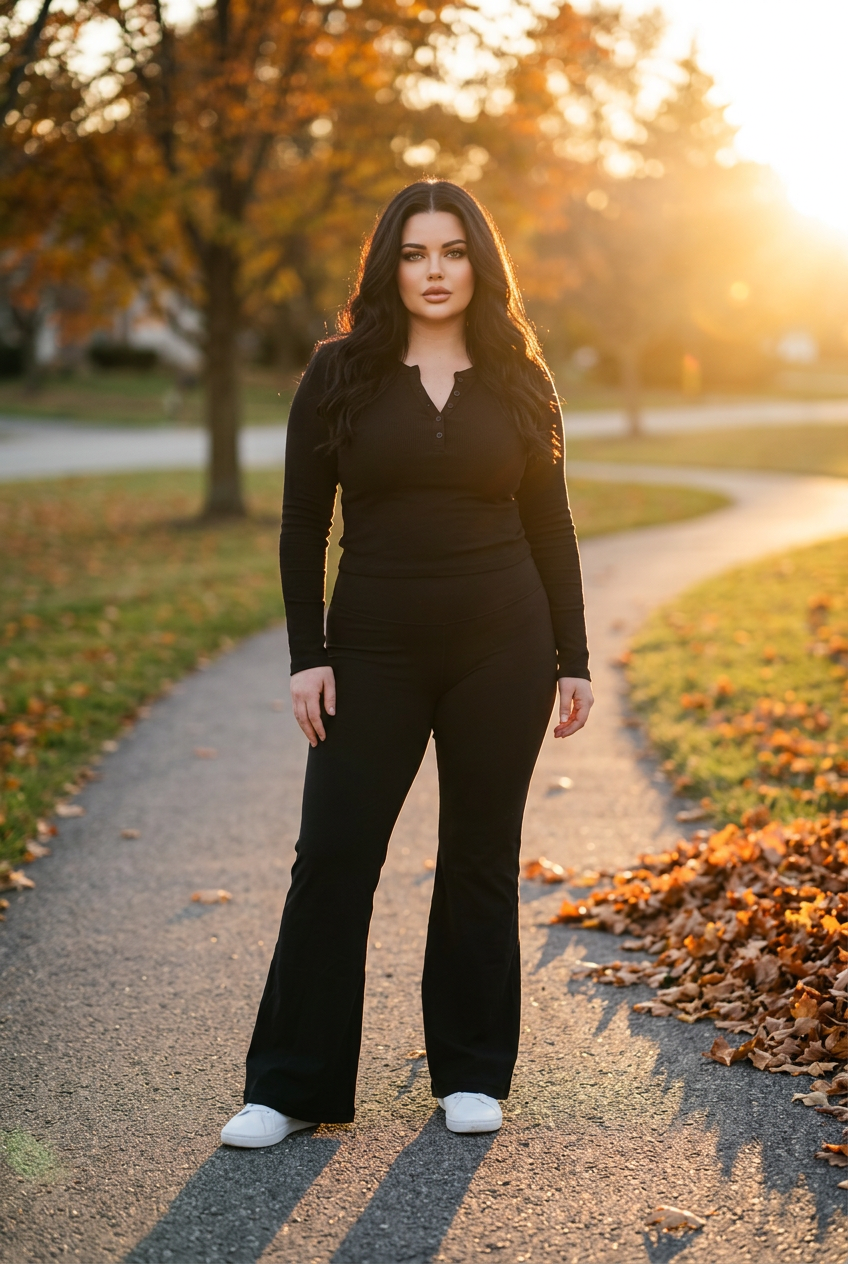

Sivana Alternative for Bamboo Pants: 2026 Comparison

Table of Contents
- What to Compare Before You Switch Bamboo Pants Brands
- Sivana Alternative for Bamboo Pants: Four Styles Compared
- Bamboo Cotton Blend Pants Benefits for Sensitive Skin
- How to Care for Bamboo Fabric So It Lasts
- Best Bamboo Clothing Brands: What Separates Them
- Sizing, Fit, and Real Body Questions
- Frequently Asked Questions
Last Updated: September 13, 2026
What to Compare Before You Switch Bamboo Pants Brands
If you're hunting for a Sivana alternative for bamboo pants, stop shopping by brand name and start shopping by three specs: fabric blend and weight, fit geometry, and price per wear. Those three variables determine whether a pair of bamboo pants survives two years of washing or pills by month three.
Bamboo pants are made from bamboo-derived fiber, usually blended with organic cotton and a little spandex for stretch recovery. The blend ratio, not the label, decides how the fabric drapes, breathes, and holds its shape.
Most guides rank brands by sustainability story and skip the numbers. Fabric weight and inseam length matter more to daily comfort than any certification logo.
Fabric Blend and Weight
A bamboo-cotton blend typically pairs bamboo viscose with organic cotton and 3-8% spandex (textileschool.com). More bamboo means a silkier hand and better thermal regulation; more cotton means more structure. Lightweight knits under about 200 gsm feel airy but can go sheer; mid-weight knits hold a straight-leg or flare silhouette without clinging.
Ask two questions before buying: what's the blend percentage, and what's the fabric weight? Brands that publish both are usually proud of both.
Fit, Rise, and Inseam
Rise and inseam decide whether a pant works on your body. A high-rise waistband sits at or above the navel and stays put through sitting, bending, and driving. Inseam controls where the hem lands: a 31" inseam reads full-length on most frames, while a 33" inseam gives flares their sweep.
Cuttable hems solve the height problem outright: shorten the leg at home without a tailor and without fraying.
Price and Longevity
Cost per wear beats sticker price every time. A $50 pant worn twice a week for two years costs roughly fifty cents per wear. A $25 pant that pills in four months costs more than twice that. Bamboo blends resist pilling better when the knit is tight and the spandex content is low, so construction quality shows up in year two, not week one.
| What to Compare | Why It Matters | What to Look For |
|---|---|---|
| Fabric blend | Controls softness, breathability, drape | Bamboo + organic cotton + low spandex |
| Fabric weight | Determines sheerness and structure | Mid-weight knit, not paper-thin |
| Rise and inseam | Decides fit and hem placement | High rise, 31"-33" inseam, cuttable hem |
| Waistband type | Comfort through sitting and bending | Smooth band or soft elastic with drawcord |
| Price per wear | True cost over the pant's life | Under $1 per wear across two years |
Sivana Alternative for Bamboo Pants: Four Styles Compared
Four Ecogoldencomfort styles cover nearly every reason women switch bamboo pants brands, from a dressy flare to a pocketed sport pant to a jogger that replaces leggings. All four use bamboo blended with organic cotton and are priced between $50 and $70.

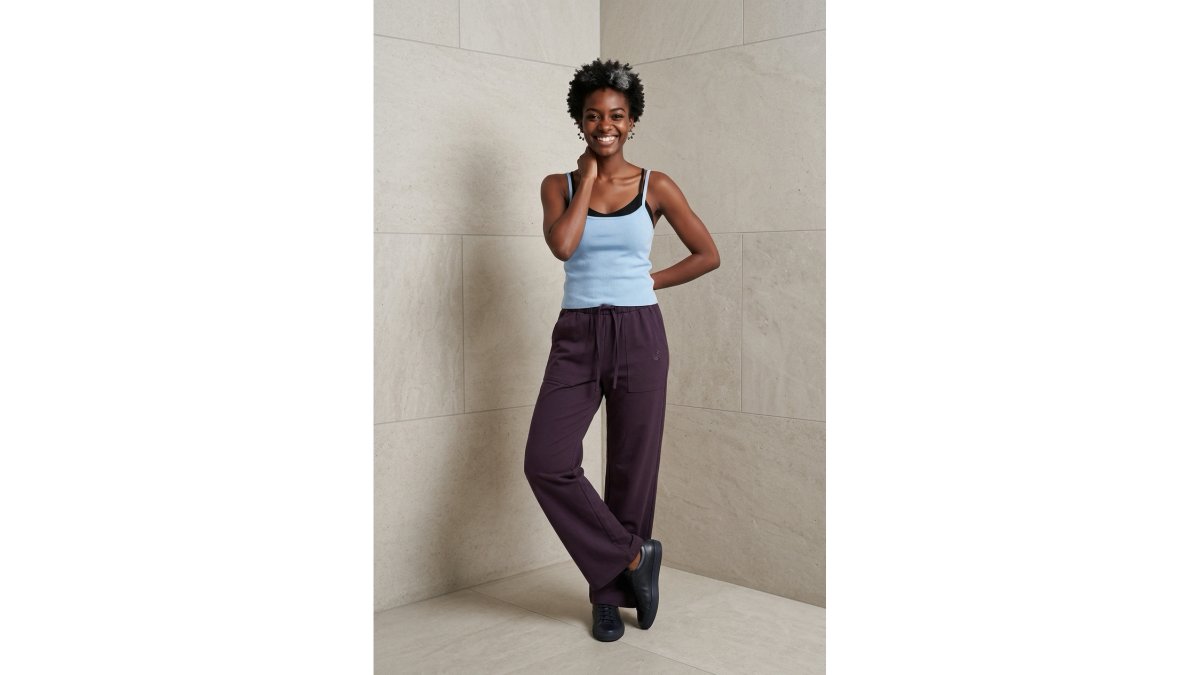
Clare Flare: The Cuttable Flare
The Clare Flare is the dressiest option at $70, with a 33" cuttable inseam and no elastic waistband, no dig, no squeeze, no visible band under a fitted top. The hem trims at home without fraying. Best for a polished flare on errands, lunches, and travel days.

Riko Sport Pant: Pockets and a Drawcord
At $50, the Riko Sport Pant is the most functional pick, with front slant pockets, full rear pockets sized for a phone, and a 31" high-rise cut. The soft elastic waistband includes an inside drawcord, so you can dial the fit instead of tugging at it. It comes in plum and olive green. Best for errands, studio sessions, and slow mornings.

Umi Jogger: The Leggings Alternative
The Umi Jogger costs $55 and offers a semi-fitted silhouette in a signature blue: it flows where leggings cling. The biodegradable bamboo, organic cotton, and spandex blend suits gym sessions, home lounging, and everything between. Best for anyone retiring their leggings collection.
| Style | Price | Inseam | Standout Feature | Best For |
|---|---|---|---|---|
| Clare Flare | $70.00 | 33" cuttable | No elastic waistband | Dressed-up everyday wear |
| Riko Sport Pant | $50.00 | 31" high-rise | Real front and rear pockets | Errands and studio days |
| Umi Jogger | $55.00 | Semi-fitted | Leggings alternative | Gym, home, lounging |
Bamboo Cotton Blend Pants Benefits for Sensitive Skin
Bamboo cotton blend pants benefits start with the fiber: bamboo is naturally smooth, hypoallergenic, and antibacterial, and blending it with organic cotton softens the hand further while adding breathability. For women with sensitive skin, that combination reduces the friction and moisture that trigger irritation.
Three properties do the heavy lifting:
- Breathability and moisture-wicking. Bamboo fiber moves moisture away from skin and regulates temperature, which keeps you cool through warm rooms and long sitting stretches.
- Antibacterial and odor-resistant behavior. Bamboo naturally inhibits odor-causing bacteria, so pants stay fresh between washes longer than synthetic knits.
- Hypoallergenic softness. With no harsh synthetic fibers against skin, bamboo-cotton blends suit reactive skin far better than polyester-heavy athleisure.
Natural fibers also carry built-in UV protection, which matters if your daily walk happens in full sun. If you've reacted to fabrics labeled "organic" before, ask the brand what the fiber content actually is, not just what the tag claims.
How to Care for Bamboo Fabric So It Lasts
Caring for bamboo fabric comes down to four habits: cold water, gentle cycle, low heat, and no fabric softener. Get those right and a quality bamboo pant gets softer with every wash instead of thinning out.
- Wash in cold water on a gentle or delicate cycle
- Turn pants inside out to reduce surface friction and pilling
- Use a mild detergent, and skip bleach and softeners
- Tumble dry low, or lay flat to dry when you have time
- Fold rather than hang heavy knits, which stretches waistbands
Pilling resistance depends on knit tightness and how you wash, not price alone. Drying bamboo blends on high heat stresses spandex and shortens stretch recovery; treat the elastic well and the waistband keeps its shape for years (textileschool.com).
Best Bamboo Clothing Brands: What Separates Them
What separates the best bamboo clothing brands is transparency about three things: fiber content, manufacturing process, and how the pant is meant to be worn. A brand that publishes blend percentages, fabric weight, and care instructions has nothing to hide. But the deeper question most guides skip is which bamboo fiber you're actually buying, because "bamboo" on a tag covers three very different supply chains.
Bamboo Viscose vs. Bamboo Lyocell vs. Organic Cotton
The fiber name matters more than the brand name for both feel and environmental footprint.
| Fiber | How it's made | Feel | Environmental trade-off |
|---|---|---|---|
| Bamboo viscose | Bamboo pulp dissolved in a chemical solvent, then spun | Silky, cool, drapes well | Solvent recovery varies by mill; closed-loop systems capture most of it, open-loop systems don't |
| Bamboo lyocell | Bamboo pulp dissolved in an amine oxide solvent in a closed loop | Similar hand, slightly stronger when wet | Closed-loop by design; solvent is recovered and reused |
| Organic cotton | Grown without synthetic pesticides, mechanically processed | Soft, structured, less drape | Water-intensive to grow, but no solvent step and a well-established certification chain |
Most bamboo-cotton blends on the market pair bamboo viscose with organic cotton and a small amount of spandex. That's a deliberate trade-off: bamboo brings silkiness and moisture movement, organic cotton brings structure and durability, and spandex brings stretch recovery. A 100% bamboo lyocell pant stretches out at the knee by afternoon; a 100% organic cotton pant holds its shape but doesn't move moisture the way bamboo does.
What to Look For on a Label
- Named fiber blends with percentages, not vague "bamboo blend" language. "60% bamboo viscose, 35% organic cotton, 5% spandex" is a real spec; "bamboo blend" is marketing.
- Organic cotton as the blending partner, which signals a cleaner agricultural supply chain than conventional cotton.
- Fabric weight in gsm, because a 180 gsm knit and a 260 gsm knit behave nothing alike.
- Eco-friendly manufacturing details, including closed-loop fiber processing and plastic-free or recycled packaging.
- Fit specifics like rise, inseam, and cuttable hems, the numbers that decide whether the pant works on your body.
- Durability signals such as pilling resistance and stretch recovery claims you can verify in reviews, not just on the product page.
Certifications Worth Knowing
Third-party certifications aren't a substitute for reading fiber content, but they're a useful filter. Look for OEKO-TEX Standard 100, which tests finished textiles for harmful substances, and GOTS, which certifies organic fiber from field to finished garment (oeko-tex.com). A brand with either has paid for independent verification; a brand with neither isn't necessarily cutting corners, small producers often can't afford the fees, but you're relying on the brand's own word.
The Lifecycle Question
Bamboo's biggest environmental advantage is that it grows fast, needs little water, and regenerates from the root without replanting. Its biggest disadvantage is the chemical step required to turn hard bamboo stalks into soft fiber, where viscose and lyocell diverge, and why "bamboo is sustainable" is only half true.
The honest framing: bamboo viscose in a closed-loop mill is genuinely low-impact; in an open-loop mill it carries a real chemical footprint. Organic cotton has its own water footprint but no solvent step. There is no zero-impact pant. Buy from a brand that knows which fiber it's using, how it was processed, and how long the garment will last, the most sustainable pant is the one you wear for years.
Ethical manufacturing and textile sustainability are worth asking about directly. Decades of manufacturing expertise show up in the details: how a waistband is finished, whether a hem frays, and whether the fabric still drapes after a year of wear. Those details are the real sustainability story, and the ones a certification logo can't tell you.
Sizing, Fit, and Real Body Questions
Sizing is where online bamboo pants purchases succeed or fail, and most size charts skip the two numbers that actually decide fit: rise and inseam. Measure four things before ordering, natural waist, hip at the fullest point, front rise on a pair you already love, and inseam from that same pair. Every fit decision below runs off those four numbers.
The Rise-and-Inseam Grid
Rise and inseam interact. A high-rise band sits higher on the torso and pulls the whole leg up, which is why the same 31" inseam reads full-length on a high-rise cut and cropped on a low-rise cut. Use this grid as a starting point, then adjust for your height:
| Frame | Recommended rise | Recommended inseam | Hem result |
|---|---|---|---|
| Petite (under 5'4") | High rise | 27"-29", or cuttable 31" hemmed up | Full-length |
| Average (5'4"-5'7") | High rise | 29"-31" | Full-length to slight break |
| Tall (5'8"+) | High rise | 31"-33" | Full-length; 33" for flares |
| Any frame, flare cut | High rise | Add 1"-2" over your straight-leg inseam | Flare sweeps to the floor |
Cuttable hems are the single most useful feature for anyone outside the average band. Shorten the leg at home with fabric shears; because the knit is bamboo-cotton, the raw edge rolls slightly instead of fraying into strings. Cut one inch longer than your target, try them on, then trim again, you can always take more off.
Tall vs. Petite: Where Standard Sizing Breaks
Standard women's pants are drafted for roughly a 5'5" frame with a 30"-31" inseam. If you're 5'9", that same pant reads as a capri. If you're 5'2", it pools at the ankle and drags. Neither is a sizing problem, it's a drafting problem, and it's why inseam matters more than the size number on the tag.
Two more patterns show up constantly:
- Long torso, short legs. Your waist sits high but your inseam is short. Size to your hip, choose a high rise, and plan to hem. Don't size down to fix length, you'll lose hip room.
- Short torso, long legs. The waistband may sit higher than you expect on a high-rise cut. That's normal. Check that the band doesn't hit your ribs when you sit; if it does, look for a mid-rise option or a softer band.
Between Sizes: Size to the Hip
If you're between sizes, size to your hip measurement, not your waist. Bamboo-cotton-spandex knits have modest stretch recovery, so the waistband gives slightly over a wear, but the hip seam won't. Sizing down to fix a loose waist usually creates a tight hip and a visible pull line across the front.
A common mistake is sizing up to solve a waistband that digs in. Digging is almost always band construction, not size. A smooth band or soft elastic with an inside drawcord distributes pressure across a wider area than a narrow elastic casing, fixing the dig without adding bulk through the hips. If the band is the problem, change the band style, not the size.
Reading a Bamboo Pant Size Chart Like a Fit Guide
Most bamboo pant size charts list waist, hip, and sometimes inseam. Three additions make a chart genuinely useful:
- Front rise in inches, measured from the crotch seam to the top of the band
- Inseam in inches, plus a note on whether the hem is cuttable
- Fabric weight in gsm, because a heavier knit holds a straight leg while a lighter one drapes closer to the body
If a chart lists only S/M/L with no measurements, treat it as a guess. If it lists waist, hip, rise, and inseam, you can predict fit before the package arrives.
"I'm a size 12 and I've had so many online pants that fit weird in the waist or thighs."
That's the most common note we get, and it's why rise, inseam, and band type belong in the product description, not the fine print. A size 12 in one brand's high-rise flare is a completely different garment from a size 12 in another brand's low-rise straight leg, the number is the same, the geometry isn't.
Frequently Asked Questions
Are there 100% bamboo pants available, or are blends better?
Pure bamboo fabric rarely holds its shape on its own, so most bamboo pants use a blend. A bamboo and organic cotton mix adds structure and durability while keeping the silky softness and breathability people want. Adding a small amount of spandex, as in the Riko Sport Pant, gives stretch recovery so the knees and seat do not bag out after a few hours of wear. A blend is the practical choice for pants you plan to wear all day.
What are the benefits of bamboo-cotton blends for women's pants?
Bamboo cotton blend pants benefits come from combining two natural fibers. Bamboo brings moisture-wicking, antibacterial properties, and a soft drape that sits gently on sensitive skin. Organic cotton adds breathability and the strength that keeps a garment from wearing thin. Together they regulate temperature, resist odor, and hold up to regular washing. For women with skin conditions or sensory sensitivities, the smooth finish and lack of harsh synthetic fibers matter as much as the feel.
How do I choose durable bamboo clothing that lasts?
Look at the blend ratio, the fabric weight, and the care instructions before you buy. A higher cotton percentage generally means better pilling resistance and shape retention. Check whether the waistband is sewn or elastic-only, since elastic can lose tension over time. Wash in cold water, skip the dryer, and lay flat to dry. Bamboo pants that get this care typically keep their drape and stretch recovery for years rather than months.
What should I look for when shopping for eco-friendly loungewear?
Start with the fiber content, then check what the brand says about manufacturing and packaging. Organic bamboo and organic cotton are plant-based and biodegradable, which lowers the carbon footprint compared with synthetic alternatives. A brand that names its fabric technology and ships in eco-friendly packaging is giving you something to verify. Fit matters too: an elastic waistband or a cuttable hem means the pant adapts to your body instead of the other way around.
Is bamboo fabric actually sustainable?
Bamboo grows quickly and needs little water or pesticide, which makes it one of the more renewable natural fibers. How it is processed matters, though. Look for brands that describe their supply chain and use plant-based materials rather than synthetic shortcuts. A bamboo and organic cotton blend that is biodegradable at the end of its life keeps the garment out of landfill longer than a polyester equivalent, especially when you wash it cold and wear it for years.