
Bamboo Clothing Review for Everyday Comfort

A good bamboo clothing review should begin where your day begins: with how clothing feels when you pull it on in the morning, move through your plans, sit for a while, and come home still feeling like yourself. Softness matters, but so do breathability, fit, durability, and the confidence that comes from wearing pants that do not ask your body to compromise.
For women who have outgrown scratchy waistbands, stiff fabrics, and clothes made for a brief trend rather than a full day of living, bamboo clothing can be a welcome change. It has a smooth, gentle hand feel that many people compare to a favorite well-worn layer, yet it can look polished enough for errands, lunch, travel, or a relaxed gathering with friends.
Bamboo Clothing Review: What the Fabric Feels Like
Bamboo-derived fabric is often loved first for its softness. It tends to feel smooth against the skin rather than dry, crisp, or overly textured. That can be especially appealing when skin feels more sensitive than it once did, or when you simply want clothing that is pleasant to wear for hours at a time.
Many bamboo fabrics also manage moisture comfortably. They can feel lighter and less clingy than some synthetic performance fabrics, which is helpful on a warm afternoon, during gentle exercise, or in a home where the temperature seems to change from room to room. The fabric generally drapes rather than stands away from the body, creating a relaxed, flattering line without feeling bulky.
That drape is worth considering if you prefer structure. A bamboo garment is rarely going to behave like crisp cotton poplin or tailored wool. It is usually better suited to easy pants, lounge-ready pieces, layers, and styles that move with you. For everyday comfortwear, that is often exactly the point.
What “Bamboo” Really Means in Clothing
The word bamboo can make a garment sound simple and straight from nature, but the full picture deserves a little more care. Most soft bamboo apparel is made from bamboo viscose or bamboo rayon. Bamboo pulp is processed into fibers, then spun into fabric. The result can be exceptionally soft and breathable, but it is not the same as wearing an unprocessed bamboo plant.
This does not make bamboo clothing a poor choice. It simply means responsible shopping looks beyond a single fiber name. Consider the quality of the fabric, the brand’s approach to sourcing and construction, how long the piece is intended to last, and whether it will truly earn a place in your regular wardrobe.
A garment that feels good, fits well, and stays in rotation for years can be a more thoughtful purchase than a less expensive item that quickly loses its shape or sits unworn. Sustainability is not only about what a fabric begins as. It is also about how intentionally we choose, wear, wash, and keep our clothes.
The Benefits That Matter Most Day to Day
The strongest case for bamboo clothing is usually practical, not poetic. Women often appreciate it because it supports an easier day. It feels gentle at the waist, moves when they bend or stretch, and offers a refined alternative to clothing that looks either too athletic or too formal.
For pants, a fabric blend can make all the difference. Bamboo is commonly blended with cotton and a small amount of stretch fiber to help a garment recover after sitting, walking, and washing. The goal is not a tight, compressed feeling. It is enough flexibility to move freely while the pant continues to look neat.
Breathability is another meaningful benefit, though personal experience will vary. If you run warm, a lighter bamboo blend may feel more comfortable than dense polyester. If you are often cold, bamboo can still work beautifully as a soft base layer or a pant paired with a cozy knit. Fabric weight, fit, and the season all matter as much as the fiber itself.
Where Bamboo Clothing Has Trade-Offs
An honest bamboo clothing review should not pretend every bamboo garment is perfect for every need. Because the fabric is soft and fluid, some pieces may show wear sooner if they are very lightweight or poorly constructed. Look closely at stitching, waistband recovery, fabric weight, and care instructions rather than assuming every item labeled bamboo will perform the same way.
Bamboo blends can also be more prone to pilling when rubbed repeatedly against rough surfaces, handbags, or abrasive denim. This is not unique to bamboo, but it is a reason to wash gentle fabrics with care. Turning garments inside out, using cool water, and avoiding high heat can help preserve softness and shape.
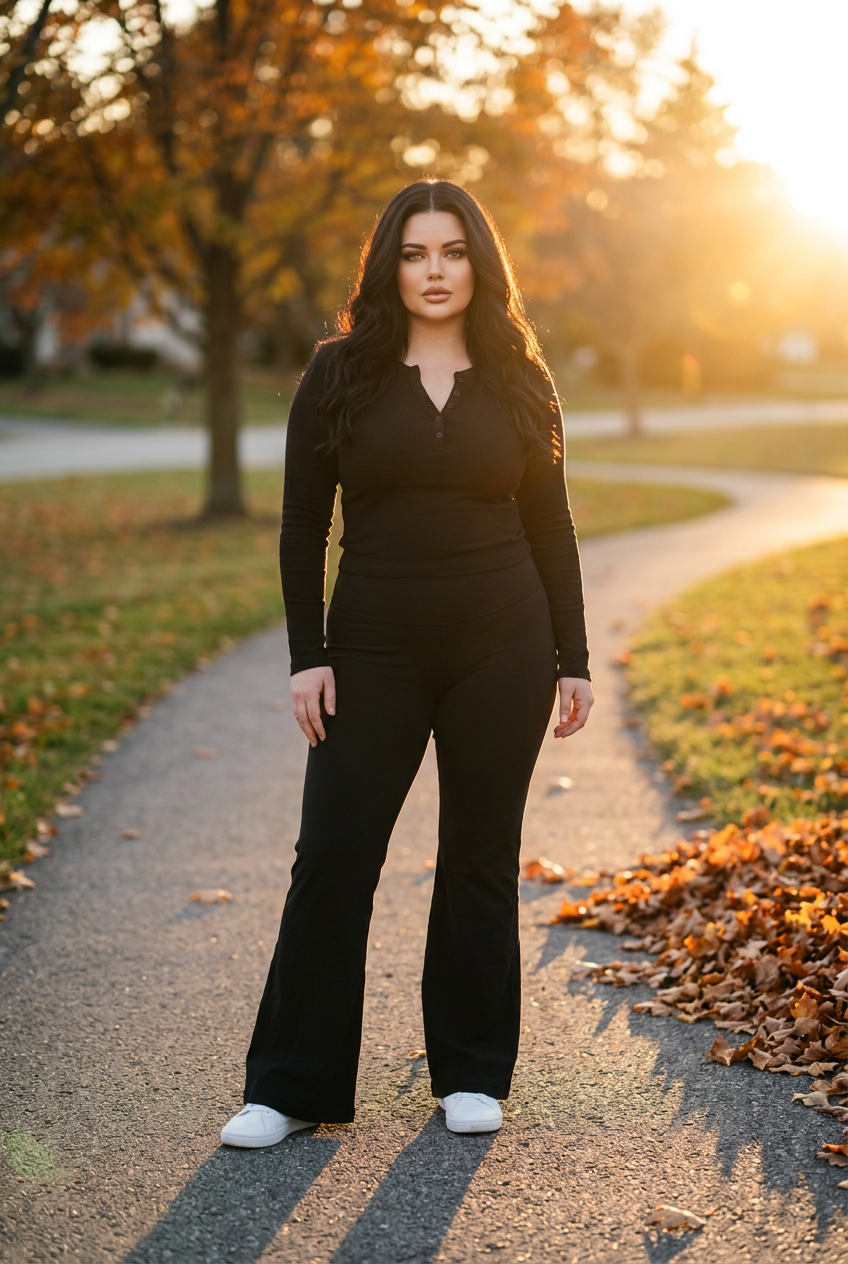
Fit is another area where it depends. A relaxed bamboo pant can offer welcome ease through the hips and thighs, but the right cut is personal. Some women prefer a straight or sport-inspired leg for daily movement. Others feel most at home in a subtle flare that creates balance and a longer-looking line. Comfort should never mean settling for a silhouette that does not feel like you.
A Bamboo Clothing Review of Fit and Confidence
The best comfortwear does more than feel soft. It lets you leave the house without changing clothes first. That is where thoughtful design becomes visible: a waistband that rests comfortably instead of rolling, a rise that provides coverage when you sit, pockets placed where they are useful, and a leg shape that looks intentional rather than shapeless.
A flattering fit is not about hiding the body. It is about honoring the body you have now, with room to move and enough structure to feel put together. Many women find that a gently flared pant works especially well because it skims rather than grips and gives an outfit a more balanced finish. A sport pant can be equally useful when the day calls for walking, travel, gardening, or simply a softer pace.
At Eco Golden Comfort, that balance guides pieces such as the Clare Flare and Riko Sport Pants: plant-based comfort designed for real routines, not a passing season. The intention is simple. You deserve clothing that supports your day from a morning walk to an evening on the sofa, without asking you to choose between ease and polish.
How to Care for Bamboo Clothing So It Lasts
Gentle care is a practical part of buying responsibly. Before washing, check the garment label, since blends and finishes can differ. In many cases, cold water and a mild detergent are the safest choice for preserving color and softness. Washing inside out can reduce surface friction, especially for pants worn often.
Skip bleach and go easy on fabric softener, which can leave a coating on fibers over time. Air drying is generally kindest to elastic fibers and helps reduce shrinkage. If you use a dryer, select low heat and remove the garment promptly. A little care can help your favorite pieces keep their comfortable feel through many wears.
It also helps to give pants a rest between wears when possible. Rotating a few dependable styles allows fabric and stretch fibers to recover, and it makes getting dressed easier because you always have something comfortable ready.
Is Bamboo Clothing Worth Buying?
For women who value softness, breathability, and everyday flexibility, bamboo clothing is often worth considering. The best pieces offer more than a pleasant first impression. They continue to feel good after a long afternoon, wash well with sensible care, and make everyday dressing feel less like a chore.
Still, the label alone is not a guarantee. Choose garments with a fit that suits your life, enough fabric weight for the coverage you want, and construction that feels dependable in your hands. Read the material blend. Think about what you will wear with it. Most of all, favor pieces you can imagine reaching for again and again.
The right pair of pants should make room for your plans, your movement, and your well-earned comfort. That is a small kindness to give yourself each morning, and one that can carry quietly through the rest of the day.