
Bamboo Fabric Versus Linen for Everyday Comfort

Some fabrics ask you to adjust to them: tolerate a rough first wear, accept a stiff waistband, or plan your day around wrinkles. The question of bamboo fabric versus linen is more personal than it may seem. Both are plant-based choices with a place in a thoughtful wardrobe, but they offer very different kinds of comfort.
For women who want clothing to feel soft, move easily, and still look put together from morning errands to an evening at home, the best choice depends on how you live in it. Linen brings a breezy, textured ease. Bamboo fabric brings a smooth, gentle feel that many women appreciate for everyday layers and flexible bottoms.
Bamboo Fabric Versus Linen: The Feel on Your Skin
The difference is clear from the first touch. Bamboo-derived fabric, often made from bamboo viscose or rayon, is known for a silky, smooth hand feel. It drapes close to the body without feeling clingy when blended and constructed well. For sensitive skin or anyone who has grown tired of scratchy seams and stiff fabrics, this softness can make getting dressed feel simpler.
Linen has a more substantial, natural texture. It can feel crisp and slightly grainy at first, especially in heavier or less-washed garments. Good linen softens over time, becoming more relaxed and familiar with every wash. Many people love that lived-in character, but it is not always the fabric they reach for when they want immediate softness.
This is not a matter of one fabric being better in every situation. Linen offers texture, structure, and an unmistakable natural look. Bamboo fabric offers a smoother, more fluid experience. If your comfort priorities include a soft waistband, easy movement, and fabric that feels kind against the skin all day, bamboo is often the more welcoming choice.
Breathability Means More Than Staying Cool
Both fabrics are valued for breathability, though they manage comfort differently. Linen allows air to move freely through its fibers. That makes it especially appealing on dry, hot days, for patio lunches, vacations, and loose-fitting summer shirts or dresses. Its airy weave creates a sense of space between your skin and the garment.
Bamboo fabric can also feel cool and breathable, particularly in lightweight knits and well-designed blends. It is often appreciated for its ability to absorb moisture and feel less damp against the body during normal daily activity. That can be meaningful when you are moving through changing temperatures, taking a walk, tending the garden, or simply enjoying a full day without changing outfits.
A garment's construction matters just as much as its fiber. A loose linen blouse may feel cooler than a dense bamboo knit, while a lightweight bamboo pant may feel more comfortable than rigid linen trousers. Look beyond the fabric label and consider the garment's weight, fit, and intended use.
Drape, Movement, and the Way Clothing Sits
Linen generally has a crisp drape. It holds its own shape, which can give a shirt, wide-leg pant, or tailored dress a clean, artful look. That structure is part of linen's appeal, but it can also make a garment feel less forgiving around the waist, hips, or knees if the pattern is not designed with real movement in mind.
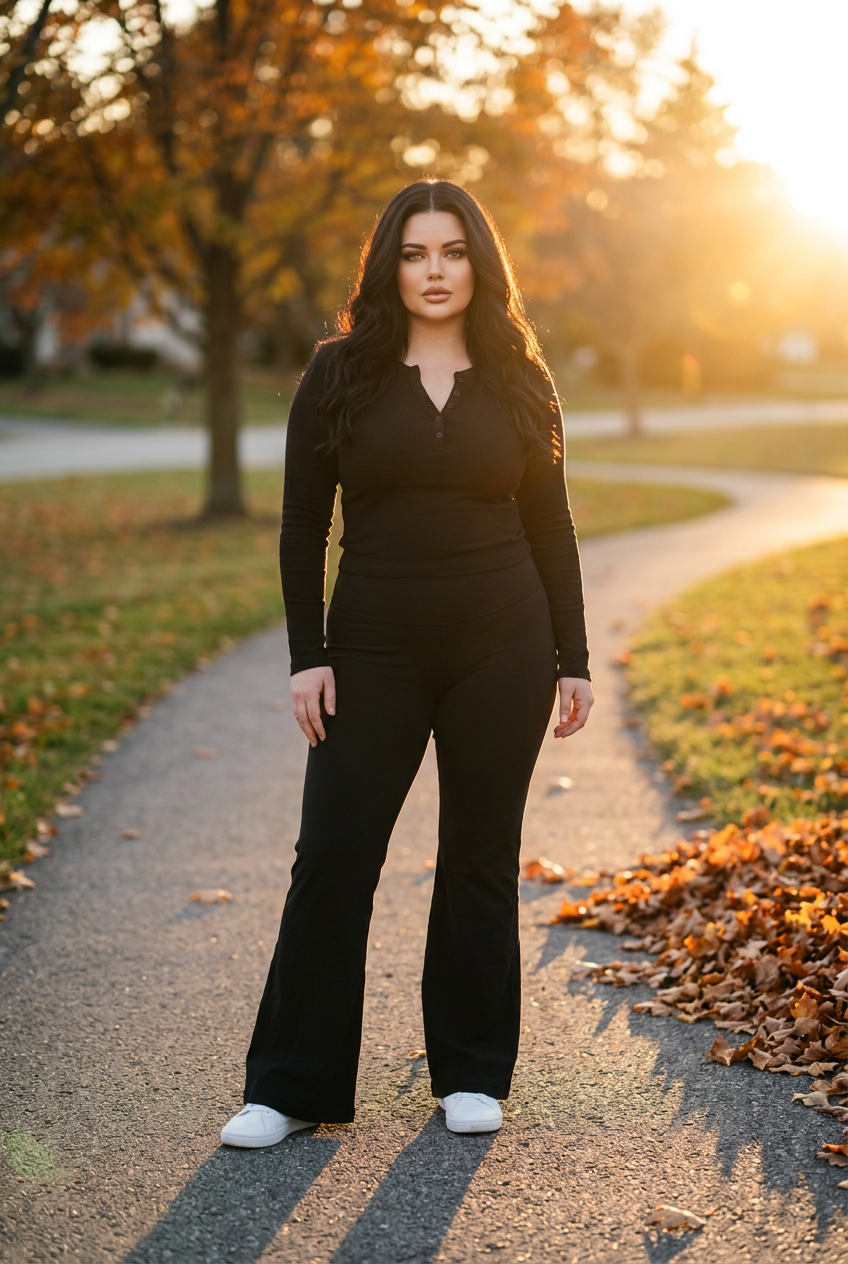
Bamboo-based knits tend to drape more softly. They follow the body rather than standing away from it, which can create a flattering line without the pressure of a stiff fabric. When combined with a little stretch and thoughtful tailoring, bamboo is especially well suited to comfortwear, relaxed pants, and pieces meant for sitting, walking, stretching, and living.
For many mature women, this is where the choice becomes practical. Comfort is not about dressing down. It is about wearing clothes that honor the body you have now, not the body a garment expects you to have. A soft, flexible fabric can make a polished outfit feel more natural from the inside out.
Wrinkles, Washing, and Real-Life Care
Linen wrinkles. This is one of its most recognizable traits, and it is worth treating honestly. Some women enjoy the relaxed, softly rumpled look because it feels easy and unforced. Others prefer a smoother appearance and do not want to iron or steam before leaving the house. Neither preference is wrong.
Bamboo fabric is usually more resistant to wrinkling, especially in knit garments. It often comes out of the wash looking smoother and may be easier to wear right away. This makes it a practical choice for travel, everyday pants, and favorite pieces that see frequent rotation.
Care still matters. Bamboo viscose garments commonly benefit from cool water, a gentle cycle, and low heat or air drying to help preserve softness, shape, and color. Linen is also best washed gently, though it can become softer with regular laundering. High heat may cause either fabric to shrink, so reading the care label is a small habit that protects a garment you love.
The Sustainability Question Needs a Thoughtful Answer
Linen comes from the flax plant, which can grow with relatively modest water and chemical inputs in suitable climates. The fiber is durable, and a well-made linen garment can remain in a wardrobe for years. These qualities make linen a meaningful option for women who value fewer, better pieces.
Bamboo is a fast-growing plant, but the journey from bamboo stalk to soft fabric deserves attention. Most bamboo apparel is made through a processing method that turns bamboo pulp into viscose or rayon. The environmental impact depends greatly on how the material is sourced and manufactured, including the chemicals used and how they are managed. A bamboo label alone does not tell the full story.
The most responsible choice is usually not about chasing a perfect fabric. It is about choosing thoughtfully made clothing, caring for it well, and wearing it often. A pair of comfortable pants that becomes part of your weekly routine may serve you better than a supposedly sustainable item that stays unworn because it never feels quite right.
When Linen Is the Better Choice
Choose linen when you love a relaxed, textured look and want a fabric with natural structure. It is lovely for warm-weather dresses, button-front shirts, wide-leg pants, and occasions where a few wrinkles feel like part of the charm. Linen also makes sense when long-term durability and a more tailored silhouette are your first priorities.
It can be especially satisfying for slow summer days, coastal trips, and outfits where the fabric itself adds visual interest. If you enjoy the ritual of steaming a garment or are comfortable embracing a naturally rumpled finish, linen has a character that is difficult to replace.
When Bamboo Fabric Is the Better Choice
Choose bamboo fabric when softness, flexibility, and easy day-long wear lead your list. It is particularly well suited to lounge-to-outside pieces, comfortable pants, sleepwear, and gentle layers that need to move with you. For women who prefer clothing with less scratch, less stiffness, and less fuss after washing, bamboo can feel like a daily luxury that is still practical.
At Eco Golden Comfort, that kind of ease guides the idea of plant-based comfortwear. A well-made bamboo pant is not meant to ask for special occasion treatment. It is made for the grocery store, a morning walk, coffee with a friend, and the quiet hours when you simply want to feel at home in your clothes.
A Simple Way to Decide
Ask yourself what you want your clothing to do most often. If you want cool structure and a textured, relaxed look, linen may be the fabric you reach for. If you want a soft, smooth feel with flexible movement and a more wrinkle-resistant finish, bamboo fabric may better support your everyday routine.
The best fabric is the one that lets you move through your day with less distraction and more ease. That is not indulgence. It is a sensible, deserved form of care.