
Are Bamboo Clothing Brands Worth the Price? 2026 Review

Table of Contents
- The Bamboo Clothing Verdict: What $50-$70 Actually Buys You
- Bamboo Clothing Pros and Cons for Everyday Wear
- Bamboo Viscose vs Organic Cotton: Which Fabric Earns Its Price Tag?
- Bamboo Clothing Durability: How It Holds Up After Multiple Washes
- How to Wash Bamboo Clothing So It Lasts Longer
- Cost-Per-Wear: The Math That Answers the Price Question
- Bamboo Clothing for Sensitive Skin and Skin Conditions
- Conclusion: When Bamboo Clothing Is Worth It (and When It Isn't)
- Frequently Asked Questions
Last Updated: October 1, 2026
The Bamboo Clothing Verdict: What $50-$70 Actually Buys You
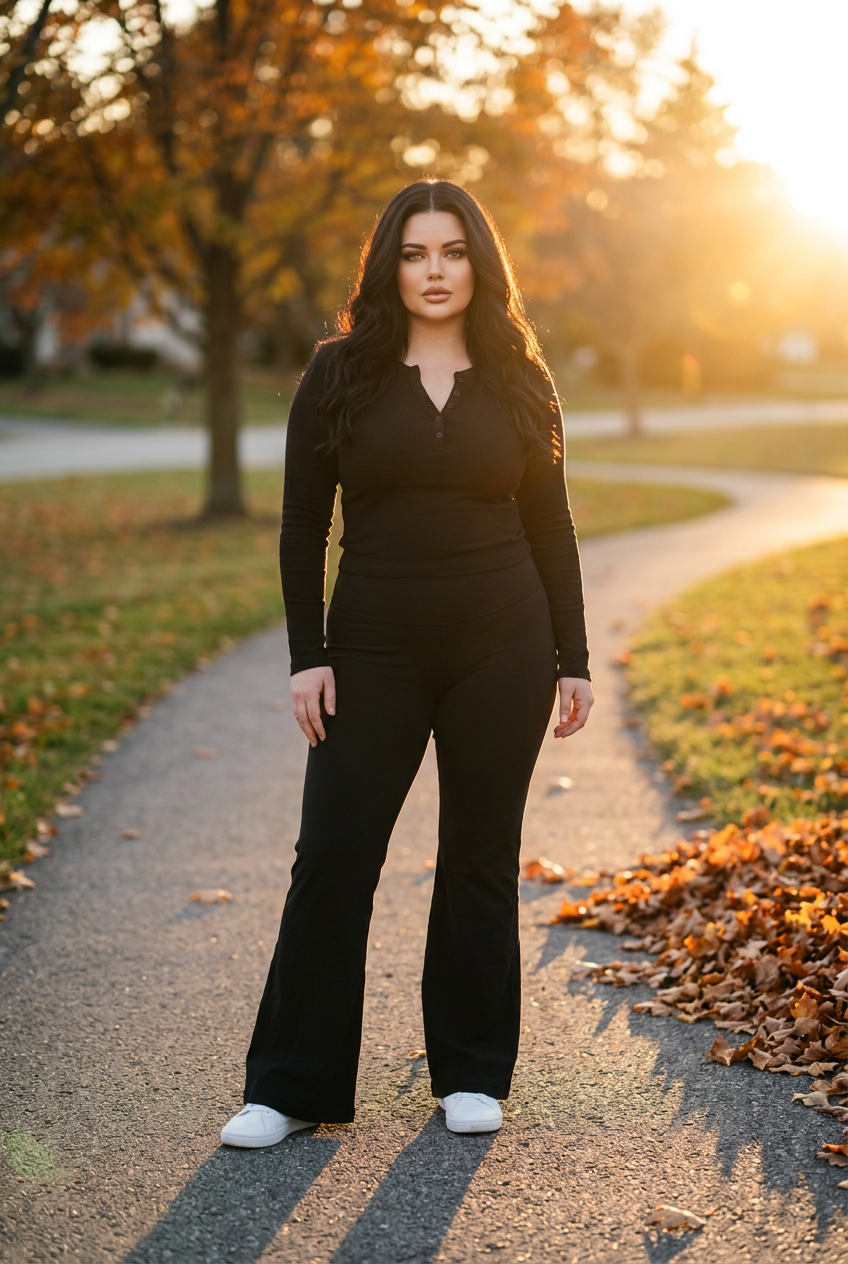
Are bamboo clothing brands worth the price for everyday wear? For most women who prioritize breathability, softness, and skin-friendly fabrics, yes, provided you understand what you are buying. At Ecogoldencomfort, we have spent decades manufacturing plant-based garments and watched this category become a genuine alternative to conventional cotton and synthetics.
Bamboo Clothing Pros and Cons for Everyday Wear
Bamboo clothing offers exceptional breathability, natural thermoregulation, and softness that rivals premium cotton, but it demands careful washing and can pill if the blend is low quality.
What Works: Breathability, Softness, and Thermoregulation
Bamboo's fiber structure is naturally porous, letting air move through the fabric and moisture wick away from skin, which is why so many women with sensitive skin or hot flashes reach for it first. It keeps you cool in summer and warm in winter, a quality known as thermoregulation.
What Falls Short: Pilling, Care Requirements, and Price
Pilling is the most common complaint, and it usually traces back to fabric quality rather than bamboo itself. Low-grade viscose with a short staple length sheds fibers quickly; a well-constructed blend resists far better.
Bamboo Viscose vs Organic Cotton: Which Fabric Earns Its Price Tag?
Bamboo viscose and organic cotton each have a place, but they behave differently against your skin and in your washing machine, and how bamboo becomes fabric matters more than the plant it started as. This is the part most buying guides skip, and it determines whether a premium price is honest or greenwashed.
How Bamboo Becomes Fabric: Three Routes, Three Outcomes
Bamboo culm is a hard, woody grass. Turning it into wearable cloth requires extracting the fiber, and there are three established routes:
- Mechanical (crushed) processing. Stalks are crushed and enzymes break down the woody tissue, leaving a natural fiber spun much like linen or hemp. Least chemically intensive, but labor-intensive, coarser, and rare in mass-market apparel.
- Viscose / rayon processing. Bamboo is dissolved in a chemical solvent (commonly sodium hydroxide and carbon disulfide) into pulp, then extruded through spinnerets into filaments. This is what the vast majority of "bamboo" clothing actually is, even when the label just says "bamboo." It produces the silky drape shoppers love, but solvent handling and wastewater treatment at the mill determine the real environmental cost, not the plant itself.
- Lyocell (closed-loop) processing. This fiber uses an amine-oxide solvent in a system that recaptures and reuses the vast majority of the solvent rather than releasing it. The Federal Trade Commission treats lyocell and viscose as distinct fiber categories, and the closed-loop method gives lyocell a different environmental profile than conventional viscose.
What This Means for the Price Tag
A garment labeled "bamboo" with no further detail is almost always viscose. That is not automatically bad, a well-run viscose mill with solvent recovery and clean wastewater can produce a responsible fabric. But the label alone does not tell you which mill you are buying from, and that ambiguity is where greenwashing lives.
| Feature | Bamboo Viscose | Lyocell (Closed-Loop) | Organic Cotton |
|---|---|---|---|
| Softness | Silky, fluid drape | Silky, slightly crisper | Crisp, softens over time |
| Breathability | High, moisture-wicking | High, moisture-wicking | High, absorbs moisture |
| Thermoregulation | Excellent | Excellent | Moderate |
| Pilling risk | Higher in low-grade blends | Lower | Lower |
| Solvent recovery | Varies by mill | High (closed-loop) | Not applicable |
| Biodegradable | Yes (if no synthetic blend) | Yes (if no synthetic blend) | Yes |
| Best for | Sensitive skin, lounging, everyday wear | Everyday wear, longer lifespan | Structured garments, heavy use |
The Blend Question
A blend of bamboo and organic cotton often outperforms either alone. That is the approach we take at Ecogoldencomfort, pairing bamboo with organic cotton so you get softness plus structure. The organic cotton adds dimensional stability, keeping a bamboo-heavy garment from stretching at the knees, while the bamboo supplies drape and breathability.
How to Vet a Brand's Processing Claims
Because "bamboo" on a hangtag does not disclose the processing route, look for brands that volunteer the information. A brand confident in its supply chain will state the fiber type (viscose vs. lyocell), name its certification, and describe how the mill handles solvent and wastewater. If a brand markets "bamboo" heavily but goes quiet when you ask how the fiber is made, that silence is the answer.
Bamboo Clothing Durability: How It Holds Up After Multiple Washes
Bamboo clothing holds up well over repeated washes when the fabric is dense and the blend is balanced, but thin, cheap viscose can pill within months. Tensile strength matters: bamboo has good tensile strength when the fiber is long, and that strength keeps a garment from stretching at the knees or waist.
How to Wash Bamboo Clothing So It Lasts Longer
Washing bamboo clothing correctly means cold water, a gentle cycle, and air drying whenever possible. Heat is the enemy, so skip the hot dryer and hot iron.
Here is a simple routine that protects the fabric:
Riko Sport Pant | Plum | Eco Golden →
- Turn garments inside out before washing to reduce surface friction
- Use cold water on a gentle or delicate cycle
- Choose a mild, bleach-free detergent
- Skip fabric softener, which coats the fibers and reduces breathability
- Lay flat or hang to dry away from direct sun
- If ironing is needed, use the lowest heat setting and a pressing cloth
Cost-Per-Wear: The Math That Answers the Price Question
Cost-per-wear is the price of a garment divided by the number of times you actually wear it. A $70 pant worn twice a week for two years costs about 67 cents per wear. A $25 fast-fashion pant worn five times before it pills costs $5 per wear.
| Garment | Price | Estimated Wears | Cost Per Wear |
|---|---|---|---|
| Riko Sport Pant (Plum or Olive) | $50.00 | 100+ | $0.50 |
| Umi Jogger | $55.00 | 100+ | $0.55 |
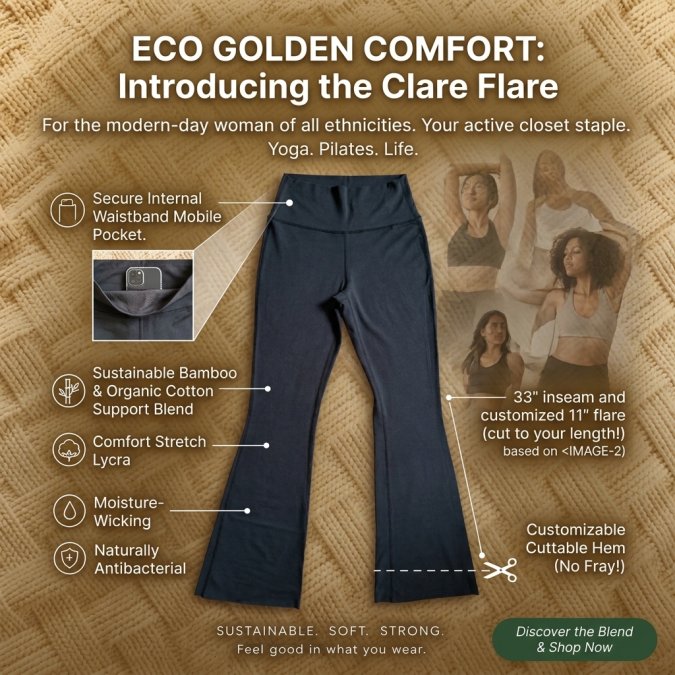
| Clare Flare | $70.00 | 150+ | $0.47 |
Bamboo Clothing for Sensitive Skin and Skin Conditions
Bamboo clothing suits sensitive skin because the fiber is naturally smooth, hypoallergenic, and resistant to odor- and irritation-causing bacteria. There is no rough surface to rub against skin, and the fabric breathes, reducing the moisture that triggers chafing. But for people managing eczema, rosacea, psoriasis, or autoimmune-related sensitivity, the fiber is only half the story, the finish and dye are the other half, and that is where most guides stop short.

Why the Fiber Itself Helps
At a microscopic level, bamboo fiber is smoother than cotton, so it glides across skin rather than catching, which matters for anyone whose skin barrier is already compromised, since friction is a common flare-up trigger. The fiber is also naturally porous, letting air move through and pulling moisture away instead of trapping it. Less trapped moisture means less of the warm, damp environment where odor-causing bacteria and irritation thrive.
The Part Most Guides Miss: Dyes and Finishes
A natural fiber does not guarantee a gentle dye, the single most overlooked factor for reactive skin. Two bamboo garments can be identical in fiber content and behave completely differently on your skin depending on how they were dyed and finished.
- Reactive dyes bond chemically to the fiber and rinse cleaner, leaving less loose dye on the surface to transfer to skin.
- Heavy synthetic finishes, added for wrinkle resistance, stain resistance, or hand-feel, sit on top of the fabric and commonly cause contact irritation, whatever the base fiber.
- Azo dyes and certain metal-based mordants are the categories most often flagged in dermatology literature as triggers, which is why transparency about the dye process matters more than the fiber name on the tag.
A Practical Patch-Test Approach
Because skin sensitivity is individual, judge a garment the way you would test any new skincare product:
- Wear it for an hour or two before committing to a full day.
- Wash once in fragrance-free, dye-free detergent before the first extended wear to remove residual processing agents.
- Watch seams and waistbands, which concentrate friction and are often where irritation first appears.
- If you react, note whether it tracks the fabric or the dye, a reaction that fades after the first wash points to surface residue, a persistent one to the fiber or dye itself.
What to Expect on the First Wear
For most people with sensitive skin, a smooth fiber, a clean dye process, and a breathable bamboo-and-organic-cotton blend make the premium price defensible. The fiber gets you part of the way; the finish gets you the rest.
Conclusion: When Bamboo Clothing Is Worth It (and When It Isn't)
Bamboo clothing is worth the price when you wear it often, when your skin is sensitive, and when you want a fabric that breathes through a long day. It is not worth it if you wash everything hot and tumble dry, or want a structured, tailored look that bamboo's fluid drape will not deliver.
Shop the collection and feel the difference for yourself.
Frequently Asked Questions
Is bamboo clothing actually good for everyday wear?
Bamboo clothing works well for daily wear because the fiber structure creates natural breathability and moisture-wicking properties. It regulates temperature, so you stay comfortable indoors and outdoors. The fabric feels soft against skin, which matters for all-day comfort. However, quality varies significantly. Look for brands that blend bamboo with organic cotton and a small amount of spandex for durability. Pure bamboo viscose alone tends to pill faster. A well-made bamboo blend pant can handle regular washing and wearing without losing shape.
Why is bamboo clothing more expensive than cotton?
Bamboo clothing costs more because the manufacturing process is complex. Turning bamboo into soft fabric requires either chemical solvents in a closed-loop system or mechanical processing, both of which add cost. Organic cotton, while also sustainable, has a more established supply chain that reduces production expenses. The price difference also reflects quality: bamboo fabric that skips shortcuts tends to last longer, resist odors naturally, and feel softer than standard cotton. Cost-per-wear often makes bamboo competitive over time.
How does bamboo clothing hold up after multiple washes?
Bamboo clothing holds up well when washed correctly. Machine wash cold on a gentle cycle and lay flat or tumble dry low. Avoid fabric softeners and bleach, which break down fibers. High-quality bamboo blends actually get softer with each wash. Pilling is the main concern, especially with lower-quality viscose. Blends with organic cotton and spandex resist pilling better than pure bamboo. Following care instructions extends garment longevity significantly, often to two or more years of regular wear.
What should I look for when buying bamboo clothing?
Check the fabric composition first. A blend of bamboo, organic cotton, and a small percentage of spandex offers the best balance of softness, breathability, and durability. Look for transparency about processing methods. Brands using closed-loop systems reduce chemical waste. Check for certifications like OEKO-TEX, which verifies the fabric is free from harmful substances. Read reviews about fit and pilling. Finally, calculate cost-per-wear rather than comparing sticker prices alone.
Is bamboo fabric truly sustainable compared to organic cotton?
Bamboo grows quickly without pesticides, making it a renewable resource. However, the sustainability of bamboo fabric depends on how it is processed. Chemical-heavy viscose methods generate toxic waste unless a closed-loop system captures solvents. Organic cotton uses less water than conventional cotton and avoids synthetic pesticides, but it requires more land. Lyocell bamboo, processed in a closed loop, ranks among the most sustainable textile options. Always research a brand's manufacturing transparency before assuming eco-friendly claims are accurate.