Natural Fiber Clothing: A Guide to Breathable, Sustainable Fabrics

Table of Contents
- What Natural Fiber Clothing Actually Means
- Best Natural Fabrics for Clothing: Fiber by Fiber
- Natural Fiber Clothing Brands Worth Considering
- Non-Toxic Clothing: What Hidden Synthetics and Dyes Mean for Your Skin
- Performance, Care, and Longevity: Making Natural Fiber Clothing Last
- Frequently Asked Questions
Last Updated: October 12, 2026
What Natural Fiber Clothing Actually Means
Natural fiber clothing is made from materials sourced directly from nature, plants, animals, or regenerated plant cellulose, rather than synthetic polymers. At Ecogoldencomfort, we believe understanding what goes into your clothing is the first step toward making choices that feel good on your skin and align with your values.
The distinction matters more than marketing language suggests. Natural fiber clothing breathes differently than synthetics, responds to moisture in ways that keep you comfortable, and breaks down when you're done wearing it instead of persisting in landfills for centuries. But not all natural fibers perform the same way, and not all are equally sustainable.
Plant-Based Fibers
Plant-based fibers come from the stems, seeds, or leaves of plants. Cotton is the most familiar, it's been grown for thousands of years and remains the foundation of most wardrobes. Linen, hemp, and bamboo are also plant-derived, each with distinct properties that affect how they feel, wear, and age.
These fibers share a common advantage: they're renewable. A cotton plant grows back each season. Linen comes from flax, which regenerates annually. Hemp is one of the fastest-growing plants on earth, requiring minimal water or pesticides to thrive. The challenge with plant fibers isn't their existence, it's how they're processed and whether synthetic dyes or chemical finishes are added during manufacturing.
Animal-Based Fibers
Wool, silk, cashmere, and alpaca all come from animals. Wool grows on sheep and regrows each year. Silk is produced by silkworms as they spin cocoons. Cashmere comes from the undercoat of cashmere goats. These fibers have properties that plant-based materials can't replicate: natural elasticity, temperature regulation, and a softness that develops over time rather than diminishing.
The ethical and environmental questions around animal fibers are real and worth considering. Wool production can involve harsh practices, though regenerative sheep farming exists and is growing. Silk production traditionally kills silkworms, though some ethical producers now use alternatives. The fiber itself, once produced, is biodegradable and durable, a single wool sweater can last decades.
Regenerated Cellulose Fibers
Bamboo, viscose, Tencel, and lyocell are made from plant material that's been chemically processed into fiber. The source is natural, but the transformation is industrial. Bamboo viscose, for example, starts with bamboo pulp that's dissolved in sodium hydroxide and carbon disulfide, then reconstituted as fiber.
This category blurs the line between natural and synthetic. The fiber itself is plant-derived, but the manufacturing process introduces chemicals. Tencel and lyocell use closed-loop processes that recycle solvents, reducing environmental impact. Standard viscose is less controlled. Understanding the difference helps you evaluate claims about sustainability.
Best Natural Fabrics for Clothing: Fiber by Fiber
Not all natural fibers suit the same purposes. A fabric that excels in breathability might lack durability. One that feels luxurious might require careful maintenance. Here's how the most common natural fibers actually perform.
Cotton and Organic Cotton Clothing
Cotton is breathable, soft, and forgiving. It absorbs moisture without feeling damp, which is why it dominates summer wardrobes and everyday basics.
Organic cotton clothing performs identically to conventional cotton once it's on your body. The advantage is environmental and chemical-related. If you have sensitive skin or concerns about pesticide residues in fabric, organic cotton eliminates that variable.
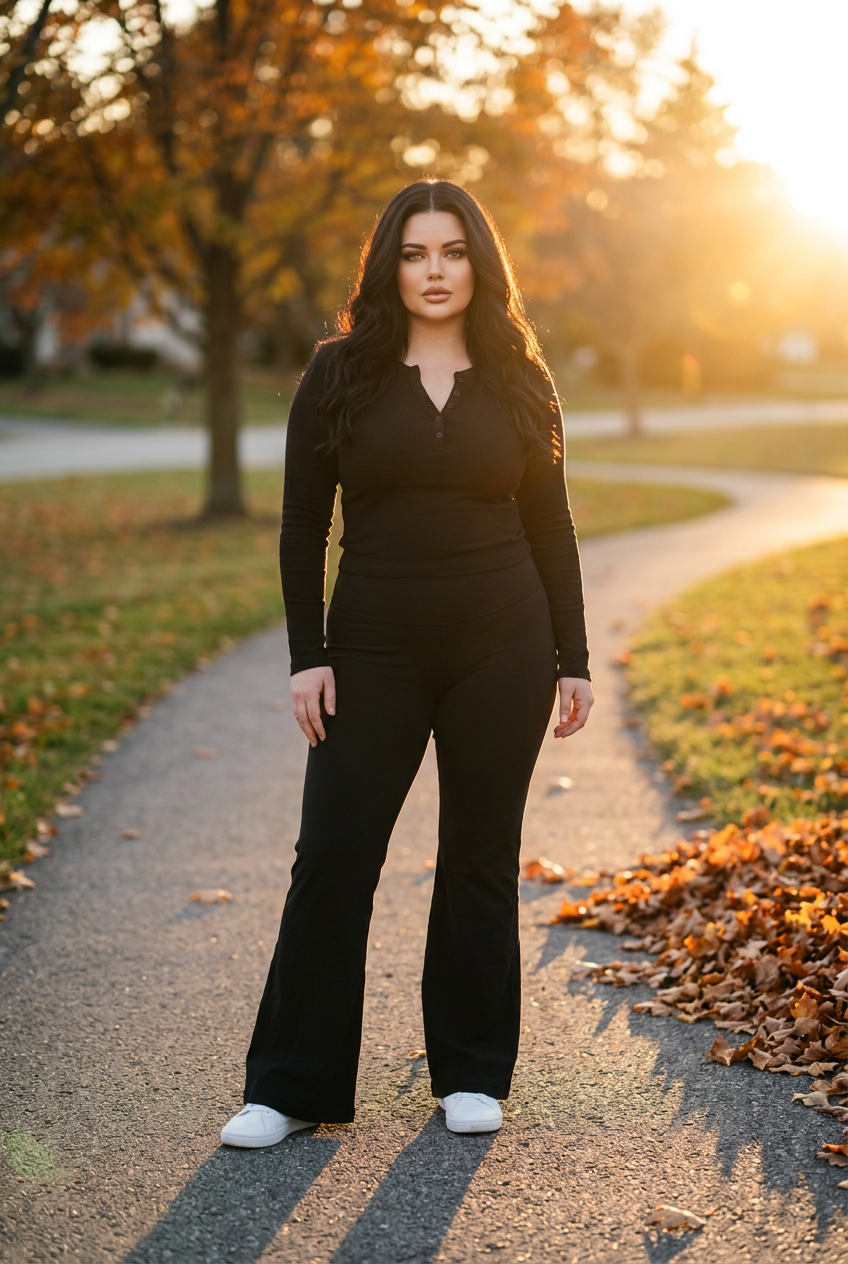
Cotton wrinkles easily and can shrink if not dried carefully. It softens with washing, which many people love. Our Clare Flare combines organic cotton with bamboo to balance softness with durability, creating pants that move with your body without the rigid feel of pure cotton.

Linen: Durability and Breathability
Linen comes from flax plants and is one of the oldest textiles in human history. It's stronger than cotton, which means it lasts longer and actually improves with age. Linen becomes softer and more absorbent after repeated washing, making it an investment piece rather than a disposable garment.
Linen breathes exceptionally well, making it ideal for hot climates or summer clothing. It wrinkles more visibly than cotton, which some people embrace as aesthetic and others avoid. Linen is heavier than cotton, so it drapes differently, less fluid, more structured. For someone seeking natural fiber clothing that will genuinely last, linen is worth the higher price and the wrinkles.
Hemp: Strength and Sustainability
Hemp fiber is incredibly strong and durable. A hemp garment will outlast cotton by years if cared for properly. Hemp grows without pesticides, requires minimal water, and regenerates quickly, making it one of the most sustainable natural fibers available.
The drawback is texture. Pure hemp fabric can feel stiff and coarse until it's been washed many times. Most modern hemp clothing blends hemp with softer fibers like cotton or bamboo to make it wearable immediately. Hemp also takes dyes differently than cotton, so color options are sometimes limited. For activewear or work clothing where durability matters more than initial softness, hemp is an exceptional choice.
Wool and Merino Wool: Temperature Regulation
Wool is nature's insulator. It traps air in its fiber structure, keeping you warm even when damp, a property no plant fiber matches. Merino wool, from merino sheep, is finer and softer than standard wool, making it suitable for next-to-skin wear rather than just sweaters and outerwear.
Wool regulates temperature, meaning it keeps you warm in winter and doesn't overheat you in summer. It's naturally antimicrobial, so wool garments need less frequent washing. The trade-off is care: wool requires gentle washing and proper drying to avoid shrinkage and felting. For someone with a stable climate and the patience for proper care, wool is unmatched for longevity and performance.
Bamboo: Softness and Breathability
Bamboo viscose is exceptionally soft, softer than cotton on first wear. It's breathable and moisture-wicking, making it comfortable for warm weather and sensitive skin. Bamboo grows rapidly without pesticides, and the plant itself is highly renewable.
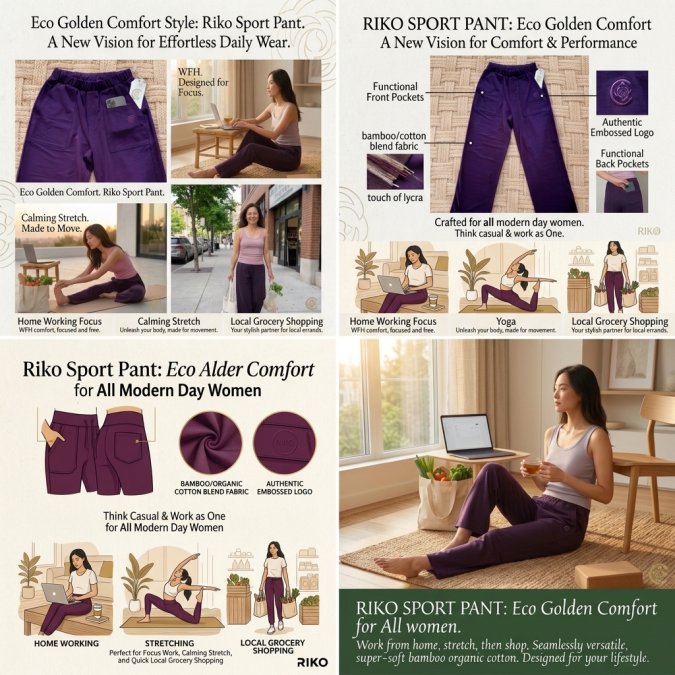
The manufacturing process for bamboo viscose involves chemicals that raise environmental concerns if not properly managed. Closed-loop production exists but is less common. The fiber itself is biodegradable. Bamboo fabric wrinkles less than cotton and maintains its softness through many washes. Our Umi Jogger and Riko Sport Pant both feature our Eco Germ Gard Herbal Bamboo technology, which enhances bamboo's natural properties to keep you feeling fresh, while the biodegradable fabric is as kind to the earth as it is to your skin.
Clare Flare | Sustainable Bamboo Flare | EGC →
Silk and Cashmere: Luxury Natural Fibers
Silk is smooth, lustrous, and incredibly soft. It's temperature-regulating, hypoallergenic, and feels luxurious against skin. Silk is also delicate and requires careful washing and storage. It's expensive and best suited to special pieces rather than everyday wear.
Cashmere is the finest animal fiber available, softer than wool, warmer than cotton, and breathable. A cashmere sweater can last a lifetime with proper care. The cost reflects rarity: cashmere comes from a small percentage of the world's goat population, and harvesting is labor-intensive. For investment pieces, cashmere is worth the price.
Natural Fiber Clothing Brands Worth Considering
When shopping for natural fiber clothing, look beyond fiber type to manufacturing practices, certifications, and fit. A brand that uses organic cotton but employs questionable labor practices isn't aligned with sustainability claims. A brand that sources responsibly but doesn't account for dyes or finishes is missing half the picture.
Ecogoldencomfort stands apart because we've spent decades perfecting the balance between natural softness, real durability, and responsible manufacturing. Our bamboo and organic cotton blends aren't just soft, they're engineered to move with your body and withstand regular washing without pilling or fading. We use Eco Germ Gard herbal bamboo technology to enhance the natural antimicrobial properties of bamboo, so you stay fresh throughout the day.
When evaluating any natural fiber clothing brand, ask specific questions: Where are materials sourced? What dyes are used? Are workers fairly compensated? Does the brand offer transparent information, or do they rely on vague sustainability claims? Real natural fiber clothing brands answer these questions directly.
Non-Toxic Clothing: What Hidden Synthetics and Dyes Mean for Your Skin
Natural fiber clothing isn't automatically chemical-free. This is where greenwashing happens most often.
Even "natural" clothing can contain synthetic dyes, chemical finishes that improve wrinkle resistance or stain protection, and elastic blends that include synthetic components. A pair of pants labeled "organic cotton" might have a polyurethane waistband, synthetic thread, and chemical-laden dyes. The fiber is natural; the finished garment isn't.
If you have sensitive skin or chemical sensitivities, ask manufacturers about their complete material list. Natural fiber clothing should disclose what's in the dyes, what finishes are applied, and what thread and elastic are used. Brands that avoid this conversation are hiding something.
Blends are common in modern clothing. A garment might be 95% bamboo with 5% spandex for stretch. That spandex is synthetic. For most people, this is fine. For those with severe sensitivities, 100% natural fiber options do exist but are rare and expensive. Our Riko Sport Pant includes spandex for flexibility and durability, a practical choice that doesn't compromise the breathability or softness of the bamboo and organic cotton blend.


Performance, Care, and Longevity: Making Natural Fiber Clothing Last
Natural fiber clothing lasts longer when you understand how to care for it. Cotton softens with washing but can shrink if dried hot. Linen improves with washing but wrinkles more.
The longevity question matters financially and environmentally. A garment that lasts five years is more sustainable than one that lasts one year, regardless of fiber.
Natural fiber clothing generally outlasts synthetics because the fibers themselves are more stable. They don't degrade as quickly under UV light or repeated washing.
Care extends longevity dramatically. Washing in cold water, using gentle detergent, air-drying, and storing properly can double the lifespan of natural fiber clothing.
Our natural fiber clothing is designed for this kind of longevity. The bamboo and organic cotton blends we use soften with every wash, meaning your pants get more comfortable, not less.
Natural fiber clothing is a choice to wear materials that feel better, last longer, and align with your values.
Frequently Asked Questions
What's the difference between organic cotton clothing and regular cotton?
Organic cotton is grown without synthetic pesticides, herbicides, or fertilizers, making it gentler on sensitive skin and reducing chemical residue in the final garment. Regular cotton uses conventional farming practices that may leave chemical traces. Both are natural fibers, but organic cotton eliminates exposure to synthetic inputs during production. For those with skin sensitivities, organic cotton clothing offers peace of mind that fewer chemicals touch your skin.
Is bamboo clothing actually a natural fiber?
Bamboo is a natural fiber, but how it's processed matters. Bamboo viscose, the most common form, is made by breaking down bamboo pulp and reconstituting it into fiber. While the source is natural, the process uses chemicals. However, closed-loop production systems minimize chemical release into the environment. Bamboo clothing is softer and more breathable than many plant-based alternatives, making it excellent for sensitive skin and warm climates.
How do I know if clothing is truly made from natural fibers?
Check the fiber content label on the garment's tag. It will list the percentage of each fiber present. Look for terms like 'cotton,' 'linen,' 'hemp,' 'wool,' 'silk,' or 'bamboo viscose.' Be cautious of vague language like 'natural blend', read the exact percentages. If spandex or elastane is listed, that's a synthetic added for stretch. Reputable brands disclose their full fiber composition and sourcing practices, so transparency on the label and company website is a good sign.
Why does natural fiber clothing cost more than synthetic alternatives?
Natural fiber clothing costs more because sustainable sourcing, ethical labor practices, and durability add real value. Quality natural fabrics last longer, breathe better, and feel softer against the skin. Brands using organic cotton or bamboo blends invest in lower-impact production and eco-friendly packaging. While the upfront price is higher, natural fiber garments that hold their shape and comfort through many wash cycles offer better long-term value than cheap synthetic pieces that pill and wear out quickly.