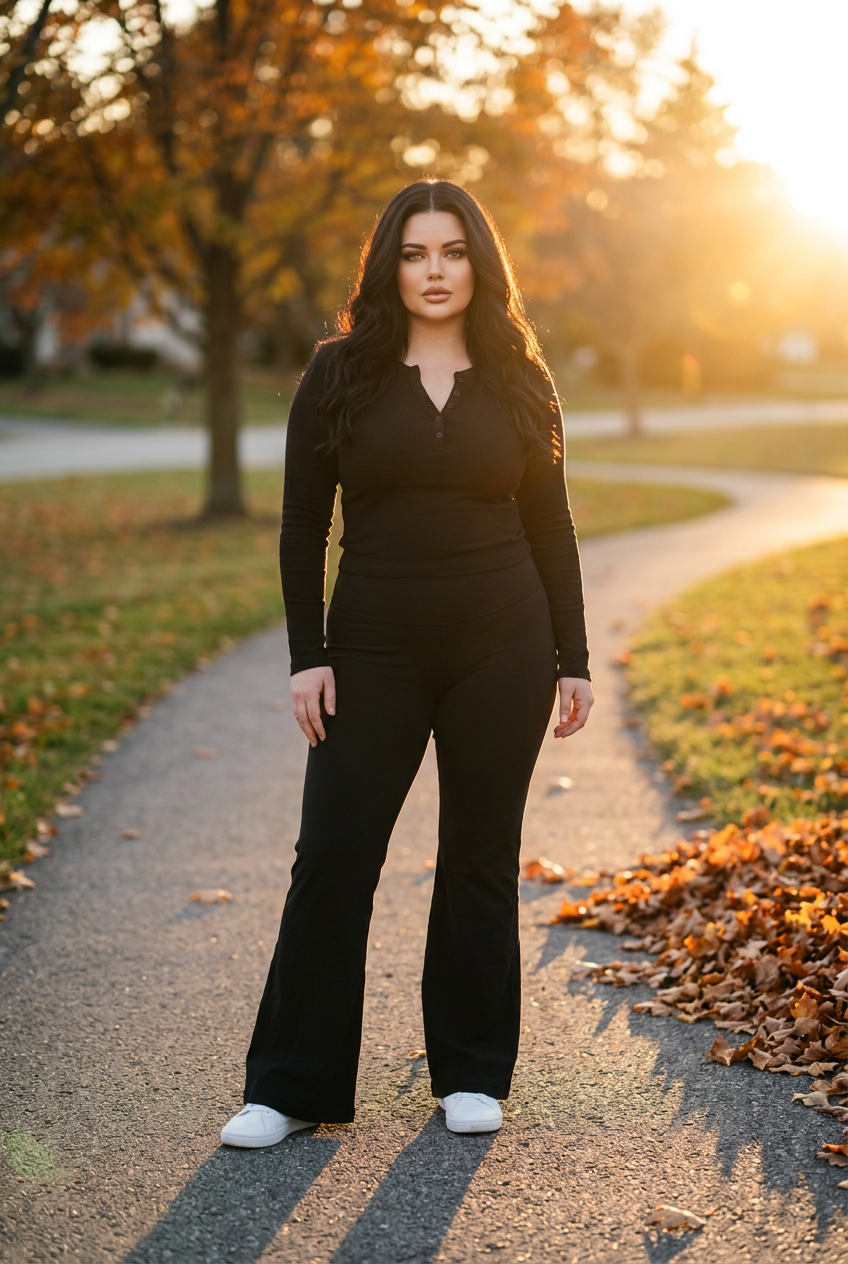

7 Mistakes That Ruin Organic Cotton Clothes in the Wash

Quick Summary
The best laundry detergent for organic cotton is a fragrance-free liquid with plant-based surfactants and no optical brighteners, dosed to the lower end of the recommended range. Skip fabric softener, since it coats fibers and reduces breathability. Wash in cool or warm water on a gentle cycle to protect the fabric's softness.
- Choose a fragrance-free formula, since fragrance oils can leave residue on organic cotton fibers.
- Avoid optical brighteners, which build up over repeated washes and can cause uneven color shifts.
- Liquid detergent dissolves more fully than powder, so it is less likely to leave granules trapped in the fabric.
- Measure to the line for your load size and water hardness instead of using the maximum amount.
- Skip fabric softener, because it reduces the breathability that organic cotton is valued for.
Table of Contents
- Why Detergent Choice Matters More for Organic Cotton
- Ingredients to Avoid in Detergents for Natural Fibers
- Liquid vs. Powder: Which Works Better on Organic Cotton
- How to Wash Organic Cotton Clothes Without Losing Softness
- How to Prevent Clothing Pilling on Organic Cotton
- Laundry Care for Bamboo Fabric Blends
- Choosing a Detergent for Your Next Wash
- Frequently Asked Questions
Why Detergent Choice Matters More for Organic Cotton
Organic cotton is a gentler fiber than conventional cotton, and it responds differently to what you put in the wash. Many people assume any detergent will do, but the wrong formula can leave residue, dull the fabric, and shorten its life. The right choice protects the softness and breathability you bought the garment for.
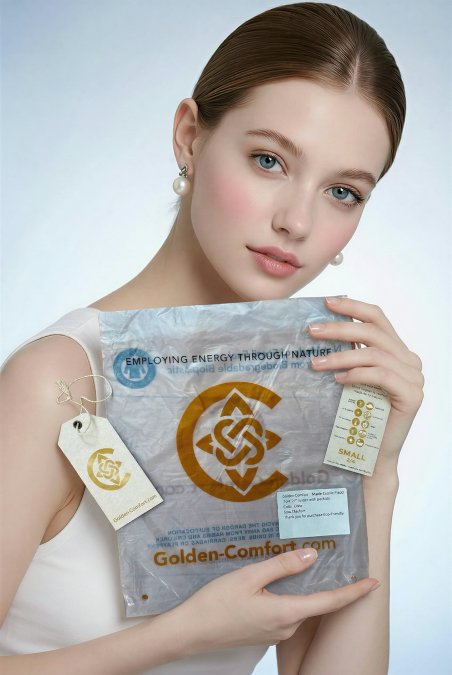
Organic cotton is grown without synthetic pesticides and processed with fewer harsh chemicals. That makes it sensitive to heavy residues. A detergent that leaves a film on the fibers traps odor, reduces breathability, and makes the fabric feel stiff over time. At Ecogoldencomfort, our soft bamboo and organic cotton pants are made for natural comfort, and that comfort is best kept with gentle care through the full wash cycle.
Ingredients to Avoid in Detergents for Natural Fibers
Not every "natural" label means a detergent suits natural fibers. Some formulas use strong synthetic fragrances, optical brighteners, and high levels of surfactants that cling to cotton and bamboo fibers. The difference between a marketing claim and a real fiber risk often comes down to how an ingredient behaves after the wash cycle ends.
Here is what to watch for on the ingredient list, and why each one matters for organic cotton specifically:
- Synthetic fragrance. Fragrance-free formulas avoid the residue that fragrance oils can leave on fabric.
- Optical brighteners. These fluorescent dyes absorb ultraviolet light and re-emit it as visible blue-white light, creating the illusion of whiter fabric. They do not clean anything. On organic cotton, they build up over repeated washes and can cause uneven color shifts, especially on undyed or naturally tinted garments.
- Chlorine bleach. Sodium hypochlorite attacks cellulose fibers directly. On organic cotton, repeated bleach exposure weakens the fiber structure and accelerates yellowing and thinning. Oxygen-based bleach (sodium percarbonate) is a gentler alternative for whitening and stain removal.
- Heavy fillers. Powders often use sodium sulfate or similar fillers to add bulk. These dissolve poorly in cold water and can leave a chalky residue in the weave, making fabric feel rough. Liquid formulas typically contain fewer fillers.
- Fabric softeners and conditioning agents. Quaternary ammonium compounds coat fibers with a lubricating film. That film feels soft at first but reduces absorbency and breathability, and it can trap detergent residue against the skin. For organic cotton, skipping softener is usually the better choice.
Liquid vs. Powder: Which Works Better on Organic Cotton
For most organic cotton and bamboo blend garments, a liquid detergent is usually the easier choice. Liquids are generally easier to dissolve fully in cold or warm water, so they are less likely to leave granules trapped in the fabric. That matters for delicate weaves and for anyone with sensitive skin.
Powders can work well, especially for heavily soiled loads, and they often cost less per load. The main concern is dissolution. If a powder does not fully dissolve, it can leave residue that makes fabric feel rough. To reduce that risk, dissolve powder in water before adding garments, and avoid using it on cold cycles.
But format alone does not determine performance. Two factors matter more than the liquid-versus-powder question: water hardness and dosing accuracy.
Water hardness. In hard water, the calcium and magnesium ions bind with detergent surfactants and reduce their cleaning power. Powder detergents often contain water softeners (builders) that help counteract this, while many liquid formulas rely on the surfactant load alone. If you have hard water and use a liquid, you may need a slightly higher dose or a detergent formulated for hard water. If you use powder in soft water, reduce the dose to avoid residue.
Dosing accuracy. Over-dosing is the most common cause of residue and stiffness on organic cotton, regardless of format. Liquid caps make it easy to over-pour; powder scoops make it easy to heap. Measure to the line for your load size and water hardness, not to the maximum recommended amount.
A practical approach for organic cotton: start with a fragrance-free liquid, dose to the lower end of the recommended range, and adjust upward only if you see soil remaining after the wash. If you prefer powder for cost or stain-fighting, pre-dissolve it in warm water and use a warm cycle rather than cold. Either format can work well when the dose matches your water and your load.
How to Wash Organic Cotton Clothes Without Losing Softness
Washing technique affects softness as much as detergent choice does. These steps help protect your pants:
- Turn garments inside out to reduce friction on the outer surface.
- Use cold or warm water, not hot, to limit fiber stress and shrinkage.
- Choose a gentle or delicate cycle with a moderate spin speed.
- Measure detergent carefully. Using more than the label recommends is a common reason fabric feels stiff.
- Skip fabric softener. It coats fibers and reduces the breathability that bamboo and organic cotton are valued for.
- Air dry when possible, or use low heat in the dryer.
A common mistake is overloading the machine. Tight loads create friction and uneven cleaning, which both wear down soft fibers faster.
How to Prevent Clothing Pilling on Organic Cotton
Pilling happens when short fibers work loose and form small balls on the fabric surface. See the specific causes and prevention steps for pilling. Find out whether fabric softener contributes to the problem. Friction in the wash and drying cycles drives most of it. Fabric softener can make the problem worse by weakening fiber bonds, while frequent machine drying adds heat and tumbling that speed up pilling.

To reduce pilling, wash organic cotton pants with similar fabrics, use a gentle cycle, and air dry. If pills do form, a fabric shaver removes them gently without damaging the garment.
Laundry Care for Bamboo Fabric Blends
Bamboo blends need the same gentle care as organic cotton, and they respond well to a mild, fragrance-free detergent. Bamboo fibers can feel silky, and harsh formulas or high heat can dull that finish over time.
Wash bamboo blends in cool water, avoid bleach, and air dry flat or on a hanger to keep their shape. Follow the care label on each garment, since blend ratios vary. For a more complete routine covering drying and storage, read our bamboo fabric care guide.
Choosing a Detergent for Your Next Wash
When you compare detergents for organic cotton, focus on a short list of criteria:
| Factor | What to Look For |
|---|---|
| Fragrance | Fragrance-free or lightly scented |
| Form | Liquid for most garments, powder if fully dissolved |
| Ingredients | Plant-based surfactants, no optical brighteners |
| Dosing | Use the recommended amount, not more |
| Softeners | No fabric softener needed |
Watch out: Over-dosing is the most common cause of residue. Measure carefully, even with a detergent you already trust.
A simple, fragrance-free formula used with gentle washing habits is a practical choice for organic cotton. Contact the team with questions about care or fit.
Frequently Asked Questions
Is liquid or powder detergent better for organic cotton?
Liquid detergent generally dissolves more completely in cool or cold water, which helps it rinse out of natural fibers without leaving residue. Powder can work well in warm water but sometimes leaves granules in the weave. For organic cotton, choose whichever format is fully soluble at your wash temperature and rinses clean. Check that the label states it is suitable for cold washing and that it contains no optical brighteners, which can build up on natural fibers over repeated washes and dull the fabric's natural look.
Does harsh detergent cause pilling on organic cotton?
Harsh detergents with strong surfactants or high enzyme loads can weaken cotton fibers over time, and abrasion during the wash cycle increases friction between garments. Pilling usually results from that combination of fiber weakening and rubbing rather than from one wash. Use a gentle, plant-based detergent at the recommended dose, wash pants inside out, avoid overloading the machine, and use a gentle or delicate cycle to reduce pilling.
What ingredients should I avoid in laundry detergent for natural fibers?
Look for detergents without synthetic fragrance, optical brighteners and chlorine bleach, since these can leave residue or irritate sensitive skin. Be cautious with heavy enzyme blends if you have sensitive skin, and check that the ingredient list is fully disclosed. Plant-based surfactants are generally a gentler choice for organic cotton and bamboo blends, though no label guarantees a specific result, so reading the full ingredient list is the most reliable check.
Keeping your organic cotton and bamboo pants soft is mostly about small, consistent habits. Choose a gentle detergent, wash in cool water, and skip the softener, and your pants will keep the comfortable, breathable feel that made you choose them in the first place. Eco germ gard products also suit a low-impact routine for the rest of your laundry and home.