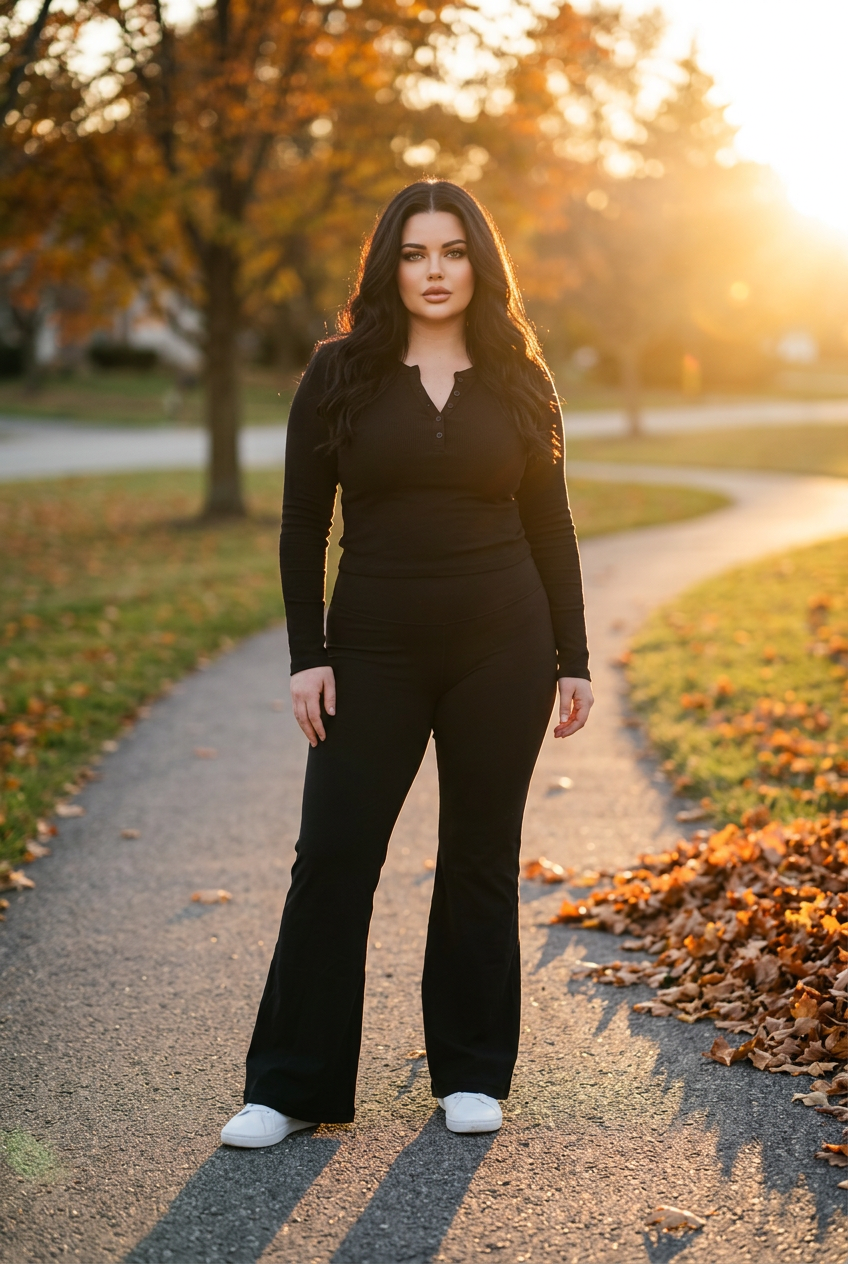

Flattering Pants for Mature Women That Feel Good

A waistband that pinches by lunchtime, fabric that clings in the wrong places, hems that make every shoe feel complicated - none of these belong in a well-loved wardrobe. The best flattering pants for mature women offer something much better: ease in motion, a shape that feels balanced, and enough polish to carry you through a full day comfortably.
Flattery is not about hiding your body or dressing by a list of old-fashioned rules. It is about choosing pants that work with your proportions, your routines, and the way you want to feel. A good pair lets you move freely, sit comfortably, and step out the door without tugging at the fabric or second-guessing the fit.
What Makes Pants Truly Flattering?
A flattering pant creates a clean line without demanding a certain body type. The rise sits where it feels supportive, the fabric drapes instead of fighting the body, and the leg shape brings balance to the overall silhouette. When those details are right, getting dressed becomes simpler.
For many women, comfort is also a practical part of looking put together. If you are constantly adjusting a waistband or avoiding a favorite chair because your pants feel stiff, that discomfort shows. Pants that allow natural movement help you stand taller and feel more at ease, whether you are walking the dog, meeting a friend for lunch, traveling, or spending a quiet afternoon at home.
The goal is not a smaller-looking body. It is a garment that gives your body room to live well.
Start With the Rise and Waistband
The rise is the distance from the crotch seam to the top of the waistband, and it has a meaningful effect on both comfort and proportion. A mid-rise or gentle high-rise pant often works beautifully for mature women because it sits securely through the midsection without cutting across it. It can create a smooth foundation for a tucked-in blouse, a softly draped tunic, or a shorter cardigan.
Very low rises can slip or feel exposing when you bend and sit. On the other hand, an overly high, rigid waistband can feel restrictive, particularly after meals or during long car rides. The right option depends on your torso length and personal preference, but the test is simple: sit down, take a few steps, and breathe naturally. The waistband should stay in place without leaving you eager to change clothes.
Look for wide, flexible waistbands that lie flat rather than narrow elastic that rolls or digs in. A smooth pull-on style can be wonderfully easy, while a front closure may suit women who prefer a more traditional trouser look. Neither is inherently more flattering. What matters is a secure, gentle fit.
Choose a Leg Shape That Balances Your Frame
There is no single best leg shape, but some silhouettes are especially dependable because they create length and movement without feeling trend-driven.
Straight-leg pants offer everyday polish
A straight leg falls in a clean vertical line from hip to hem. It is a reliable choice for casual days, appointments, and occasions that call for something more refined than leggings. Straight-leg pants pair naturally with flat shoes, loafers, sneakers, ankle boots, and low heels, which makes them one of the most flexible shapes in a wardrobe.
Choose a leg that skims rather than grips the thigh. Too much excess fabric can overwhelm a smaller frame, while a very tight straight leg can feel restrictive. A softly tailored line is usually the sweet spot.
A gentle flare creates lovely proportion
Flare pants are particularly flattering when you want to balance fuller hips or thighs, add visual length to the leg, or bring softness to an outfit. The flare does not need to be dramatic. A modest widening below the knee gives the silhouette a graceful, grounded look while still feeling current.
A pair such as Eco Golden Comfort's Clare Flare can be especially useful when comfort is a priority. The shape feels polished with a simple knit top, yet its relaxed movement suits ordinary life far better than stiff, structured pants. For the most elongated effect, let the hem nearly meet the top of your shoe rather than stopping at the widest part of the calf.
Wide-leg pants need the right drape
Wide-leg pants can feel wonderfully freeing, but fabric matters. A soft, fluid material moves with the body and avoids the boxy effect that can happen with thick or crisp fabric. For a balanced outfit, try a closer-fitting top, a shirt with a partial tuck, or a cardigan that ends near the waistband.
Petite women can absolutely wear wide legs. A full-length inseam, a higher rise, and a shoe with a little visual weight often keep the look intentional. If you prefer a cropped wide leg, choose one that ends above the ankle rather than directly at the broadest point of the calf.
Fabric Is Part of the Fit
Even the most thoughtful cut cannot compensate for fabric that feels hot, scratchy, or overly synthetic. Pants are often worn for hours at a time, which makes their fiber content more than a detail on a label.
Plant-based fabrics such as bamboo and cotton are valued for their softness and breathability. They can help pants feel lighter against the skin and more comfortable across changing temperatures. A touch of stretch supports movement, but the garment should still have enough substance to retain its shape. Too much stretch can lead to bagging at the knees and seat, while too little can make sitting and walking feel unnecessarily difficult.
Pay attention to how the material falls. Matte or softly brushed fabrics often create a calm, refined line. Extremely thin knits may reveal pocket edges or cling to areas you would rather leave unaccented. A slightly weightier, breathable fabric tends to provide more confidence without feeling heavy.
Fit Details That Make a Difference
Small design choices often separate pants you tolerate from pants you reach for repeatedly. Thoughtfully placed pockets should lie flat and not pull open across the hip. A smooth front helps tops drape cleanly. A well-finished hem gives even casual pants a more intentional appearance.
Length deserves the same care. Full-length pants should not pool on the floor, and ankle pants should show a deliberate amount of ankle. If hemming is needed, it is worth doing. The right length can make an affordable, comfortable pair look custom chosen for you.
Color also shapes how versatile pants become. Black, deep navy, charcoal, olive, and warm taupe are easy foundations, especially when you want fewer pieces that work harder. Still, a soft color can be just as flattering. The best shade is one you can wear with the tops you already love and one that makes you feel present, not concealed.
Styling Flattering Pants for Everyday Life
The most useful pants are the ones that adapt without much effort. A straight-leg or sport pant can work with a breathable tee and clean sneakers for errands, then with a textured cardigan and simple jewelry for lunch. A gentle flare looks especially lovely with a hip-length top or a neat button-front shirt. The goal is not to follow a formula but to create enough contrast that each piece has room to shine.
Consider proportions rather than strict rules. If your pants are roomy, a top with some shape at the shoulder or waist can keep the outfit balanced. If your pants are more streamlined, you may enjoy a relaxed tunic or an easy sweater. If you love longer tops, make sure the hem does not land at the widest part of your hip unless the fabric is intentionally draped.
Shoes change the feeling of a pant as well. Supportive sneakers keep sport pants relaxed and practical. Loafers and ankle boots give straight legs structure. A low block heel or sleek flat can make a flare feel ready for dinner or a special gathering, without sacrificing your footing.
A Better Way to Shop for Pants
When shopping online, measurements are more useful than the size on the tag alone. Measure your natural waist, fullest hip, and preferred inseam, then compare them with the brand's sizing information. If you are between sizes, think about the fabric and the fit you want. A structured pant may feel better with a little extra room, while a very stretchy knit may hold its shape more comfortably in the smaller size.
Try new pants at home with the undergarments and shoes you wear most often. Sit, bend, walk, and look at the back view in a mirror if possible. Ask whether the pants support your actual day, not just whether they look nice for a moment. A clear return policy can make this process feel less risky and give you space to choose thoughtfully.
Your wardrobe should make room for your life as it is now: capable, active, and deserving of softness. Choose pants that let you move through the day with comfort at your waist, confidence in your stride, and no reason to rush home to change.