
Choosing Flexible Waist Trousers With Confidence

A waistband can change the whole feeling of getting dressed. When it pinches after lunch, rolls as you sit, or leaves you eager to change the moment you get home, even a beautiful pair of pants is not serving your life. Choosing flexible waist trousers means looking beyond the word “stretch” and finding a pair that supports easy movement, feels kind to your body, and still helps you look polished.
For many women, this becomes more meaningful with time. Bodies change, routines stay full, and clothing needs to keep pace without demanding constant adjustment. The right trousers should feel comfortable for a morning walk, a lunch date, errands, travel, or an afternoon at home - not just for the first five minutes in front of the mirror.
What a Flexible Waistband Should Actually Do
A flexible waistband is not simply an elastic band hidden at the top of a pair of trousers. Its purpose is to give when your body naturally changes through the day, then return gently to shape without digging in. It should stay in place when you walk, bend, sit, and stand, rather than sliding down or gathering awkwardly around the middle.
Look for a waistband with enough width to distribute pressure comfortably. Narrow elastic can sometimes feel tight, especially during long periods of sitting. A wider, thoughtfully constructed waist often feels more secure while creating a smoother line under tops and sweaters.
The amount of give matters, too. Too little stretch can feel restrictive. Too much can leave trousers sagging at the waist by midday. The best balance is a waistband that moves with you while the rest of the garment has enough structure to hold its shape. Comfort should never mean feeling untidy.
Choosing Flexible Waist Trousers for Your Routine
Start with the days you actually live, not an imagined occasion. If you spend time gardening, walking the dog, caring for grandchildren, traveling, or moving between appointments, you may prefer a soft pull-on waist with a relaxed leg and fabric that stretches naturally. If your usual day includes volunteering, meeting friends, or casual work, a more tailored silhouette can offer the same ease with a slightly more refined appearance.
Think about how long you expect to wear them. Trousers that feel fine for a quick errand may not feel as good after several hours in the car or at a restaurant. Sit down while trying them on if possible. Raise your arms, bend your knees, and notice whether the waistband stays comfortable without shifting. These small tests reveal more than standing still in a fitting room ever can.
Also consider whether you prefer a full elastic waist, a partial elastic back, or a pull-on style with a smooth front. A full elastic waist generally offers the most adaptability and ease, while a partial elastic waist may appeal if you enjoy the appearance of more traditional trousers. Neither is universally better. The right choice depends on what makes you feel most comfortable and most like yourself.
Pay Attention to Rise, Not Just Size
The rise is the distance from the crotch seam to the top of the waistband, and it strongly affects all-day comfort. A rise that is too low may slide down when you sit or bend. One that is too high can feel like it reaches farther than you prefer, particularly if the waistband is firm.
Many women find that a mid-rise or a gently higher rise offers dependable coverage and a comfortable place for the waist to rest. This can be especially welcome when your shape changes from morning to evening. The goal is not to disguise your body. It is to choose clothing that honors it without requiring you to tug, pull, or brace against it.
Sizing deserves the same thoughtful approach. Do not choose a smaller size hoping the stretch will compensate. Stretch fabric is meant to provide movement, not to force a close fit. A pair that begins slightly too tight often becomes uncomfortable quickly, and it may not drape as intended. Use measurements alongside the size chart, especially your natural waist and fullest hip, and choose the size that gives you room to breathe.
Fabric Is Part of the Fit
The waistband receives most of the attention, but the fabric determines much of how trousers feel over a full day. Plant-based fibers such as bamboo and cotton are valued for their soft hand feel and breathability. They can be a welcome choice when you prefer clothing that feels less synthetic against the skin.
A fabric with a small amount of stretch can help trousers recover after movement and make sitting, walking, and climbing stairs feel easier. Still, more stretch is not automatically better. Very stretchy material can sometimes cling, lose its shape, or feel less substantial. A blend with a comfortable amount of give and enough weight to drape well often creates the most versatile result.
Consider the season and your personal temperature comfort. Lightweight trousers can feel lovely in warm weather but may be too thin for cooler days or for women who prefer more coverage. Heavier knits offer coziness and a graceful fall, though they may feel warmer when temperatures rise. A breathable, medium-weight fabric is often a practical year-round starting point.
Fabric care is worth checking before you buy. If trousers require special handling that does not suit your routine, they may spend more time in the closet than on your body. Quality should support everyday living, including simple care and reliable wear.
Find a Silhouette That Lets You Move Freely
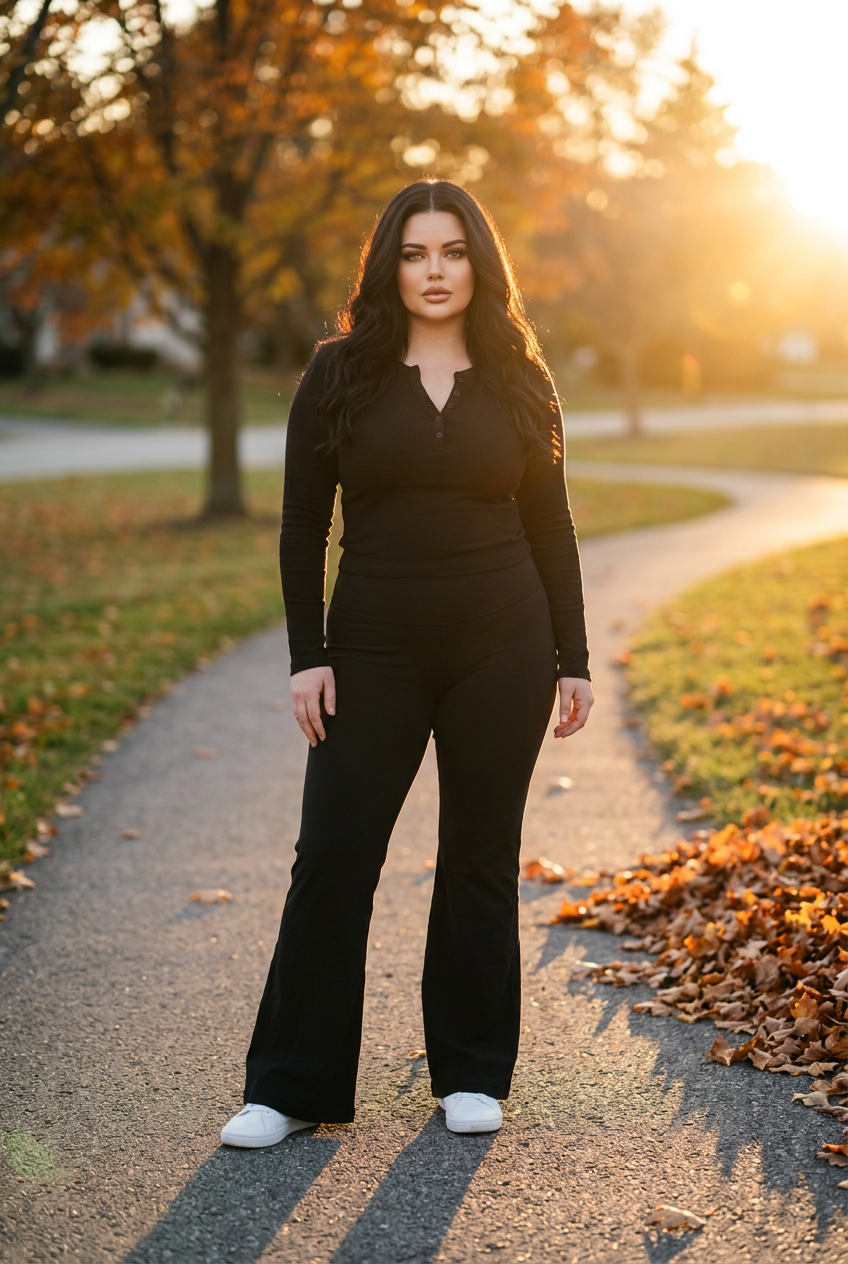
A flexible waist can work beautifully across many shapes of trousers. Straight-leg styles are a dependable choice when you want a clean, balanced look that works with flats, sneakers, or low boots. A gentle flare can create length through the leg and bring an easy sense of polish without feeling overly dressy. Sport-inspired pants may be ideal for walking, travel, and relaxed weekends, particularly when they have a smooth waistband and soft fabric.
The leg shape should leave enough room for your natural stride. If fabric pulls across the thigh or knee when you walk, the trousers may be too narrow or too small, even if the waist feels comfortable. On the other hand, an overly loose fit can sometimes add bulk where you do not want it. Look for a line that skims rather than clings.
Length matters just as much. Trousers that puddle at the ankle can become a tripping concern, while a hem that is too short may interrupt the proportion you enjoy. Try them with the shoes you wear most often. A practical pair should not require a special outfit to make sense.
Small Details Make Daily Wear Easier
Pockets, seams, and finishes may seem minor until you wear a garment repeatedly. Deep, well-placed pockets are useful for carrying a phone, keys, or tissues without changing the line of the trousers. Smooth seams reduce irritation, especially if you are sensitive to scratchy construction or spend long hours seated.
Look at how the waistband joins the body of the pant. Does it lie flat? Does the fabric gather excessively? Does the front stay smooth, or does it create bunching when you sit? These details influence both comfort and confidence.
At Eco Golden Comfort, this kind of consideration is central to creating nature-based comfort for everyday living. A well-made pant should not ask you to choose between feeling at ease and feeling put together.
Let Comfort Be Your Standard
There is no prize for tolerating trousers that leave marks on your waist or make you feel restricted by midafternoon. Clothing is close to the body for hours at a time. It affects how freely you move, how long you want to stay out, and how present you feel with the people around you.
When choosing a new pair, give yourself permission to prioritize the feeling. Notice the softness of the fabric, the calm security of the waistband, and the way the silhouette supports your own style. The best flexible waist trousers are the pair you reach for without hesitation - because they make room for the life you want to live.