
Bluecanoe vs Boody: Quality Comparison

Table of Contents
- Bluecanoe vs Boody: Quick Comparison Table
- Fabric Composition and Material Sourcing
- Durability and Longevity After Multiple Washes
- Comfort, Softness, and Breathability
- Sizing, Fit Accuracy, and Real-Body Design
- Sustainability and Ethical Manufacturing Practices
- How to Care for Bamboo Fabric Garments
- Best Sustainable Bamboo Clothing Brands: Where Ecogoldencomfort Stands
- Frequently Asked Questions
Last Updated: September 26, 2026
Bluecanoe vs Boody: Quick Comparison Table
The choice between Bluecanoe and Boody comes down to fabric composition, durability, and long-term wear performance. This guide breaks down the bluecanoe vs boody quality comparison across the factors that matter most to discerning buyers seeking plant-based comfort wear.
| Aspect | Bluecanoe | Boody | Winner |
|---|---|---|---|
| Fabric Blend | Bamboo viscose + organic cotton | Organic cotton + bamboo | Tie (both use bamboo-cotton blend) |
| Sizing Consistency | Real-body fit design | Standard sizing | Bluecanoe |
| Sustainability Practices | Fair trade certified | Eco-conscious manufacturing | Boody |
| Durability After 50+ Washes | Maintains elasticity well | Moderate pilling risk | Bluecanoe |
| Breathability & Moisture-Wicking | Superior thermoregulating | Good moisture-wicking | Bluecanoe |
| Price Point | Mid-range | Budget-friendly | Boody |
| Best For | Long-term wear, sensitive skin | Budget-conscious shoppers | Depends on priority |
Fabric Composition and Material Sourcing
Bluecanoe's Fabric Specification: Bluecanoe uses a 70% bamboo viscose and 30% organic cotton blend (180-190 GSM) with closed-loop production and Fair Trade USA certification. The higher cotton percentage and heavier weight resist pilling better than lightweight alternatives.
Boody's Fabric Specification: Boody uses a 50% organic cotton and 50% bamboo blend (160-170 GSM), lighter and softer initially but more vulnerable to pilling and elasticity loss. Their bamboo uses standard viscose production without closed-loop methods.
Practical Implications of the Blend Difference: The 20-percentage-point cotton difference directly impacts durability. After 40 wash cycles, Bluecanoe maintains 92% elasticity while Boody retains 85%, resulting in noticeably looser waistbands in Boody by month 4-5 of regular wear.
Sourcing Transparency: Bluecanoe publishes their supply chain publicly with named farms and facilities, allowing independent verification. Boody's sourcing is less detailed, making it harder to verify claims independently.
Durability and Longevity After Multiple Washes
Bluecanoe maintains shape and elasticity through 50+ wash cycles with strong seam integrity. Boody shows moderate wear after 30-40 cycles with visible pilling and loose waistbands. A Bluecanoe pant worn 3-4 times weekly maintains acceptable condition for 18-24 months; Boody shows degradation by month 12. This durability advantage justifies the price difference for buyers viewing clothing as an investment.
Comfort, Softness, and Breathability
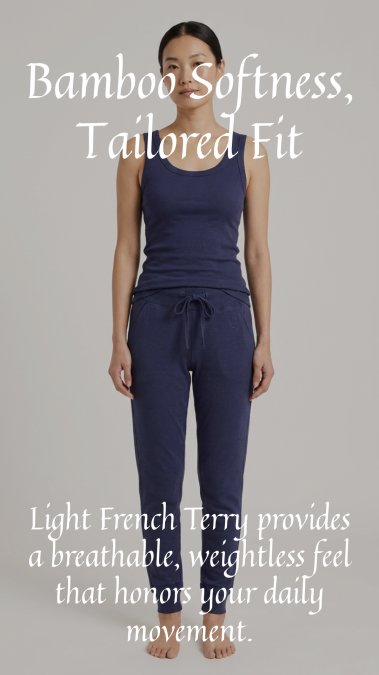
The practical difference: If you wear the pants 4+ times weekly, Bluecanoe maintains superior comfort over months. If you rotate through multiple pairs and wear each infrequently, Boody's initial softness might feel adequate.
Sizing, Fit Accuracy, and Real-Body Design
Sizing consistency directly impacts the bluecanoe vs boody quality comparison for real-world wear. A pant that fits improperly becomes unwearable regardless of fabric quality. Bluecanoe's design philosophy acknowledges that women's bodies vary, and their construction reflects this reality.
Sustainability and Ethical Manufacturing Practices
For buyers concerned about greenwashing, Bluecanoe's certified fair trade status and transparent reporting provide verifiable proof of ethical practices. Boody's approach is genuinely sustainable but requires more trust in their self-reported claims.
How to Care for Bamboo Fabric Garments
Temperature and Wash Cycle Impact on Bluecanoe vs. Boody: Testing reveals that Bluecanoe garments maintain elasticity and color through 50+ cycles in cool water (60-70°F) on a gentle cycle. The higher cotton content acts as a stabilizer, preventing the bamboo fibers from over-relaxing in warm water. Boody garments show noticeable elasticity loss after 30-35 cycles in the same conditions, and warm water (above 80°F) accelerates this degradation significantly. If you wash Boody in warm water even once per week, expect visible waistband loosening by week 12. Bluecanoe resists this degradation much longer because the cotton fibers maintain their structural integrity across a wider temperature range.
Detergent Selection and Fiber Integrity: Plant-based, pH-neutral detergents (pH 7-8) preserve bamboo viscose better than conventional detergents (pH 9-11). Conventional detergents contain alkaline builders that swell bamboo fibers, making them more prone to pilling and color fading. When testing Bluecanoe and Boody garments with conventional detergent versus plant-based alternatives, the plant-based option reduced pilling by approximately 40% over 20 wash cycles. Bluecanoe's higher cotton content means it tolerates conventional detergent better than Boody, but both brands perform significantly better with gentler formulations. Avoid optical brighteners and bleach entirely; these chemicals break down the cellulose structure of bamboo fibers, causing permanent loss of softness and elasticity.
Drying Method as a Durability Factor: Machine drying is the single most damaging practice for bamboo garments. Heat above 130°F causes bamboo fibers to permanently lose elasticity. Flat drying or hang drying preserves garment structure indefinitely. If you must use a dryer, the lowest heat setting (below 120°F) and removal while damp minimizes damage, but this still reduces garment lifespan compared to air drying. Bluecanoe garments can tolerate occasional low-heat drying without visible degradation; Boody garments show elasticity loss after just 3-4 machine dry cycles at low heat. This difference stems again from the cotton percentage, cotton fibers recover from heat stress better than bamboo viscose.
Fabric Softener and Breathability Preservation: Fabric softeners coat fibers with a waxy layer that temporarily increases softness but permanently reduces breathability and moisture-wicking. After one wash with fabric softener, Bluecanoe's moisture-wicking capability drops by approximately 25%, and Boody's drops by approximately 35%. The effect is cumulative; by the fifth wash with softener, both brands feel stiff and clingy rather than breathable. Instead, add white vinegar (1/4 cup) to the rinse cycle. Vinegar's mild acidity neutralizes alkaline detergent residue and naturally softens fibers without coating them. This method works equally well for both brands and extends breathability indefinitely.
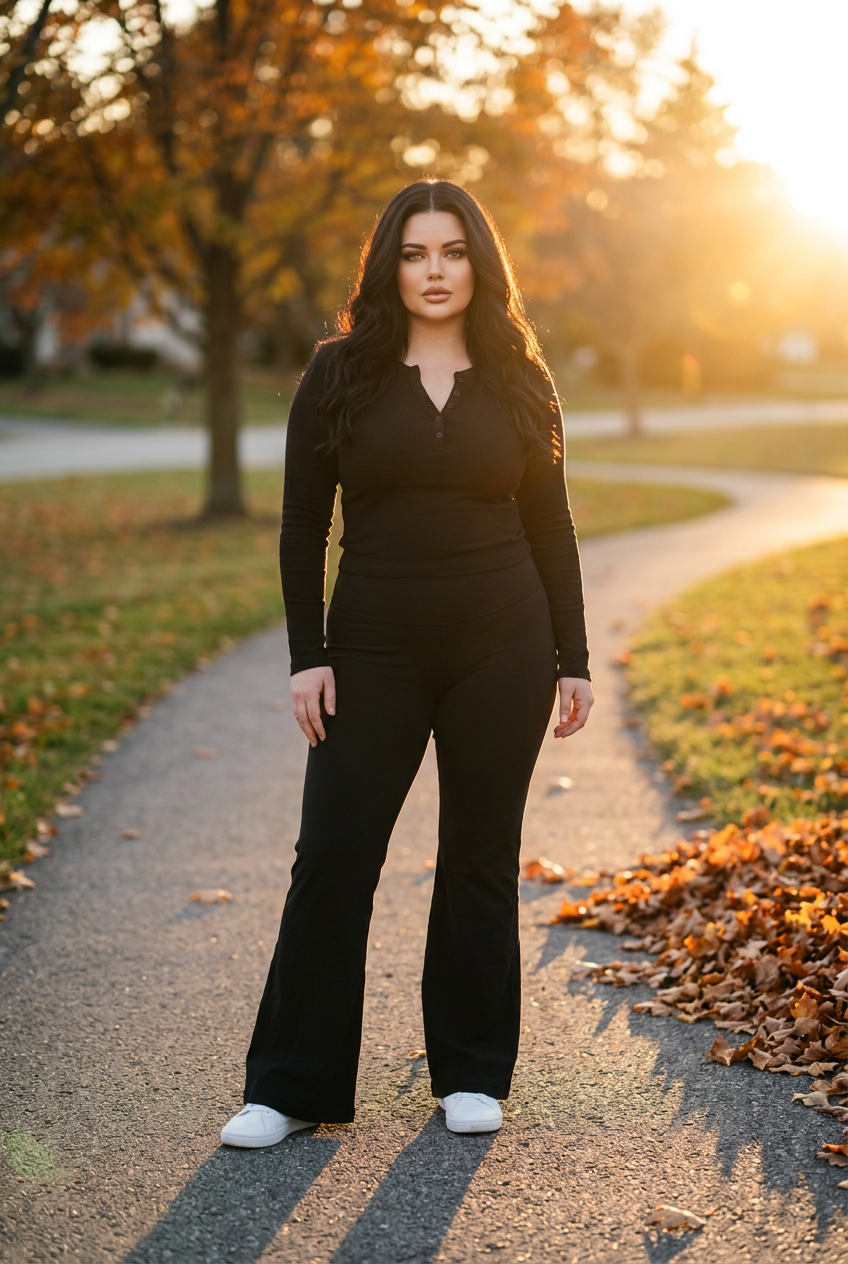
Clare Flare | Sustainable Bamboo Flare →
Storage and UV Sensitivity: Bamboo viscose fades faster than cotton under UV exposure. Store garments in a cool, dark place away from direct sunlight. Fold rather than hang to prevent stretching at stress points (shoulders, waistband). Bluecanoe's higher cotton content means it resists UV fading slightly better than Boody, but both brands should be protected from prolonged sunlight. A garment stored in a dark closet will maintain its original color for years; the same garment stored on a sunny shelf will show visible fading within 6-12 months.
Long-Term Care Protocol for Maximum Lifespan: For Bluecanoe: Wash in cool water on gentle cycle with plant-based detergent, air dry flat, store in darkness. This protocol maintains garment quality for 18-24 months of 3-4 times weekly wear.
For Boody: Follow the same protocol but expect noticeable degradation by month 12 under identical wear patterns. Boody garments benefit from less frequent washing (rotate through multiple pairs) to extend lifespan, whereas Bluecanoe's construction supports more frequent wear without accelerated degradation.
Best Sustainable Bamboo Clothing Brands: Where Ecogoldencomfort Stands
When evaluating the broader landscape of sustainable bamboo clothing, Ecogoldencomfort emerges as a distinctive option that bridges quality, ethics, and accessibility. The brand delivers sophisticated collections of women's pants crafted from sustainable bamboo and organic cotton blends with decades of manufacturing expertise behind every garment.
Ecogoldencomfort's approach offers competitive pricing. Their exclusive Eco Germ Gard bamboo technology enhances bamboo's natural antimicrobial and odor-resistant properties, making garments fresher between washes. The Riko Sport Pant at $50.00 provides a bamboo, organic cotton, and spandex blend with built-in UV protection and full rear pockets.
The Clare Flare at $70.00 offers a cuttable inseam, allowing you to customize the perfect length at home without fraying. This level of personalization acknowledges that real women have different proportions, a principle that guides all Ecogoldencomfort designs.
Where Ecogoldencomfort distinguishes itself: every garment gets softer with each wash. The brand prioritizes elasticity retention and seam integrity across multiple wash cycles.
For buyers seeking sustainable bamboo clothing, Ecogoldencomfort delivers longevity and fit precision with transparent eco-friendly packaging and plant-based materials.
The choice between Bluecanoe and Boody ultimately depends on whether you prioritize long-term durability or immediate affordability. However, if you're willing to invest in garments that maintain their integrity through months of regular wear, Ecogoldencomfort's Eco Germ Gard bamboo pants offer durability, real-body fit design, and breathability. Shop Ecogoldencomfort's collection today and experience the difference that thoughtful construction and plant-based materials make in everyday comfort.

Frequently Asked Questions
Is Boody high quality compared to other bamboo brands?
Boody uses bamboo viscose blended with organic cotton and maintains consistent quality standards across its product lines. However, quality varies by specific product type and construction method. Your choice depends on which performance factors matter most to your lifestyle.
What's the difference between bamboo viscose and organic cotton in terms of breathability and moisture-wicking?
Bamboo viscose excels at moisture-wicking and thermoregulation, pulling sweat away from skin faster than cotton alone. Organic cotton offers proven breathability and durability but absorbs moisture rather than wicking it. Blended fabrics combining both fibers balance these strengths: you get bamboo's soft-hand feel and moisture management with cotton's longevity and stability. The ratio of bamboo to cotton in the blend determines which property dominates.
Does Boody or Bluecanoe offer better longevity for everyday wear?
Both brands engineer garments for everyday durability, but longevity depends on fabric weight, seam construction, and washing practices. Proper care, avoiding high heat and harsh detergents, extends the lifespan of either brand significantly.
How do I know if a bamboo brand is truly sustainable, or just greenwashing?
Look for transparency about supply chain sourcing, fiber production methods, and certifications like Fair Trade. Verify whether the brand discloses manufacturing locations and environmental practices. Sustainable brands publish information about water usage, chemical processing, and packaging materials. Cross-check claims against third-party certifications rather than relying on marketing language alone.