
Best Pants for Pelvic Discomfort That Feel Better

A waistband can feel like a small detail until it lands on a tender lower belly or presses into a sensitive pelvic area every time you sit down. Then getting dressed becomes something to manage rather than a simple part of the day. The best pants for pelvic discomfort make room for your body, your movement, and the reality that comfort needs can change from one morning to the next.
Pelvic discomfort can have many causes, from temporary bloating and digestive sensitivity to recovery, pelvic floor tension, menopause-related changes, or an ongoing health concern. Clothing cannot treat the cause, but the right pair of pants can remove one needless source of pressure. The goal is not to hide your body or settle for shapeless clothing. It is to choose bottoms that feel gentle while still helping you feel put together.
What Makes Pants Better for Pelvic Discomfort?
The most helpful pants are usually defined less by a single silhouette and more by what they do not do: dig, squeeze, bunch, trap heat, or resist movement. A comfortable pair should move with you when you walk the dog, settle into a chair, stretch for a high shelf, or rest at the end of a long day.
Start with the waistband. A wide, smooth, flexible waistband spreads pressure over a broader area than a narrow elastic band. It should lie against the body without rolling, pinching, or leaving a deep mark. Some women prefer a higher rise because it offers gentle coverage across the lower abdomen. Others find that a waistband resting lower on the hips is more comfortable during a flare-up. There is no universal right rise. The best choice is the one that lets you breathe and sit comfortably.
Fabric matters just as much. Stiff denim, heavy seams, and synthetic fabrics that hold heat can be distracting when the pelvic area feels tender. Soft plant-based fabrics, including bamboo blends and cotton, tend to feel more breathable and gentle against the skin. A little stretch helps pants follow your movement, but overly tight stretch fabric can create its own pressure. Look for recovery in the fabric, too: pants should return to shape without feeling like they are trying to hold you in.
Choose a Fit That Gives You Room to Move
A relaxed fit is not the same as an oversized fit. Pants that are too large can slide down, twist at the crotch, or require frequent adjusting, all of which can make discomfort more noticeable. Instead, seek a fit with ease through the waist, hips, seat, and upper thigh, paired with a shape that still feels intentional.
Wide-leg and flare pants
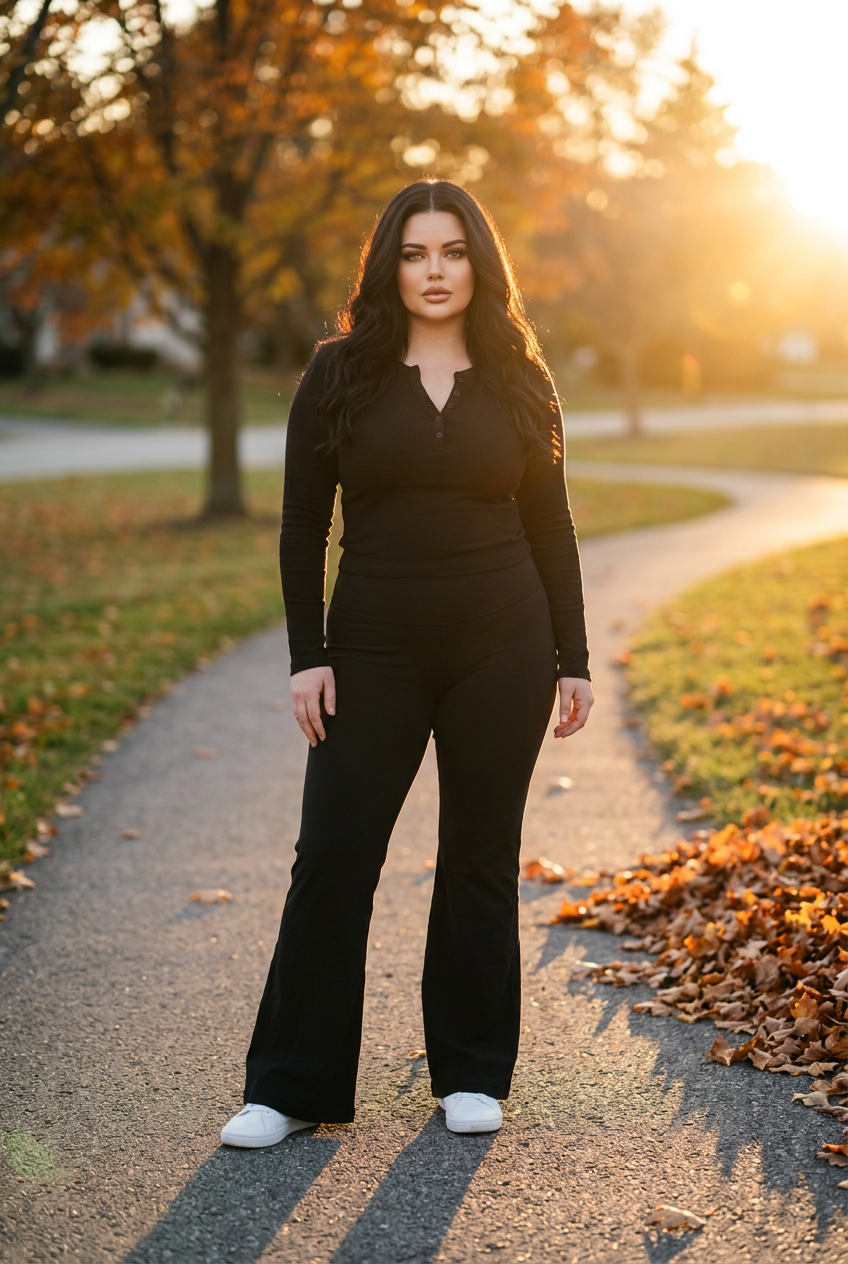
A softly flared or wide-leg pant is often a lovely choice when you want less fabric tension through the hips and thighs. The silhouette creates visual balance, feels polished with a simple top, and allows air to circulate more freely than a close-fitting legging. For many women, the ease of a flare also makes it a practical in-between option: comfortable enough for home, refined enough for lunch, errands, or travel.
Pay attention to where the flare begins. A gentle flare that starts below the knee can maintain a clean line without adding bulk around the hips. A fabric with a fluid drape will usually feel calmer than a thick, rigid knit.
Relaxed sport pants
Sport pants can be a smart everyday alternative to leggings, especially when they have a comfortable rise and room through the leg. They offer the freedom needed for walking, light stretching, and active household routines without the close compression some women find uncomfortable.
The best versions have a soft waistband, an easy leg shape, and fabric substantial enough to feel presentable outside the house. Deep pockets can be useful, but inspect their placement. Bulky side seams or pockets that pull across the hips may not feel right on sensitive days.
Straight-leg lounge pants
A straight-leg lounge pant is a dependable choice for days when your body asks for simplicity. It offers an easy silhouette without the extra volume of a wide leg and can be styled with a cardigan, soft sweater, or structured overshirt. Choose a pair that holds its shape through the day so comfort does not come at the cost of feeling cared for.
Details That Can Make a Real Difference
Small construction choices often determine whether pants stay comfortable from breakfast to bedtime. Look closely at the inside of the garment when possible. Flat or low-profile seams reduce the chance of rubbing, especially around the inner thigh and crotch. A smooth front panel can feel preferable to thick gathers, bulky ties, or stiff closures at the lower belly.
Avoid assuming that all elastic is uncomfortable. The issue is usually narrow, firm elastic that concentrates pressure. A soft, covered elastic waistband or a wide stretch knit band can be comfortable and secure. Drawstrings are more personal. They offer adjustability, but a knotted drawstring can press into the abdomen when seated. If you enjoy one, choose a style with a flat tie and enough fabric between the tie and your skin.
Consider the inseam as well. Pants that are too long can become a tripping concern, while pants that are too short may ride up when you sit. The right length should allow you to move easily in the shoes you wear most often, whether those are supportive sneakers, loafers, or slippers at home.
Fabrics to Reach For and Fabrics to Question
Natural and plant-based fibers are not automatically perfect, but they are often a welcome starting place for sensitive skin and warm days. Bamboo-derived fabric can feel exceptionally soft and smooth, while cotton is familiar, breathable, and easy to care for. Blends that include a modest amount of stretch fiber can improve movement and help a garment keep its shape.
The trade-off is that very lightweight fabric may reveal underwear lines or wear out more quickly, while heavy fabric can feel restrictive and warm. Look for a medium-weight knit or woven fabric that drapes without clinging. If you are prone to feeling overheated, breathability is worth prioritizing over a tight, sculpting fit.
Be cautious with pants marketed primarily for compression, control, or shaping. Gentle support may feel good for some bodies and situations, but firm compression can worsen awareness of pelvic pressure for others. Trust your own response. If you feel relief the moment you unbutton or pull down a waistband, that garment is giving you useful information.
How to Shop for Pants on a Sensitive Day
Measurements are helpful, but comfort is more than a number on a size chart. If your waist or lower abdomen fluctuates, choose the size that feels comfortable at your fullest rather than the size you hope to wear on your most comfortable day. A garment that fits with ease is more likely to earn a regular place in your wardrobe.
When trying on pants, do more than stand before the mirror. Sit in a firm chair for several minutes. Bend gently. Take a few longer steps. Notice whether the waistband folds, whether the crotch pulls, and whether you immediately want to adjust anything. Those first signals tend to become louder over a full day.
It can also help to keep two comfort levels in your closet. Have a polished, easy pant for ordinary days and a softer, more forgiving option for days when sensitivity is higher. This is not giving in to discomfort. It is a practical way to care for yourself without canceling plans or abandoning personal style.
Eco Golden Comfort designs its Clare Flare and Riko Sport Pants around this kind of everyday ease, with soft, breathable materials and flexible silhouettes made for real movement. A well-made comfort pant should support your life quietly, not demand your attention all day.
When Clothing Comfort Is Not Enough
New, severe, or persistent pelvic pain deserves medical attention, particularly if it comes with fever, unusual bleeding, pain when urinating, digestive changes, or pain that disrupts sleep and daily activities. A health professional can help identify what is going on and discuss care that goes beyond wardrobe adjustments.
In the meantime, choose clothes that let your body soften. Reach for a waistband that does not argue with you, fabric that breathes, and a fit that gives you room to live your day at your own pace. Feeling comfortable in your clothes is not a luxury. It is one small, meaningful way to meet your body with the respect it deserves.