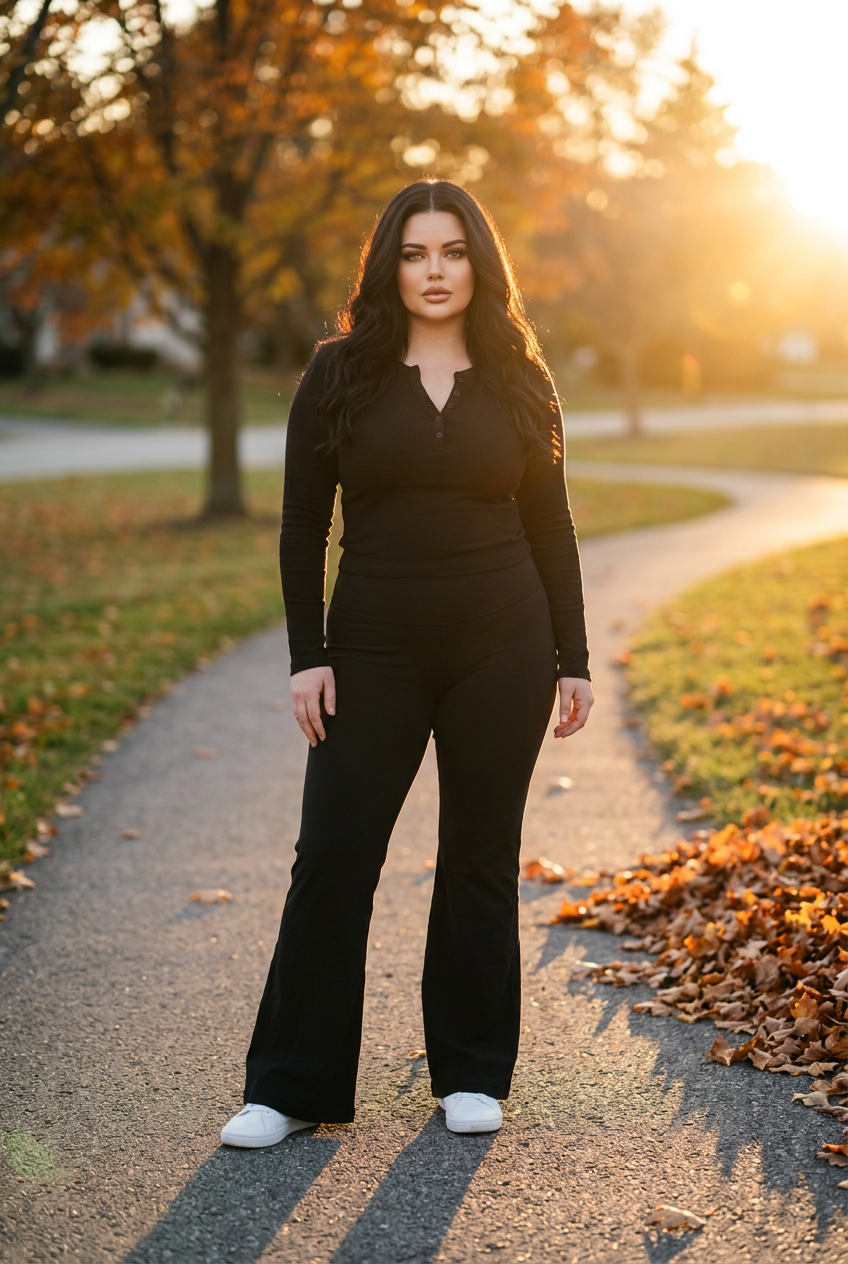

Eco Fashion Brands: A 2026 Guide to Sustainable Style

Table of Contents
- What Defines Eco Fashion Brands
- How to Identify Sustainable Fashion Brands
- Sustainable Clothing Brands That Deliver Real Comfort
- Organic Cotton Clothing Brands Worth Your Investment
- Affordable Sustainable Fashion Without Compromise
- Durability, Repair, and the True Cost Per Wear
- Conclusion: Building a Conscious Wardrobe
- Frequently Asked Questions
Last Updated: October 10, 2026
What Defines Eco Fashion Brands
Eco fashion brands prioritize sustainable materials, ethical production, and environmental responsibility in every garment they create. These companies move beyond marketing claims to demonstrate genuine commitment through transparent supply chains, plant-based fabrics, and reduced waste in manufacturing.
True eco fashion brands measure impact across three areas: material sourcing, production practices, and garment longevity, proven through third-party certifications, labor transparency, and verifiable environmental metrics.
At Ecogoldencomfort, we've built our entire collection around this philosophy. Our bamboo and organic cotton blends represent years of sourcing expertise, designed to deliver comfort without compromise.
How to Identify Sustainable Fashion Brands
The most reliable indicator is third-party verification. A brand claiming organic cotton should display Global Organic Textile Standard (GOTS) certification; bamboo fabric should meet Oeko-Tex standards for chemical safety.
Check whether a brand discloses manufacturing locations and labor practices openly. Vague language like "ethically sourced" without specifics is a red flag. The best eco fashion brands name their factories, publish worker wages, and explain their supply chain publicly.
Verifying Supply Chain and Labor Practices
Look for brands that publish factory locations, worker wage information, and third-party audits of labor conditions. Some eco fashion brands partner with Fair Trade organizations for independent verification.
Real commitment shows in published details: worker treatment, benefits, working conditions, and annual sustainability reports. Their absence suggests the brand hasn't invested in genuine accountability.
Common greenwashing phrases to avoid:
- "Eco-friendly" or "sustainable" with no certification or supply-chain link
- "Natural" materials without organic or chemical-safety certification
- "Ethically made" without naming factories or third-party audits
- "Reduced impact" without baseline data or measurable targets
- "Conscious" or "responsible" as standalone claims without evidence
Instead, look for brands that:
- Name specific factories and publish their locations
- Link to third-party audit reports or labor certifications
- Disclose material sourcing (e.g., "organic cotton from India, processed in Portugal")
- Explain what certifications they hold and why they chose them
- Publish sustainability reports with measurable environmental or labor metrics
Checking Material Claims and Certifications
Material claims require evidence beyond brand websites. Organic cotton should carry GOTS certification; bamboo fabric should meet Oeko-Tex 100 standards.
Certifications matter because they're verified by independent third parties and traceable to official databases. Without them, material claims remain unverified.
Key certifications to recognize:
- GOTS (Global Organic Textile Standard): Verifies organic fiber content and safe processing; includes labor standards.
- Oeko-Tex 100: Confirms textiles were tested for harmful chemicals; does not verify organic sourcing.
- Fair Trade Certified: Independent verification of fair wages, safe conditions, and community investment.
- BLUESIGN®: Certifies chemical management and resource efficiency in textile manufacturing.
- Cradle to Cradle: Evaluates material health, recycling potential, and manufacturing responsibility across multiple criteria.
Cross-reference certifications on official registries: GOTS products through the GOTS database, Fair Trade claims through Fair Trade USA or Fair Trade International directories. Brands that make verification easy are more likely genuine.
Sustainable Clothing Brands That Deliver Real Comfort
The best eco fashion brands merge environmental responsibility with everyday wearability. Comfort, fit, and durability are non-negotiable.
Clare Flare: Breathable Bamboo Essentials
The Clare Flare is a flare pant crafted from bamboo and organic cotton blend with a 33-inch cuttable inseam and fully customizable hem.
The no-elastic waistband eliminates waistband dig. The bamboo blend provides natural breathability and silky softness; organic cotton adds durability.
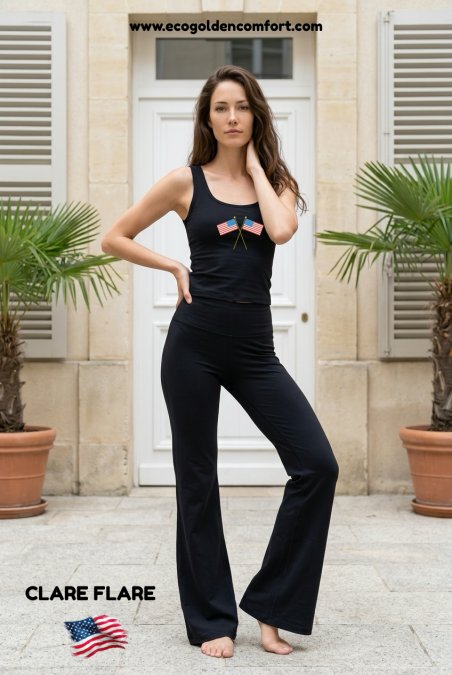
Starting Price: $70.00
Riko Sport Pant: Antimicrobial Everyday Wear
The Riko Sport Pant offers odor resistance without chemical treatments, crafted from exclusive Eco Germ Gard bamboo, organic cotton, and spandex in a 31-inch high-rise cut.
Real pockets (front slant and full rear), soft elastic waistband with drawcord, built-in UV protection, and breathable construction keep you cool during movement or work.
The fabric gets softer with every wash.
Starting Price: $50.00 (available in Plum and Olive Green)
Umi Jogger: Versatile Loungewear and Movement
The Umi Jogger offers a modern semi-fitted silhouette crafted from bamboo, organic cotton, and spandex in signature blue.
Infused with exclusive Eco Germ Gard Herbal Bamboo technology, it keeps you feeling fresh throughout the day. The biodegradable fabric is kind to both earth and skin.
The semi-fitted silhouette works for gym, home, lounging, or everyday wear.
Starting Price: $55.00
Organic Cotton Clothing Brands Worth Your Investment
Organic cotton represents one of the most verifiable sustainable materials available. Unlike conventional cotton, which uses significant pesticides and water, organic cotton is grown without synthetic chemicals and processed without harmful dyes. This difference matters for both environmental impact and garment performance.
Why Organic Cotton Costs More
Organic cotton costs more due to sourcing, certification, and processing. Conventional cotton uses 16% of global insecticides on 2.5% of cultivated land; organic cotton eliminates synthetic pesticides entirely through labor-intensive farming practices that lower yields per acre.
Clare Flare | Sustainable Bamboo Flare | EGC →
GOTS certification requires third-party audits and annual verification fees, guaranteeing authenticity rather than marketing claims.
Organic cotton processing uses natural or low-impact dyes and avoids heavy metals and formaldehyde, adding 15-25% to processing costs.
Performance and Durability Differences
Organic cotton performs differently than conventional cotton, and understanding these differences helps you assess value. Organic cotton typically feels softer initially because it's processed without harsh chemicals that can damage fibers.
Organic cotton also holds color better. Synthetic dyes used in conventional cotton can fade unevenly, especially in darker shades. This durability extends garment life and reduces the need for replacement.
Breathability is comparable between organic and conventional cotton, but organic cotton blends (such as organic cotton mixed with bamboo) often outperform pure conventional cotton because the processing preserves fiber structure.
Price Ranges and Cost-Per-Wear Assessment
Organic cotton basics typically range from $40 to $120 depending on construction quality, brand positioning, and garment type. A basic organic cotton t-shirt runs $30-$60. Organic cotton pants, which require more fabric and construction, range from $60-$150. Premium brands with heritage or limited production may exceed these ranges, but mid-market eco fashion brands keep prices accessible.
To assess true value, calculate cost per wear:
- A $70 organic cotton pant worn 150 times over two years = $0.47 per wear
- A $25 conventional cotton pant worn 30 times before fading or pilling = $0.83 per wear
Organic cotton's durability advantage makes it cheaper over time, even at higher upfront cost. The key is choosing well-constructed pieces in versatile styles you'll actually wear repeatedly. Neutral colors (black, white, navy, olive, cream) maximize outfit combinations and encourage frequent wear.
Verifying GOTS Certification
When evaluating organic cotton brands, verify GOTS certification. This standard confirms the cotton was grown organically and processed safely. The certification also includes labor standards, so you know workers were treated fairly throughout production.
Brands that claim organic cotton but lack GOTS certification may be using organic fiber without verified processing standards. This means the cotton was grown responsibly, but chemicals used during dyeing or finishing could still pose environmental or health risks. GOTS verification covers the entire supply chain, not just the farm.
Affordable Sustainable Fashion Without Compromise
Sustainable fashion doesn't require luxury pricing. The most accessible eco fashion brands offer genuine environmental benefits at reasonable price points by focusing on essentials rather than trend pieces.
The key is selecting basics you'll wear repeatedly. A single bamboo pant worn 100 times costs far less per wear than a trendy piece worn five times before being discarded.
Look for brands offering multiple colorways of the same silhouette. This approach lets you build a coordinated wardrobe without buying new styles constantly. Bamboo and organic cotton blends in classic shapes, flares, joggers, high-rise cuts, work across seasons and with most wardrobes.
Durability, Repair, and the True Cost Per Wear
The true measure of sustainable fashion is longevity. A garment worn for five years has far less environmental impact than one worn five times and discarded.
Quality eco fashion brands design for durability. Reinforced seams, quality elastic, and natural fabrics that improve with washing all extend garment life.
Calculate cost per wear by dividing the purchase price by the number of times you'll wear the garment. A $70 pant worn 200 times over three years costs $0.35 per wear.
Natural fabrics like bamboo and organic cotton become softer and more comfortable with washing, which encourages continued wear.
| Aspect | Impact on Durability | What to Check |
|---|---|---|
| Seam Quality | Determines if garment holds together | Look for reinforced seams, especially at stress points |
| Fabric Weight | Heavier natural fabrics resist pilling | Bamboo-cotton blends should feel substantial |
| Elastic Quality | Waistbands and cuffs wear first | Test elasticity; it should return to shape immediately |
| Dye Stability | Fading reduces wearability | Quality dyes maintain color |
| Construction Details | Pockets, hems, and closures fail frequently | Check pocket reinforcement and hem stitching |
Conclusion: Building a Conscious Wardrobe
Building a sustainable wardrobe means prioritizing quality over quantity, choosing versatile pieces you'll wear repeatedly, and selecting brands that prove their environmental commitment through transparency and durability.
The best eco fashion brands combine plant-based materials like our soft bamboo and organic cotton clothing with genuine manufacturing accountability and garments designed to last.
Start with essentials that work across your lifestyle. Our Eco Germ Gard products offer natural softness, breathability, and antimicrobial protection without compromise. Shop Ecogoldencomfort and discover how authentic comfort meets nature-inspired design.
Frequently Asked Questions
What materials should you look for in eco fashion brands?
Look for plant-based fibers like organic cotton, bamboo, and hemp. Bamboo is one of the most renewable fibers and requires minimal pesticides. Organic cotton is grown without synthetic chemicals. Check if the brand discloses certifications from third-party verifiers. Avoid brands that claim sustainability without specifying materials or production methods. Genuine eco fashion brands list their fabric composition clearly and explain why those materials matter for both your skin and the environment.
How can you tell whether a clothing brand is genuinely sustainable?
Genuine sustainable fashion brands provide transparent supply chain information, including where garments are manufactured and labor practices. They share certifications or third-party verification rather than making vague 'eco-friendly' claims. Look for brands that discuss material sourcing, water use reduction, and packaging choices. Check if they offer durability information and repair options. Greenwashing often relies on buzzwords without specifics. Real brands answer questions about worker rights, factory conditions, and environmental impact with concrete details, not marketing language.
Are sustainable clothing brands worth the higher price?
Yes, when you calculate cost per wear. Sustainable brands using organic cotton and bamboo blends typically last longer and improve with washing. A $50 to $70 pant worn 200+ times costs 25 cents per wear, while a cheaper fast-fashion alternative worn 30 times costs significantly more per wear. Beyond economics, you avoid skin irritation from synthetic dyes and chemicals, and you support ethical labor practices. Quality construction means fewer replacements, reducing waste and long-term spending.
What makes a brand sustainable?
True sustainability combines material choice, ethical manufacturing, and transparency. Eco fashion brands use low-impact fibers like organic cotton or bamboo, minimize water and chemical use in production, ensure fair wages and safe working conditions, and use eco-friendly packaging. They prioritize durability so garments last years, not seasons. They often offer repair services or take-back programs. Sustainable brands measure and disclose their environmental footprint and labor standards rather than making generic claims.
Which eco fashion brands are best for everyday clothing?
Brands that combine sustainable materials with practical design for daily life excel here. Look for pieces with real pockets, comfortable fits for real bodies, breathable fabrics like bamboo and organic cotton blends, and versatile styles that work across seasons. Brands offering high-rise options, adjustable waistbands, and multiple color choices serve everyday needs better than trendy-only collections. The best everyday eco fashion brands prioritize comfort and durability over fleeting styles, so your wardrobe stays current without constant replacement.
The sustainable fashion movement isn't about sacrifice. It's about choosing garments that feel better, last longer, and align with your values. When you select eco fashion brands that deliver real quality, you're making a choice that benefits your comfort, your wallet, and the planet.