
Benefits of a Capsule Wardrobe for Women

Table of Contents
- Save Time Getting Dressed Every Morning
- Reduce Decision Fatigue and Mental Clutter
- Cut Clothing Costs Through Intentional Shopping
- Women's Capsule Wardrobe Essentials You Actually Need
- Build Your Capsule Wardrobe Checklist
- Capsule Wardrobe Examples Using the 3-3-3 Rule
- Practical Drawbacks and Who Might Struggle
- Frequently Asked Questions
Last Updated: October 7, 2026
Save Time Getting Dressed Every Morning
A capsule wardrobe for women simplifies your daily routine by eliminating decision fatigue when selecting outfits. Instead of staring at a crowded closet, you reach for pieces that work together effortlessly. This approach saves time every single morning, allowing you to focus on what matters instead of what to wear.
The math is simple. If you spend 15 minutes choosing an outfit each day, a capsule wardrobe cuts that to 3-5 minutes. Over a year, that's roughly 60 hours reclaimed. For remote workers, busy professionals, and anyone juggling multiple responsibilities, those hours add up to real freedom.
The reason is straightforward: fewer options mean faster decisions. Your brain isn't processing 100 potential combinations. It's choosing from 15-20 pieces that all coordinate.
This time savings compounds when you travel. Packing becomes simpler, luggage stays lighter, and you never wonder if an outfit will work because every piece was designed to mix and match.
Reduce Decision Fatigue and Mental Clutter
Decision fatigue is real. Every choice you make depletes mental energy, and clothing decisions happen daily. A capsule wardrobe for women eliminates this invisible drain by removing low-value choices from your day.
When your closet contains 50 pieces instead of 150, getting dressed becomes automatic. You're not weighing options. You're executing a system you've already built. That mental clarity extends beyond fashion into other areas of your life where your focus actually matters.
The cognitive load of maintaining a large wardrobe is underestimated. Deciding what to wear, what needs washing, what's out of season, what no longer fits, what's trending but you don't love, these micro-decisions accumulate. A capsule wardrobe eliminates most of them.
Physical clutter also creates mental clutter. Studies consistently show that visual chaos in your environment increases stress and reduces focus. A simplified closet with intentional pieces creates a sense of calm every time you open it.
Cut Clothing Costs Through Intentional Shopping
A capsule wardrobe for women isn't about buying less, it's about buying better. The shift from quantity to quality changes your relationship with money and fashion.
Most people overspend on clothing because they buy impulsively. A new trend catches their eye, they purchase without considering what they already own, and the piece sits unworn. A capsule wardrobe forces intentionality. Before buying anything, you ask: Does this work with my existing pieces? Will I wear it at least 30 times? Is this quality enough to last years, not months?
This mindset cuts unnecessary purchases dramatically. Instead of buying 20 cheap items per year, you buy 4-6 quality pieces that actually get worn. The cost-per-wear calculation shifts dramatically in your favor.
Consider this example: A $70 pair of bamboo cotton blend pants worn 100 times over two years costs $0.70 per wear. A $25 pair worn 10 times costs $2.50 per wear. Quality pieces worn frequently always win financially.
| Approach | Annual Spending | Pieces Purchased | Cost Per Wear (100 wears/year) |
|---|---|---|---|
| Fast Fashion | $800-1,200 | 30-40 pieces | $8-12 per wear |
| Capsule Wardrobe | $400-600 | 6-8 quality pieces | $0.50-1.50 per wear |
The capsule wardrobe approach reduces overall spending while increasing the quality and longevity of what you own.
Women's Capsule Wardrobe Essentials You Actually Need
Building a capsule wardrobe for women starts with identifying pieces that serve multiple purposes and coordinate seamlessly. The goal is versatility without excess.
Most capsule guides recommend 30-50 pieces total. That number feels abstract. Here's what actually works: a foundation of neutral basics, a layer of complementary colors, and a few statement pieces that reflect your personal style.
Foundation Pieces (The Non-Negotiables)
These pieces form the backbone of every outfit:
- 2-3 neutral bottoms (black, navy, olive, or beige)
- 4-5 basic tops in white, cream, and neutral tones
- 1-2 blazers or structured layers
- Comfortable everyday pants in breathable fabric
The Riko Sport Pant in Olive Green and Plum are ideal foundation pieces because they're designed to pair with everything. The high-rise fit and soft elastic waistband mean they work for errands, work, and casual outings without adjustment.
Layering Pieces (The Multipliers)
Layering pieces extend your outfit combinations exponentially:
- Cardigans or lightweight sweaters
- Denim or neutral jackets
- Long-sleeve fitted tops
These pieces transform a basic outfit into something seasonally appropriate and visually interesting.
Statement Pieces (The Personality)
1-2 pieces that reflect your personal style:
- A patterned top or dress
- A colored bottom in a shade you love
- An interesting texture or detail
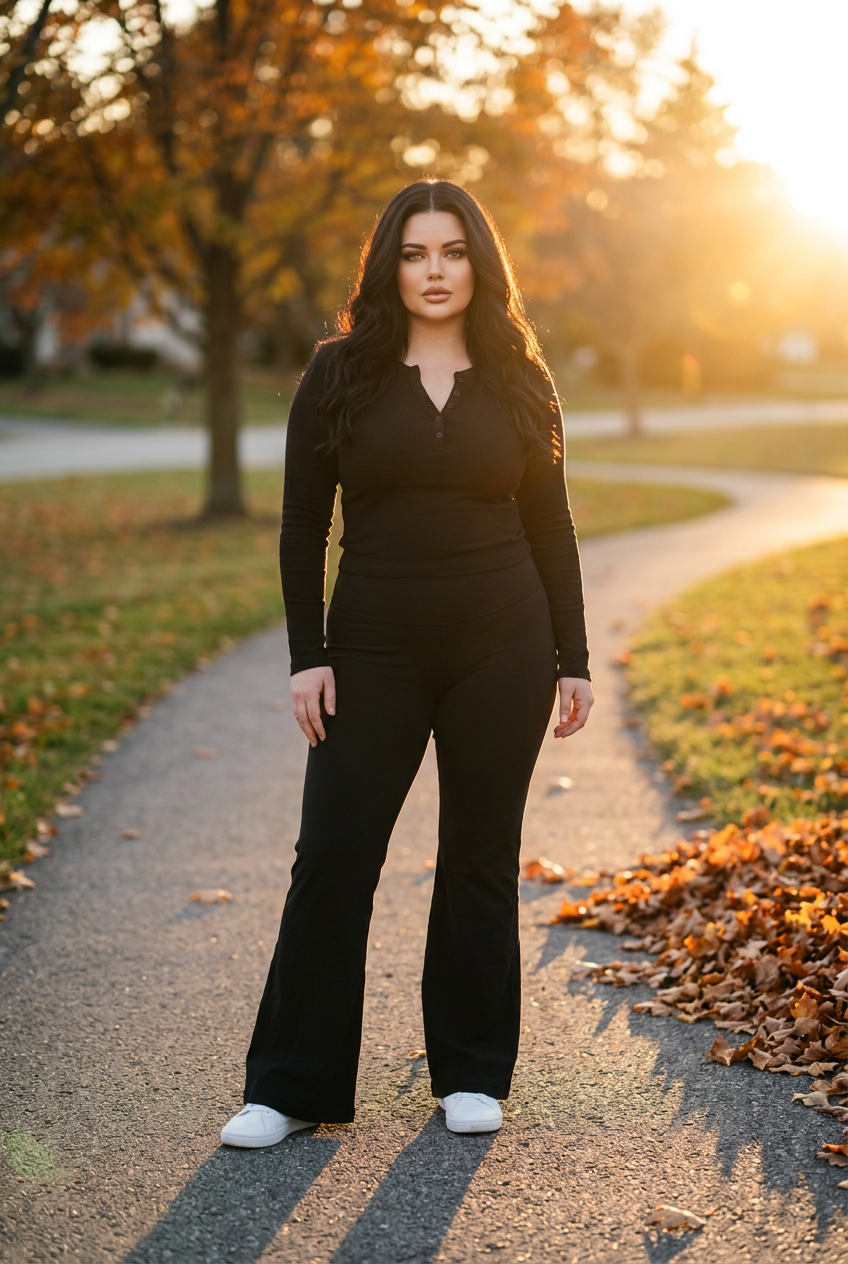
The Clare Flare in Sustainable Bamboo works beautifully as a statement piece. The flare silhouette is distinctive while the neutral color keeps it versatile. Wear it with a simple top for a polished look or dress it down for casual days.

Footwear (The Anchors)
3-4 pairs that cover your lifestyle:
- Comfortable everyday shoes
- Professional footwear if needed for work
- One dressier option
- Athletic shoes if you exercise regularly
Accessories (The Finishers)
Simple accessories multiply outfit options:
- 2-3 scarves
- A belt or two
- Minimal jewelry in metals that match your wardrobe
Build Your Capsule Wardrobe Checklist
Starting a capsule wardrobe for women requires a systematic approach. Here's a practical checklist to guide your process:
Step 1: Assess Your Lifestyle
- Identify how you spend most of your time (work, home, social, active)
- Note the climate where you live and any seasonal changes
- List activities that require specific clothing (gym, professional meetings, casual outings)
- Consider your personal style preferences (classic, minimalist, colorful, bohemian)
Step 2: Choose Your Color Palette
- Select 2-3 neutral base colors (black, navy, beige, olive, gray)
- Choose 2-3 complementary accent colors you love
- Ensure all colors work together and with your skin tone
- Verify all pieces you already own fit this palette
Step 3: Inventory Current Pieces
Clare Flare | Sustainable Bamboo Flare | EGC →
- Pull every item from your closet
- Keep only pieces you've worn in the last year
- Ensure remaining items fit your chosen color palette
- Donate or sell pieces that don't align with your capsule vision
Step 4: Identify Gaps
- List pieces you need to complete your capsule
- Prioritize by frequency of use
- Set a realistic budget for new purchases
- Research quality options in your price range
Step 5: Build Gradually
- Purchase one or two pieces per month rather than all at once
- Test each new piece with existing items before buying more
- Focus on quality and longevity over trend-chasing
- Track how often you wear new pieces
Capsule Wardrobe Examples Using the 3-3-3 Rule
Understanding the 3-3-3 Rule for Capsule Wardrobes
The 3-3-3 rule is a framework for building a capsule wardrobe for women that ensures maximum versatility. It works by dividing your pieces into three categories: three neutral basics, three complementary colors, and three statement pieces.
This structure guarantees that every item coordinates with most others, eliminating the "nothing to wear" problem even with a small closet. The rule is flexible enough to adapt to your lifestyle while rigid enough to maintain focus and prevent impulse purchases.
Sample 3-3-3 Capsule Outfit Combinations
Here's a practical example of how the 3-3-3 rule works in real life:
Three Neutral Basics:
- Riko Sport Pant in Olive Green ($50)
- Riko Sport Pant in Plum ($50)
- Clare Flare in Sustainable Bamboo ($70)
Three Complementary Colors:

- White fitted tee
- Cream long-sleeve top
- Navy lightweight sweater
Three Statement Pieces:
- Patterned blouse
- Colored cardigan
- Textured scarf
Sample Outfit Combinations:
- Olive Riko + White tee + Neutral sneakers = casual errands
- Olive Riko + Cream long-sleeve + Navy sweater = professional setting
- Clare Flare + Patterned blouse + Scarf = dinner out
- Plum Riko + White tee + Colored cardigan = weekend activity
- Clare Flare + Cream top + Navy sweater = elevated casual
- Plum Riko + Patterned blouse + Scarf = work event
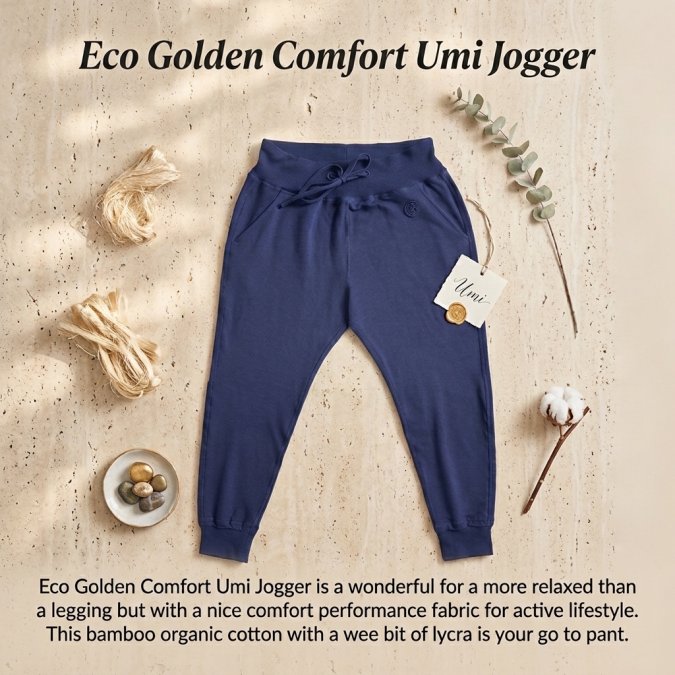
Each combination feels intentional and complete, yet you're working with just nine pieces. The Umi Jogger in signature blue adds another layer for loungewear or active days without disrupting the color palette.
This approach eliminates decision paralysis while ensuring you look polished regardless of the occasion.
Practical Drawbacks and Who Might Struggle
A capsule wardrobe for women isn't universally perfect. Understanding the limitations helps you decide if this approach suits your life.
The Boredom Factor
Wearing fewer pieces means outfit repetition. If you love variety and enjoy fashion as creative expression, a capsule wardrobe might feel restrictive. You'll see yourself in the same combinations week after week. Some people thrive with this simplicity.
Body Changes and Sizing
A capsule built for your current size becomes useless if your body changes. Pregnancy, weight fluctuations, aging, and life transitions all affect fit. Building a capsule requires accepting that you may need to rebuild it periodically.
Climate Limitations
If you live somewhere with extreme seasonal changes, a capsule wardrobe requires seasonal rotation. You can't maintain one capsule year-round if winter requires heavy coats and summer requires sleeveless pieces. This adds complexity rather than reducing it.
Professional Dress Codes
Certain careers require more variety than a capsule provides. If you work in creative fields, fashion, or environments where appearance signals status or creativity, a minimalist wardrobe might undermine your professional presence.
Personal Style Evolution
Your taste changes. A capsule built around one aesthetic becomes a cage if you want to explore different styles. Committing to a color palette and aesthetic for years requires confidence that your preferences won't shift.
Social Pressure
Some social circles value fashion variety and novelty. Wearing the same pieces repeatedly might feel conspicuous or judged. If your environment emphasizes fashion consumption, a capsule wardrobe can feel like a visible sacrifice.
Who Benefits Most
A capsule wardrobe for women works best for:
- Remote workers who value comfort and simplicity
- Busy professionals who want to minimize daily decisions
- People with consistent lifestyles and routines
- Those prioritizing sustainability and reducing consumption
- Women who enjoy quality over quantity
- People with stable body sizes and shapes
Building a capsule wardrobe for women is fundamentally about intentionality. It's not about deprivation or following a trend. It's about designing a closet that serves your actual life rather than an imaginary lifestyle.
The real benefit isn't the time or money saved, though those matter. It's the mental clarity that comes from owning fewer things that you genuinely love and wear.
Shop Ecogoldencomfort's collection of sustainable bamboo and organic cotton bottoms to build a capsule that prioritizes your comfort and the environment.
Frequently Asked Questions
What is the 3-3-3 rule for a capsule wardrobe?
The 3-3-3 rule is a simple framework for building a capsule wardrobe: 3 bottoms (like the Riko Sport Pant in plum and olive green, plus one flare), 3 tops, and 3 layers or outerwear pieces. This creates 27 possible outfit combinations from just 9 pieces. The rule works because each item mixes and matches with others, maximizing versatility while keeping your closet intentionally small and manageable.
How does a capsule wardrobe save money over time?
A capsule wardrobe reduces impulse purchases by focusing on quality, versatile pieces you'll wear repeatedly. Instead of buying 20 cheap items you wear once, you invest in fewer, durable pieces with better cost-per-wear. Plant-based fabrics like bamboo and organic cotton last longer and soften with every wash, extending garment life. Most women find they spend less annually because they buy intentionally rather than chasing trends.
What should women include in a capsule wardrobe?
Start with neutral bottoms (tailored pants, joggers, and flares), basic tops in solid colors, and layering pieces. Add one or two statement items that reflect your personal style. Include comfortable, breathable fabrics suited to your climate and lifestyle. For work-from-home or active lifestyles, versatile pieces like the Umi Jogger or Riko Sport Pant work across multiple settings. Prioritize fit, comfort, and pieces you genuinely enjoy wearing.
Can a capsule wardrobe work for different body types and sizes?
Yes. A capsule wardrobe works best when pieces are chosen specifically for your body and lifestyle, not a generic template. Focus on fits and silhouettes that flatter you personally. Brands offering cuttable hems and adjustable waistbands (like the Clare Flare with its customizable inseam) ensure pieces adapt to your measurements. The core principle, fewer, better pieces, applies to every size and body type.