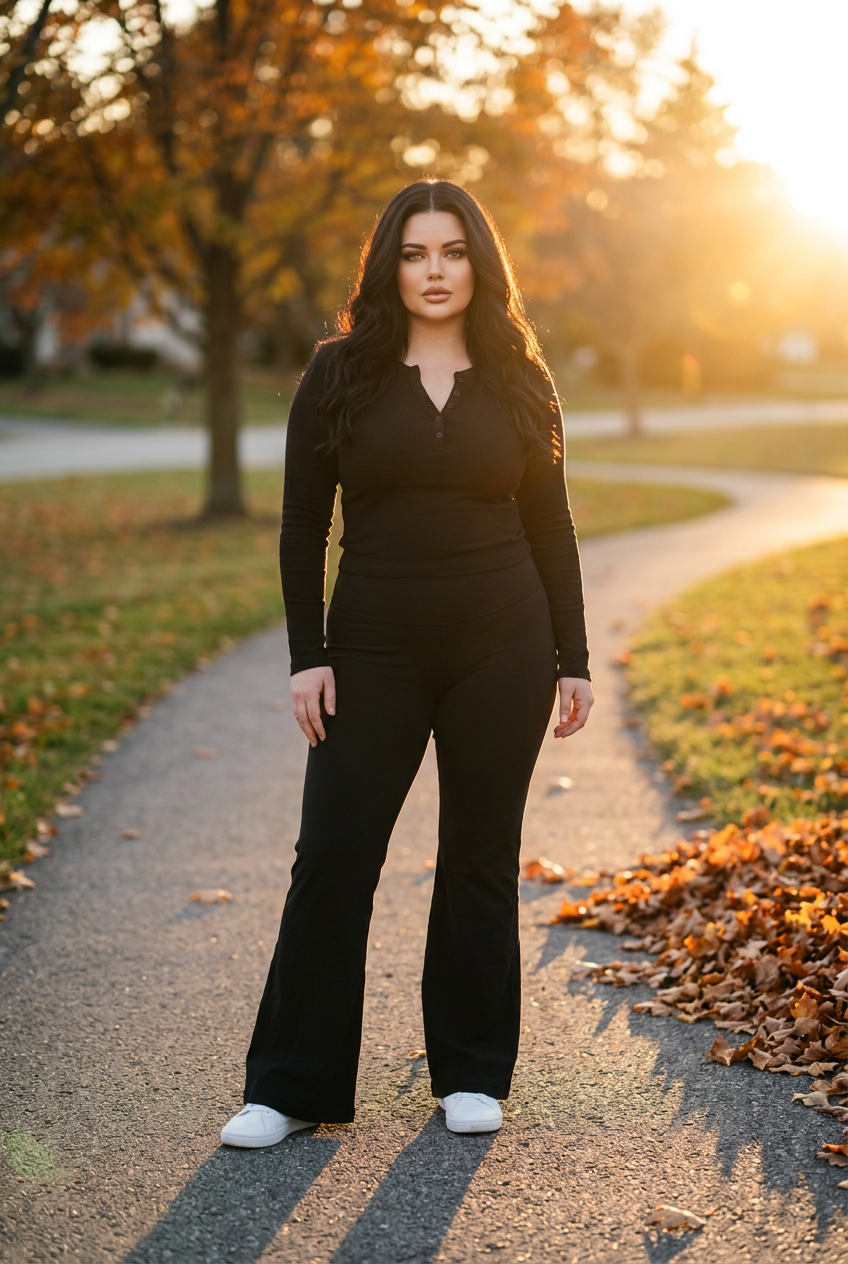

5 Sustainable Alternatives to Fast Fashion Pants

Table of Contents
- Why Fast Fashion Pants Harm the Environment
- Sustainable Pants Made from Plant-Based Materials
- How to Choose Sustainable Clothing That Lasts
- Shopping Secondhand Pants: A Circular Fashion Solution
- Repairing and Extending the Life of Your Pants
- Building a Timeless Wardrobe Over Trends
- Frequently Asked Questions
Last Updated: October 9, 2026
Why Fast Fashion Pants Harm the Environment
Fast fashion produces massive quantities of pants designed to last a season or two, generating enormous textile waste, consuming vast amounts of water, and relying on synthetics that take decades to decompose.
The problem runs deeper than disposal: chemical-heavy processes, long supply chains with questionable labor practices, and carbon emissions from global shipping.
The good news: we've identified 5 sustainable alternatives to fast fashion pants that don't sacrifice comfort, style, or budget.
Sustainable Pants Made from Plant-Based Materials
Plant-based fabrics are the foundation of sustainable alternatives to fast fashion pants. Unlike petroleum-derived synthetics, natural fibers grow from the earth and biodegrade at end of life. Two standout options: bamboo and organic cotton.
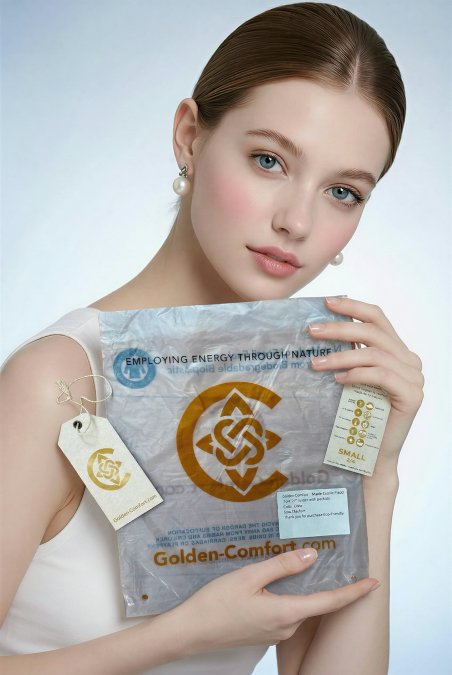
Bamboo and Organic Cotton Blends
Bamboo is one of the fastest-growing plants on earth, making it remarkably renewable. Blended with organic cotton, it creates a fabric that breathes well while staying luxuriously soft.
The Riko Sport Pant from Ecogoldencomfort exemplifies this approach. Crafted from a bamboo, organic cotton, and spandex blend, these pants feature built-in UV protection and naturally antimicrobial properties. The high-rise design with functional front and rear pockets delivers durability and comfort.

Bamboo provides silky softness and temperature regulation, while organic cotton adds breathability and durability, pants that feel luxurious but perform for everyday wear.
Linen and Natural Fiber Options
Linen is one of the most durable natural fibers available. It's stronger when wet than dry, so linen pants improve with washing.
How to Choose Sustainable Clothing That Lasts
Selecting sustainable pants means moving beyond marketing claims to examine materials, construction, and intended lifespan.
A Four-Point Verification Checklist
Run every pair through these four checks before buying.
1. Fiber composition. Check the label's fiber percentages, not the front-of-page marketing. Sustainable alternatives to fast fashion pants should list plant-based materials as primary components, bamboo, organic cotton, linen, and hemp. If the label shows primarily synthetics (polyester, nylon, acrylic), it's fast fashion regardless of claims.
2. Certifications and what they verify. Two come up most often:
- GOTS (Global Organic Textile Standard) covers the full textile supply chain for organic fiber content, chemical inputs, wastewater treatment, and social criteria at processing facilities. It applies to fiber and processing, not the finished garment's fit or durability.
- OEKO-TEX Standard 100 tests the finished article for harmful substances, restricted dyes, formaldehyde, heavy metals, against published limit values. It's a safety test, not a verification of organic farming or labor conditions.
3. Supply-chain transparency.
4. Labor standards.
Construction Details That Predict Lifespan
Fiber content tells you what the pants are made of; construction tells you how long they'll survive. Check these stress points:
- Waistband: Look for a wide, structured waistband with a clean finish. A thin elastic waistband that twists after a few washes is a lifespan signal.
- Crotch and seat seams: These take the most stress. Look for reinforced stitching or a gusset; a single row of loose stitching here is the first place a pant fails.
- Pockets: Functional pockets should be anchored at the corners, not just stitched along the top edge. Bagged-out pockets tear at the corner first.
- Hem: A cleanly finished hem can be shortened; a raw or fused hem often cannot. The Clare Flare from Ecogoldencomfort demonstrates this with a fully cuttable hem that doesn't fray, letting you customize the inseam without compromising durability.
Cost Per Wear, Worked Through
Cost per wear is the upfront price divided by the number of times you realistically expect to wear the pants. Sustainable clothing asks you to think in years, not seasons.

A Quick Sanity Check on "Eco-Friendly" Language
Terms like "eco-friendly," "green," and "conscious" aren't regulated the way "organic" is for agricultural products. Translate them into a specific claim: which fiber, which certification, which factory. If the answer is "none of the above," the pant is marketed, not verified.
Shopping Secondhand Pants: A Circular Fashion Solution
Secondhand shopping is one of the most effective sustainable alternatives to fast fashion pants.
Clare Flare | Sustainable Bamboo Flare | EGC →
Why Pants Are the Best Secondhand Category
Every secondhand pair you buy is one fewer new pair manufactured, shipped, and marketed, reducing water consumption, chemical use, carbon emissions, and textile waste at once.
Where to Look, and What Each Channel Is Good For
- Clothing swaps: Free, and a good way to move pants that no longer fit you into someone else's rotation.
Fit and Sizing: The Part Most Guides Skip
Compare those numbers to a pair you already own and like, the most reliable way to buy secondhand pants online without trying them on.
Alterations Are the Hidden Advantage
Secondhand pants are often cheap enough that tailoring is worth it. A hem can typically be shortened and a waist sometimes taken in, so a tailored secondhand pant frequently costs less than a new fast fashion pair, with a better fit.
Inclusive Sizing and Accessibility
Secondhand isn't a one-size solution. Extended sizes are less common in thrift and vintage inventory, so online resale platforms with size filters are often the better channel for larger sizes. For adaptive needs, look for elastic waists, pull-on designs, or side closures, which show up more often in secondhand inventory than in trend-driven new stock.
A Practical Secondhand Pant Checklist
Run those five checks and the secondhand pant becomes one of the lowest-risk, highest-value sustainable purchases you can make.
Repairing and Extending the Life of Your Pants
The longest-lasting pair of pants is the one you already own. Repairing and mending extend garment life dramatically and shift you away from fast fashion mentality.
Common repairs are simple to learn. A torn seam can be re-stitched by hand or machine in minutes. A broken zipper can be replaced. A hole in the thigh can be patched invisibly from the inside or made into a design feature with visible mending. These repairs cost far less than replacing the pants and keep them in rotation for years longer.
Rewearing pants without washing between wears also extends their lifespan. Most pants don't need washing after a single wear unless visibly soiled; airing them overnight refreshes the fabric and conserves water and detergent.
For high-quality pants like those from Ecogoldencomfort, designed to soften with every wash, proper care means they improve over time. Wash in cool water, air dry when possible, and avoid excessive heat to keep your pants looking and feeling better for longer.
Building a Timeless Wardrobe Over Trends
The 5 sustainable alternatives to fast fashion pants start with a mindset shift: choosing timeless pieces over trend-driven purchases. A well-built wardrobe contains pants in neutral colors and classic silhouettes that work across seasons.
Invest in versatile basics that pair with most of your existing clothing. A well-fitting neutral pant in black, navy, olive, or tan serves work, casual outings, and weekends. The Umi Jogger in signature blue from Ecogoldencomfort demonstrates this: its semi-fitted silhouette works for gym sessions, home office days, and casual outings, reducing the need for multiple specialized pants.
Avoid chasing trends that require constant replacement. Buying fewer, carefully chosen pieces means spending less while reducing your environmental impact, and a smaller wardrobe eliminates the stress of having "nothing to wear."
Choosing sustainable alternatives to fast fashion pants means rejecting disposable clothing and investing in pieces designed to last, made from materials that respect both your body and the planet. Whether you choose plant-based bamboo and organic cotton blends, shop secondhand, repair what you own, or build a timeless wardrobe, each decision moves you toward authentic comfort.
Ecogoldencomfort exists because we believe your pants should feel as good as they look, and that quality and sustainability aren't luxuries, they're the foundation of responsible fashion. Our bamboo and organic cotton blends deliver the natural softness and breathability you deserve, combined with durability that justifies the investment. Shop our collection and experience pants that improve with every wear, season after season. Eco Germ Gard products are designed for lasting comfort and freshness.
Frequently Asked Questions
What makes sustainable pants different from fast fashion pants?
Sustainable pants prioritize durability, responsible manufacturing, and natural materials over trend-driven design. They're crafted to last years rather than seasons, use plant-based fibers like organic cotton and bamboo that require less water and fewer chemicals, and are made with transparency in labor practices and supply chain. Fast fashion pants are designed for short-term wear, often contain synthetic materials, and contribute to textile waste and environmental damage.
How do I verify that sustainable pants are actually eco-friendly?
Look for certifications like GOTS (Global Organic Textile Standard) for organic cotton, check the brand's supply chain transparency, and review their manufacturing practices and material sourcing. Ask specific questions about dye processes, water use, and labor conditions. Brands that are genuinely sustainable provide detailed information about their production and are honest about their environmental impact. Avoid vague claims like 'eco-friendly' without supporting details.
Are secondhand pants a more sustainable choice than buying new?
Yes. Shopping vintage or thrift stores, using resale platforms, and swapping clothes with friends are all circular fashion practices that keep pants in use longer. Buying secondhand is one of the most effective ways to reduce your fashion footprint while building a unique wardrobe.
What's the best way to care for sustainable pants to make them last longer?
Wash in cold water, use gentle detergent, and air-dry when possible to preserve fabric integrity and reduce energy use. Mend small tears or loose seams promptly to prevent further damage. Store properly to avoid pilling. Quality sustainable pants, especially those made from bamboo and organic cotton blends, actually get softer with proper care and can last for years with minimal maintenance.
How does cost per wear factor into choosing sustainable pants?
Cost per wear measures the true value of a garment by dividing its price by the number of times you'll wear it. Investing in quality, timeless pieces that fit well and align with your personal style means you'll wear them more often, making the higher upfront cost far more economical over time.